
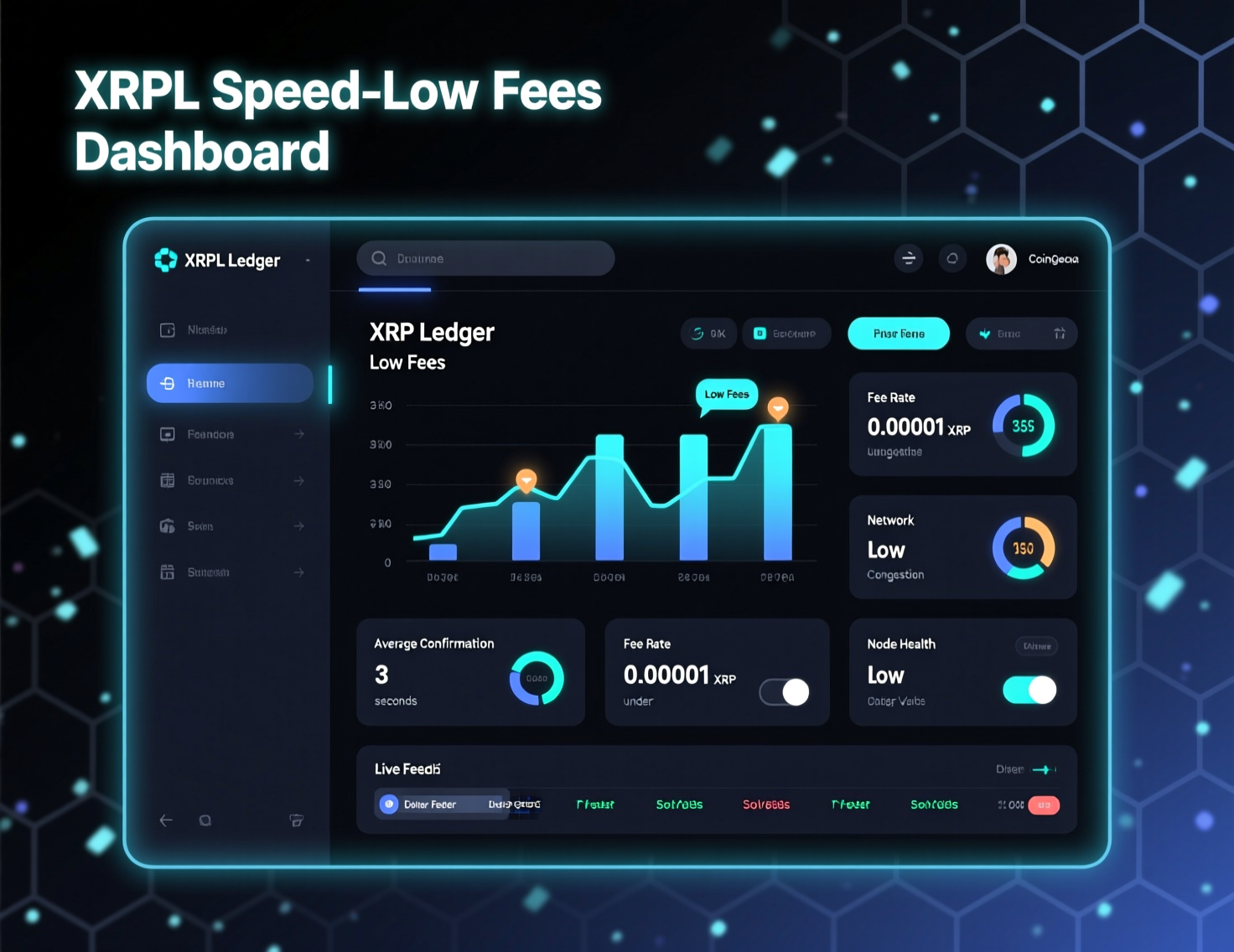

Why XRP matters: 5 key factors driving its value beyond price
XRP’s significance in global value transfer now extends far beyond mere speculation. It’s increasingly being used for faster cross-border remittances, loyalty reward programs, and enterprise settlement solutions. These real-world use cases highlight its growing role in improving financial efficiency and connectivity across industries.
Today, what makes XRP truly matter is not just its market price but the ecosystem built around it. Expanding adoption, deeper integrations with payment networks, and enhanced legal clarity are driving its long-term relevance. As institutions and developers continue to explore its potential, XRP is steadily evolving into a key bridge for seamless, low-cost global transactions.
Cross-border payments: infrastructure, not hype
XRP acts as a bridge asset to reduce pre-funding, speed settlement, and lower costsparticularly in Asia and emerging markets. Ripple’s network has powered remittance corridors via partners such as Tranglo in Southeast Asia and Pyypl in the Middle East/Africa, while Brazil has seen crypto-enabled cross-border services through Travelex Bank. Compared with multi-day correspondent flows, XRPL’s ~seconds-level finality and low fees are compelling for SMEs and migrant worker remittances. Tranglo+2Business Wire+2
Loyalty & travel programs: from wallets to real-world perks
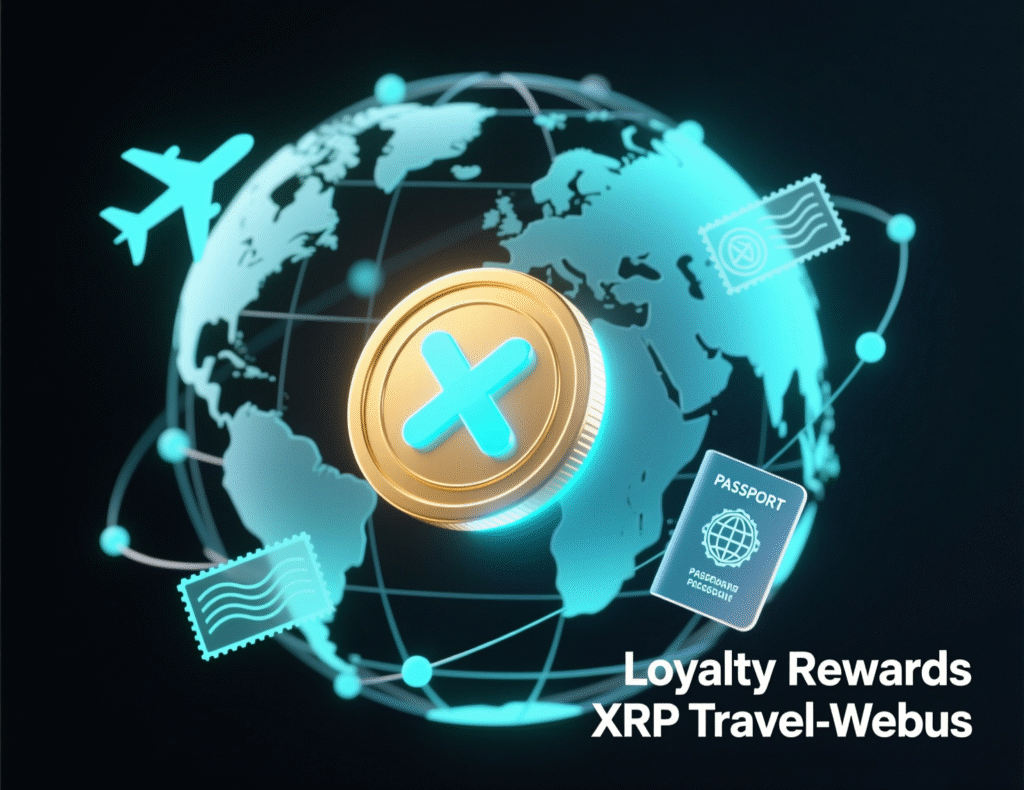
Webus/Wetour has announced plans for a dedicated $300 million XRP reserve to support blockchain travel vouchers, loyalty and settlement an example of XRP moving into everyday services (e.g., airport transfers, premium rides, travel experiences). These initiatives extend XRP’s footprint beyond trading into consumer touchpoints and rewards ecosystems.
Institutional interest and treasury signaling
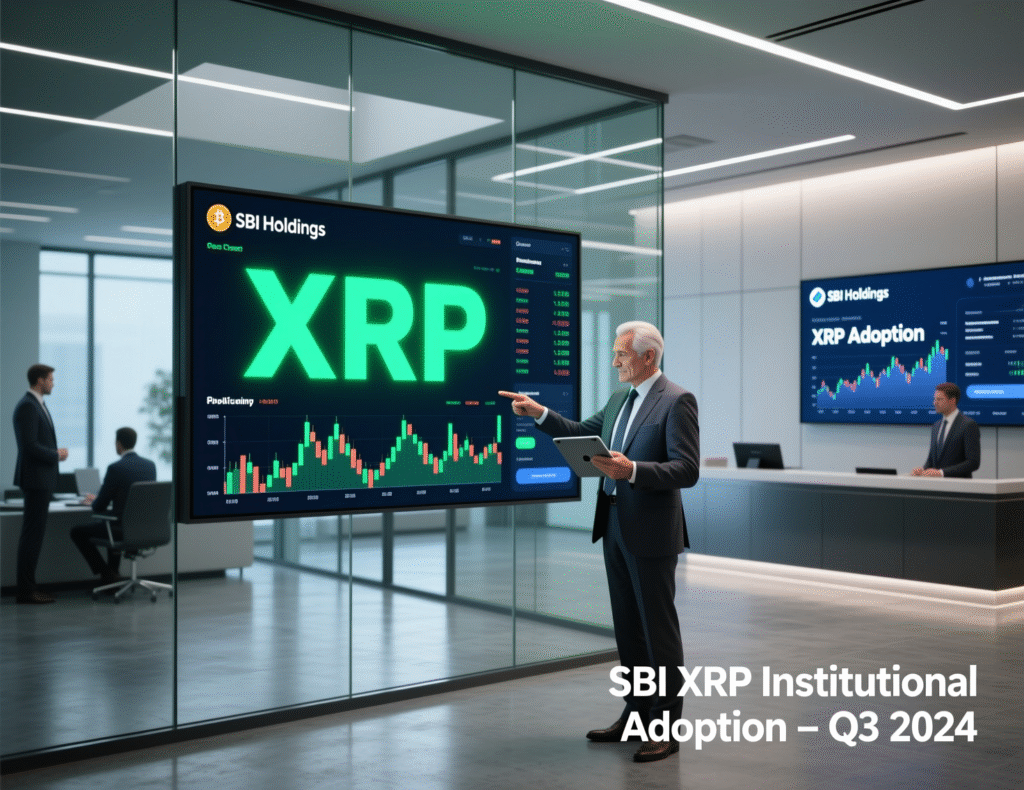
Japan’s SBI ecosystem remains one of the most visible institutional anchors around Ripple/XRP, with public reporting placing SBI’s XRP/Ripple exposure near ¥1.6 trillion (~$10bn) a figure highlighted by activist investors and industry press. Such positioning, alongside banks that have tested RippleNet for cross-border efficiency, underlines growing confidence in XRP-powered infrastructure.
Technology & upgrades on XRPL
The XRP Ledger settles in seconds with tiny fees, and it has added native NFTs (XLS-20) while exploring proposals like XLS-70/80 for enterprise-grade features. Together with ecosystem projects (e.g., tokenization platforms), these upgrades broaden use cases from payments to assets and credentials—without energy-intensive mining. (General XRPL capability claims align with public Ripple/XRPL documentation and explorer data.)
Why xrp matters: legal clarity and network effects
The long-running U.S. case ended in August 2025: appeals were dropped and a $125m penalty stood, while secondary-market sales of XRP were found not to be securities—providing long-sought certainty for U.S. exchanges and users. On-chain activity continues to expand; XRPSCAN lists ~7.08 million XRPL accounts, supporting claims of a broadening base. Clearer rules plus more corridors = compounding network effects.
<section id=”howto”> <h3>How to use XRP for cheaper, faster remittances</h3> <ol> <li id=”step1″><strong>Step 1:</strong> Compare providers that support XRP-based payouts (check fees, FX, delivery time).</li> <li id=”step2″><strong>Step 2:</strong> Complete KYC with your chosen app or MTO and add a funding method.</li> <li id=”step3″><strong>Step 3:</strong> Enter recipient details and destination currency; confirm the quoted rate.</li> <li id=”step4″><strong>Step 4:</strong> Select the XRP-powered route (if offered) for instant or near-instant settlement.</li> <li id=”step5″><strong>Step 5:</strong> Track delivery and share the receipt/transaction hash with the recipient if needed.</li> </ol> <p><em>Note: Process may vary by provider and jurisdiction. Confirm requirements and compliance before sending.</em></p> </section>
Context & Analysis
XRP’s competitive set has shifted. Stablecoins (e.g., USDC) and bank-led rails now dominate large on-chain settlement volumes, and CBDC pilots are proliferating. XRP’s path forward will likely depend on deepening utility at the edge remittances, embedded loyalty, SME treasury where speed and cost matter most, while institutions seek compliant, liquid rails. (This section is labeled analysis.)
Conclusion
With legal uncertainties largely resolved, XRP is steadily moving into a more practical role in payments. Active corridors are now established, and pilot programs for consumer payments and loyalty rewards are beginning to take shape. These developments position XRP as a reliable backbone for faster, more efficient transactions.
The real test ahead is turning these integrations into consistent, everyday usage at scale. Success will depend on adoption in corridors where speed and cost matter most—places where transactions need to settle in seconds and fractions of a cent. XRP’s future hinges on becoming an essential part of routine payment flows.
FAQs
Q : What does the SEC outcome mean for XRP holders?
A : The August 2025 conclusion left a $125 million penalty in place and confirmed that exchange sales aren’t securities, bringing greater regulatory clarity in the U.S.
Q : How fast are XRP transactions?
A : Transactions typically settle within a few seconds and cost only fractions of a cent, making XRP ideal for remittances and micro-payments.
Q : Which regions are using XRP for remittances today?
A : Active payment corridors include Southeast Asia, the Middle East/Africa, and Brazil through partners like Tranglo, Pyypl, and Travelex Bank.
Q : Is XRP being used in loyalty or travel?
A : Yes Webus/Wetour announced a $300 million XRP reserve to power travel vouchers and payment systems.
Q : Are institutions involved with XRP?
A : Japan’s SBI holds significant exposure to Ripple and XRP, while several banks have tested RippleNet for improving cross-border payment efficiency.
Q : How many XRPL accounts exist?
A : According to XRPSCAN, there are about 7.08 million accounts as of October 2025.
Q : Does this explain why XRP matters beyond price?
A : Yes its growing utility in remittances, loyalty integration, institutional adoption, strong technology, and legal clarity all reinforce its real-world importance.