
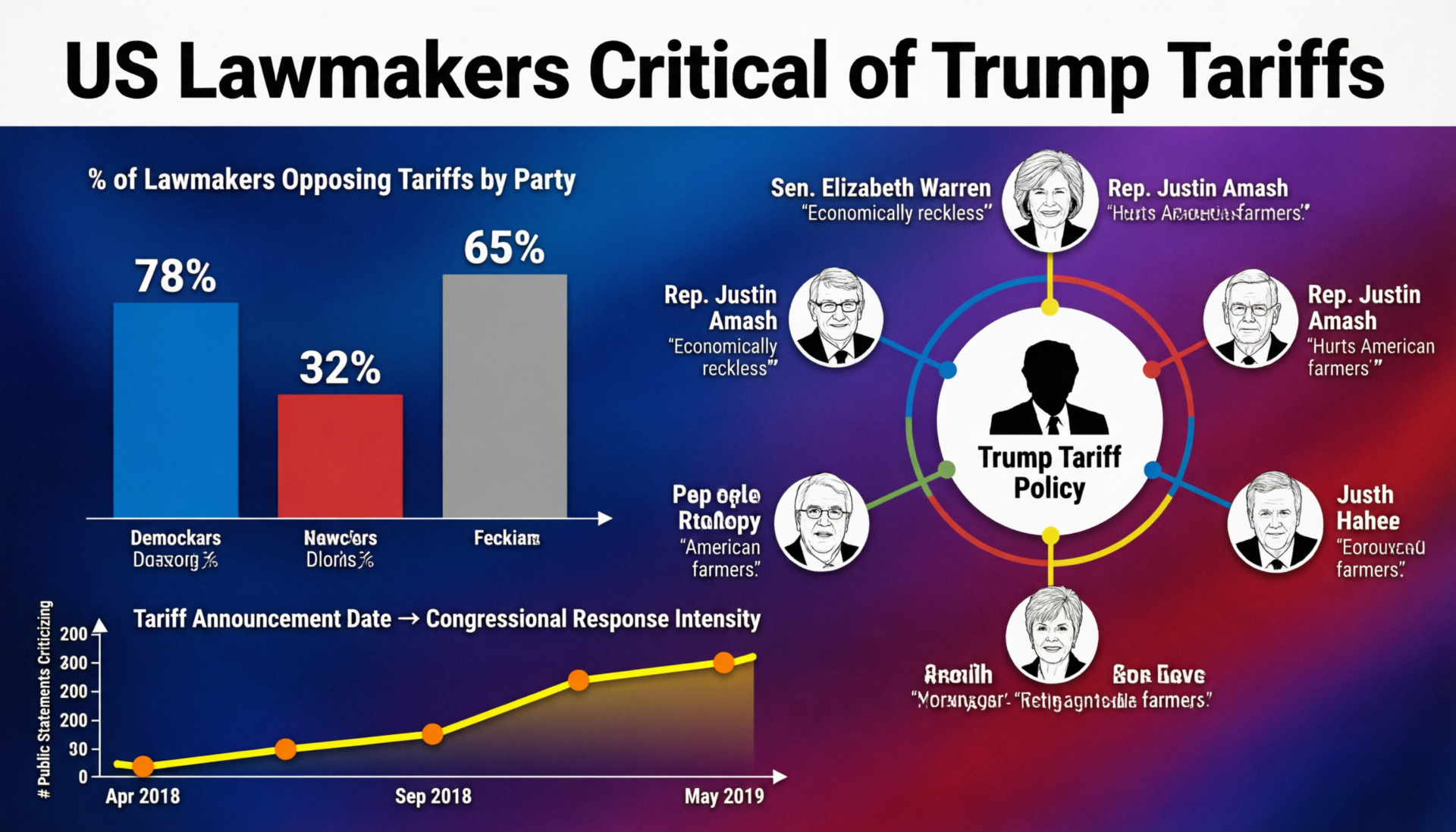

US lawmakers warn Trump tariffs could raise costs and hit growth
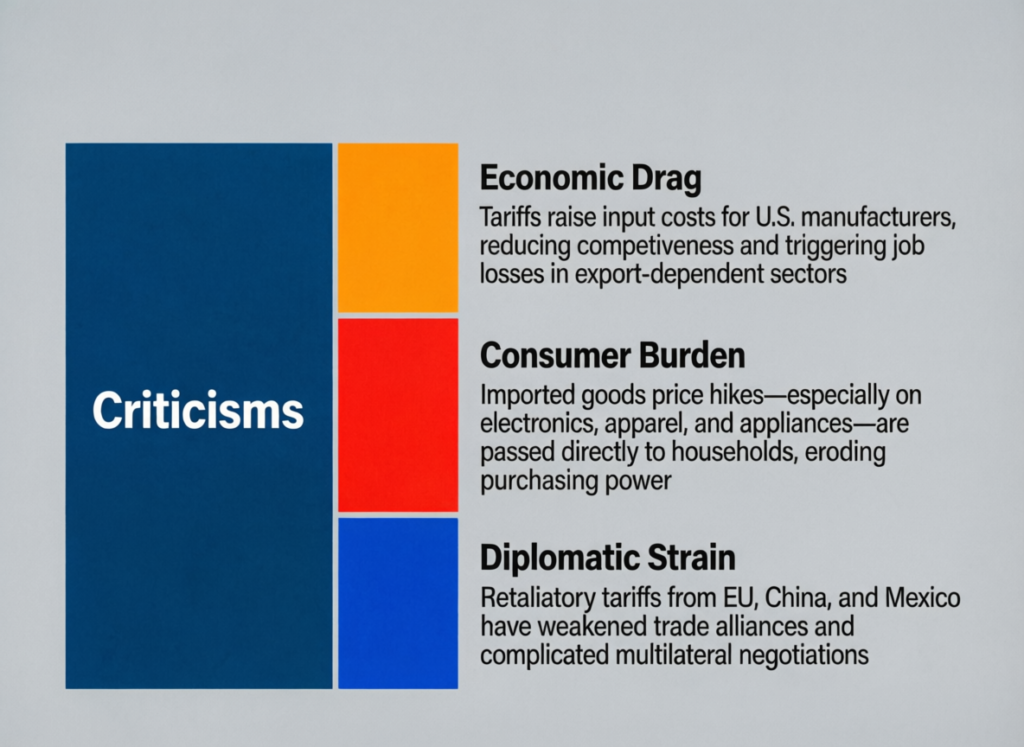
US lawmakers critical of President Donald Trump are warning that his latest tariff announcements could push up costs for American consumers and businesses. They argue that higher import duties tend to raise prices on everyday goods, add pressure to inflation, and increase operating costs for companies. Critics say these effects could slow economic activity, disrupt supply chains, and discourage investment at a time when growth already faces multiple challenges.
The concerns have intensified following a recent ruling by the US Supreme Court, which narrowed the use of emergency powers that had previously been cited to justify parts of the tariff agenda. Lawmakers say the decision raises legal and policy questions around future duties. They warn that without clearer authority or a revised approach, the tariffs could undermine economic growth and weaken consumer and market confidence.
What lawmakers and policy voices are saying
Sen. Rand Paul said the Trump tariffs amount to a tax increase on “working families and small businesses,” calling them a net negative for the economy. Rep. Ro Khanna said the tariffs “weren’t about security” and characterized them as a tax to fund a trade war.
Scott Lincicome, vice president at the Cato Institute’s Herbert A. Stiefel Center for Trade Policy Studies, warned that even without IEEPA, other statutes and administration signals could keep tariffs elevated, potentially damaging the economy and foreign relations.
US lawmakers critical of Trump tariffs after Supreme Court limits IEEPA
The Supreme Court held that the International Emergency Economic Powers Act (IEEPA) does not authorize the president to impose tariffs, reinforcing that tariff and duty powers sit with Congress under the Constitution’s taxing authority.
Following the ruling, Trump said he would pursue tariffs using other legal tools, including trade and national-security statutes, according to reporting and statements cited by Cointelegraph.
US lawmakers critical of Trump tariffs as White House cites other statutes
In remarks cited by Cointelegraph, Trump said, “Effective immediately” certain national security tariffs and existing Section 301 tariffs would remain in effect, and that he would sign an order to impose a “10% global tariff” on top of existing rates.
Separately, Reuters reported that after the court ruling Trump said the global tariff rate would rise from 10% to 15% under Section 122 an authority that permits temporary tariffs for up to 150 days unless extended by Congress highlighting how the policy could continue shifting through legal channels.
Markets reaction: crypto steadier than prior tariff shocks
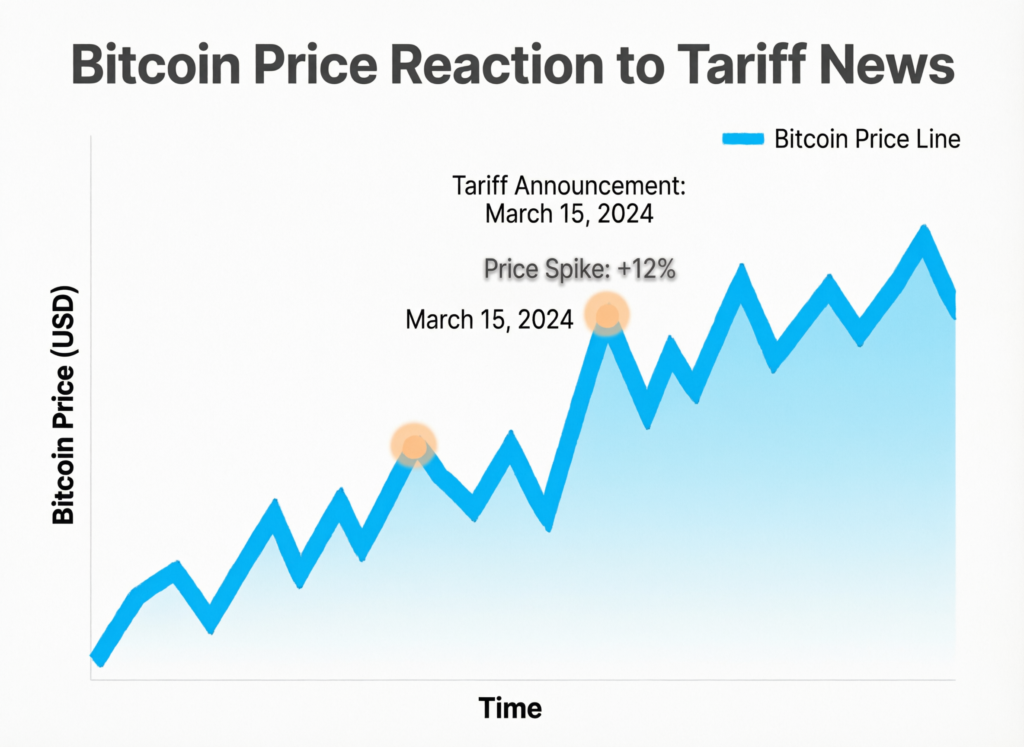
Cointelegraph reported that earlier tariff headlines tended to pressure crypto and other risk-on assets, but that Bitcoin rose about 3% after the latest announcement and a broad altcoin market-cap gauge (Total3 excluding Bitcoin and Ether) “barely moved.”
Context & Analysis
Tariffs are typically paid at the border by importers and can be passed through partly or fully into consumer prices or absorbed via lower margins, depending on supply chains and competition. The current episode also adds a layer of legal uncertainty: the Supreme Court’s IEEPA ruling curtails one route for tariffs, while other statutes may allow temporary or sector-specific duties that could still change quickly.
Concluding Remarks
Critics in Congress and policy circles say the latest tariff push risks raising costs for households and businesses and undermining economic stability, while the Supreme Court’s ruling and subsequent attempts to rely on other statutes sets the stage for continued legal and political fights over how far the executive branch can go on trade policy.
FAQs
Facts
Event
Lawmakers and policy voices criticize Trump’s tariffs after SCOTUS limits IEEPA-based tariff authority; Trump announces new global tariff measures.Date/Time
2026-02-22T00:21:59+05:00Entities
Donald Trump (US President); Rand Paul (US Senator); Ro Khanna (US Representative); US Supreme Court (SCOTUS); Cato Institute (Herbert A. Stiefel Center for Trade Policy Studies); Adam Cochran (attorney, per Cointelegraph)Figures
10% global tariff (announced, per Cointelegraph); 150 days (Section 122 time limit, per Reuters reporting and commentary); Bitcoin +~3% (post-announcement, per Cointelegraph).Quotes
“Those tariffs weren’t about security they were a tax on families and small businesses to bankroll a reckless trade war,” Rep. Ro Khanna.
“Even without IEEPA, other US laws … ensure that much higher tariffs will remain the norm…,” Scott Lincicome, Cato Institute.
“Today, I will sign an order to impose a 10% global tariff,” Donald Trump (as cited by Cointelegraph).
Sources:
Cointelegraph article; Supreme Court opinion PDF; Reuters report.