
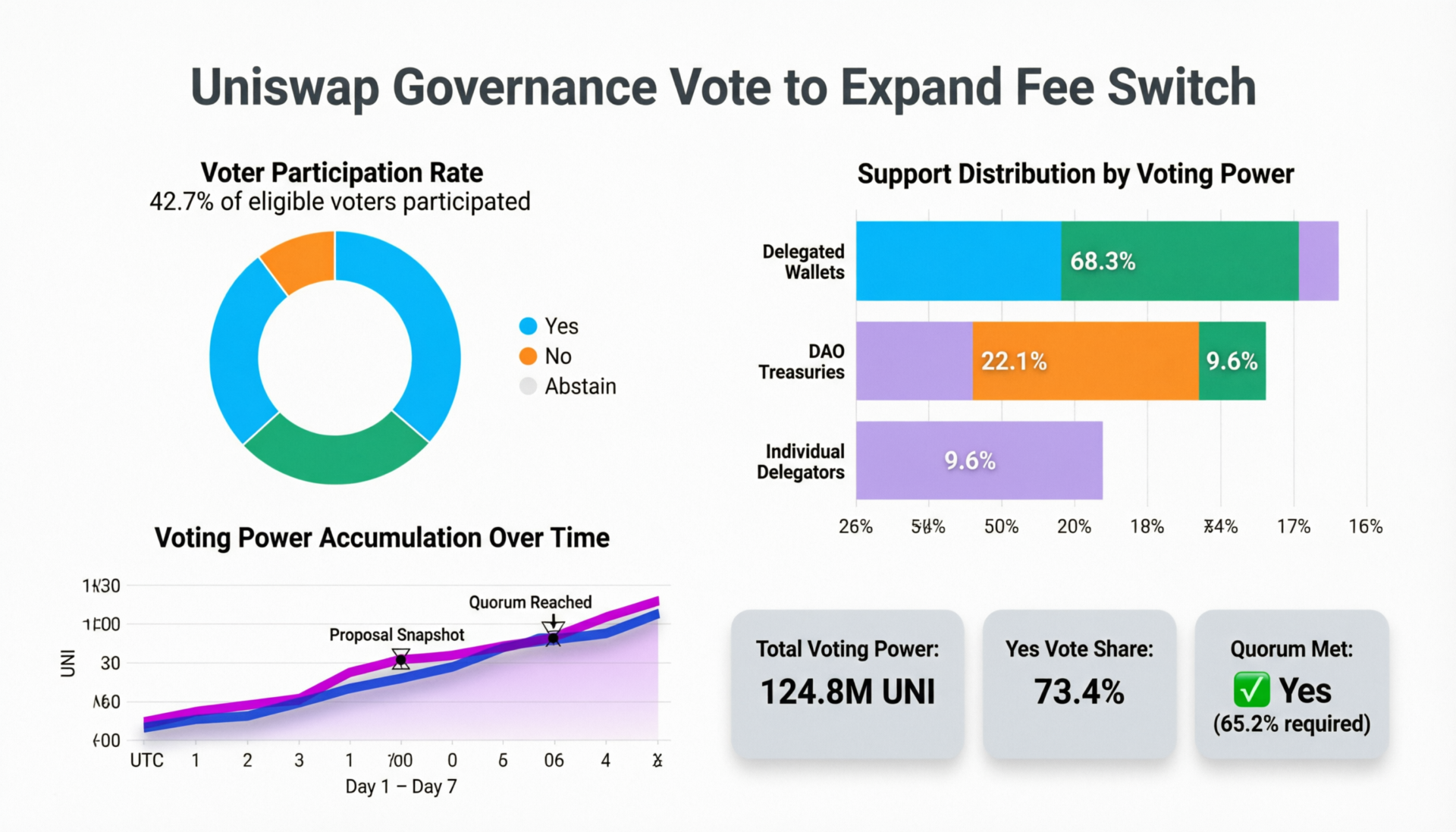

UNI rises as Uniswap governance vote to expand fee switch moves to on-chain approval
Uniswap’s token UNI rose strongly as a Uniswap governance vote to expand fee switch progressed around a proposal that would broaden protocol fee capture to additional networks and make fee collection more automatic across v3 pools. The move comes as Uniswap governance tests its newer fee-focused process under “UNIfication.”
What the proposal changes
Expanding protocol fees to eight additional chains
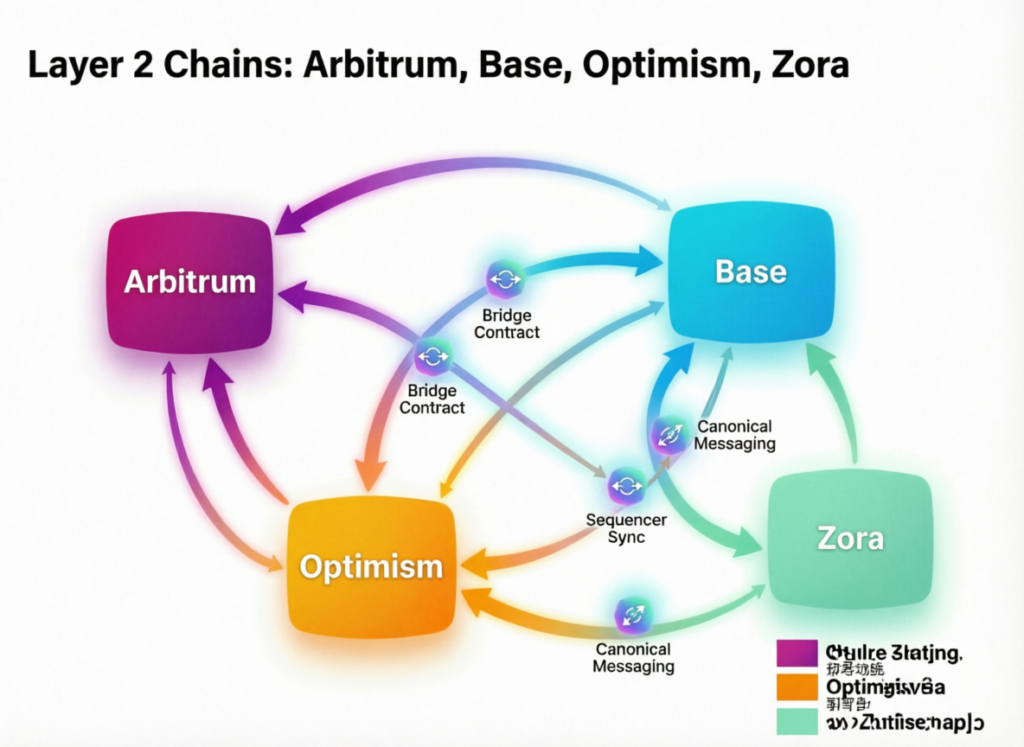
A Snapshot governance proposal would activate protocol fees on Arbitrum, Base, Celo, OP Mainnet, Soneium, X Layer, Worldchain, and Zora, extending fee capture beyond Ethereum mainnet and remaining v3 pools.
Tier-based defaults for v3 protocol fees
The governance forum notes that the current approach is operationally heavy—protocol fees have been managed pool by pool. The proposed shift uses a tier-based adapter so protocol fees can be applied based on a pool’s LP fee tier, reducing the need for repeated governance actions.
Why the Uniswap governance vote to expand fee switch matters for UNI
Linking protocol usage to burns
Under the UNIfication framing, protocol fee revenue is designed to be routed into mechanisms that support UNI burn (and related token-economic value accrual), tying UNI more directly to aggregate protocol activity.
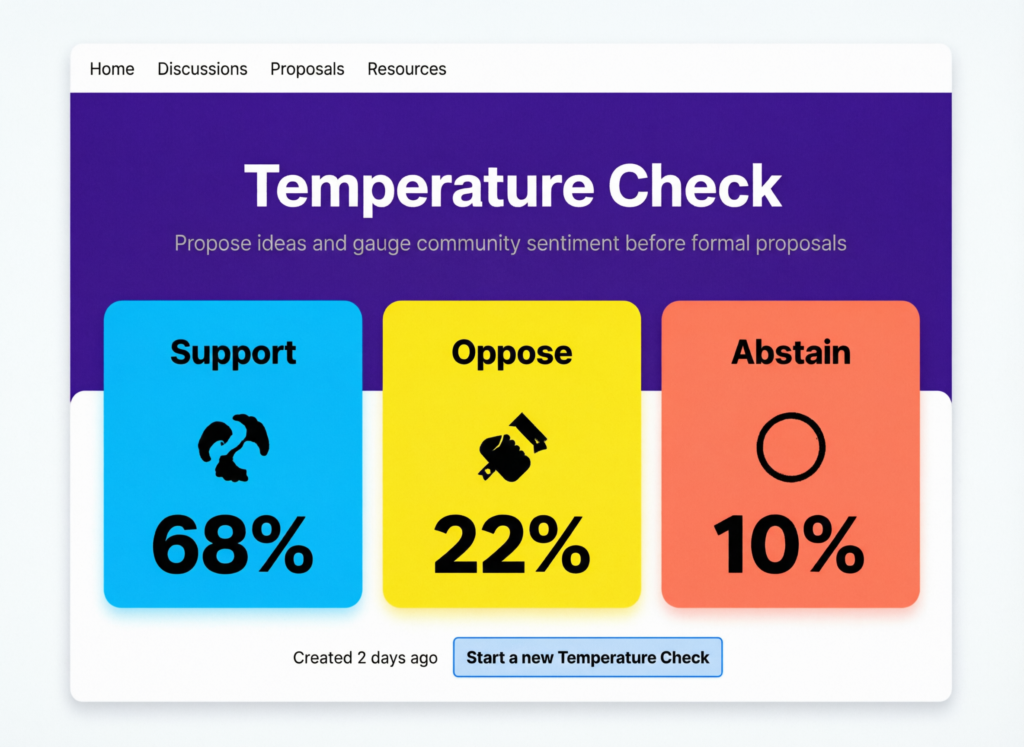
A trade-off: revenue capture vs. liquidity competitiveness
If protocol fees rise or become more broadly applied, liquidity providers and market makers may reassess capital allocation especially on L2s where venue switching costs can be lower. The proposal’s supporters argue automation and consistency improve execution; critics typically watch for any impact on routing and depth. (This is a market-structure consideration rather than a confirmed outcome.)
Context & Analysis
Uniswap’s governance shift is happening alongside broader protocol efforts to streamline fee-related changes via UNIfication, allowing certain fee parameter proposals to move faster than traditional governance flows. That framework is intended to reduce friction for fee updates while keeping final enforcement on-chain.
Separately, DeFiLlama’s Uniswap dashboard shows material fee volumes and nonzero “revenue/holders revenue” metrics, which proponents cite as evidence that value capture has become measurable compared with earlier eras.
Wrapping It Up
If passed and executed, the proposal would expand Uniswap’s protocol fee capture across major L2s and standardize v3 fee activation using tier-based defaults, reinforcing UNI’s linkage to cross-chain protocol activity while leaving open the key question of whether higher capture meaningfully shifts liquidity behavior on competitive networks.
FAQs
Q : What is the Uniswap governance vote to expand fee switch?
A : It’s a governance process considering activating protocol fee capture across eight additional chains and extending a tier-based default fee mechanism for v3 pools.
Q : Which chains are included in the proposed expansion?
A : Arbitrum, Base, Celo, OP Mainnet, Soneium, X Layer, Worldchain, and Zora.
Q : What changes for Uniswap v3 pools under the proposal?
A : A tier-based adapter would apply protocol fee settings based on LP fee tiers, reducing the need for governance to toggle fees pool by pool.
Q : Where would protocol fees collected on L2s go?
A : Descriptions indicate revenue collected on L2s would be bridged to Ethereum mainnet to support automated UNI purchase/burn flows.
Q : Why does automation matter for fee collection?
A : Automation can reduce governance overhead and broaden capture across long-tail pools created after the change, assuming the default-on design is implemented as described.
Q : How can I verify whether the fee switch expansion is live?
A : Check the final on-chain vote/execution status in governance updates, then corroborate with independent dashboards showing changes in protocol “revenue/holders revenue” and fee metrics.
Q : Could higher protocol fee capture affect liquidity providers?
A : Potentially LP net returns depend on how protocol fees are configured and where they apply, which can influence liquidity allocation behavior across venues. (Market impact depends on execution and competition.)
Facts
Event
Governance proposal advances to expand Uniswap protocol fee capture and standardize v3 fee activation via tier-based defaultsDate/Time
2026-02-26T15:33:07+05:00Entities
Uniswap; UNI; Uniswap v3; Snapshot; Ethereum mainnet; Arbitrum; Base; Celo; OP Mainnet; Soneium; X Layer; Worldchain; ZoraKey mechanism
Tier-based adapter design and multi-chain fee routing back to Ethereum for UNI burn flowsOn-dashboard metrics (context)
DeFiLlama lists Uniswap fees/revenue metrics and chain breakdowns (values vary over time).Sources
CryptoBriefing; Uniswap Governance Forum; Uniswap Blog; DeFiLlama