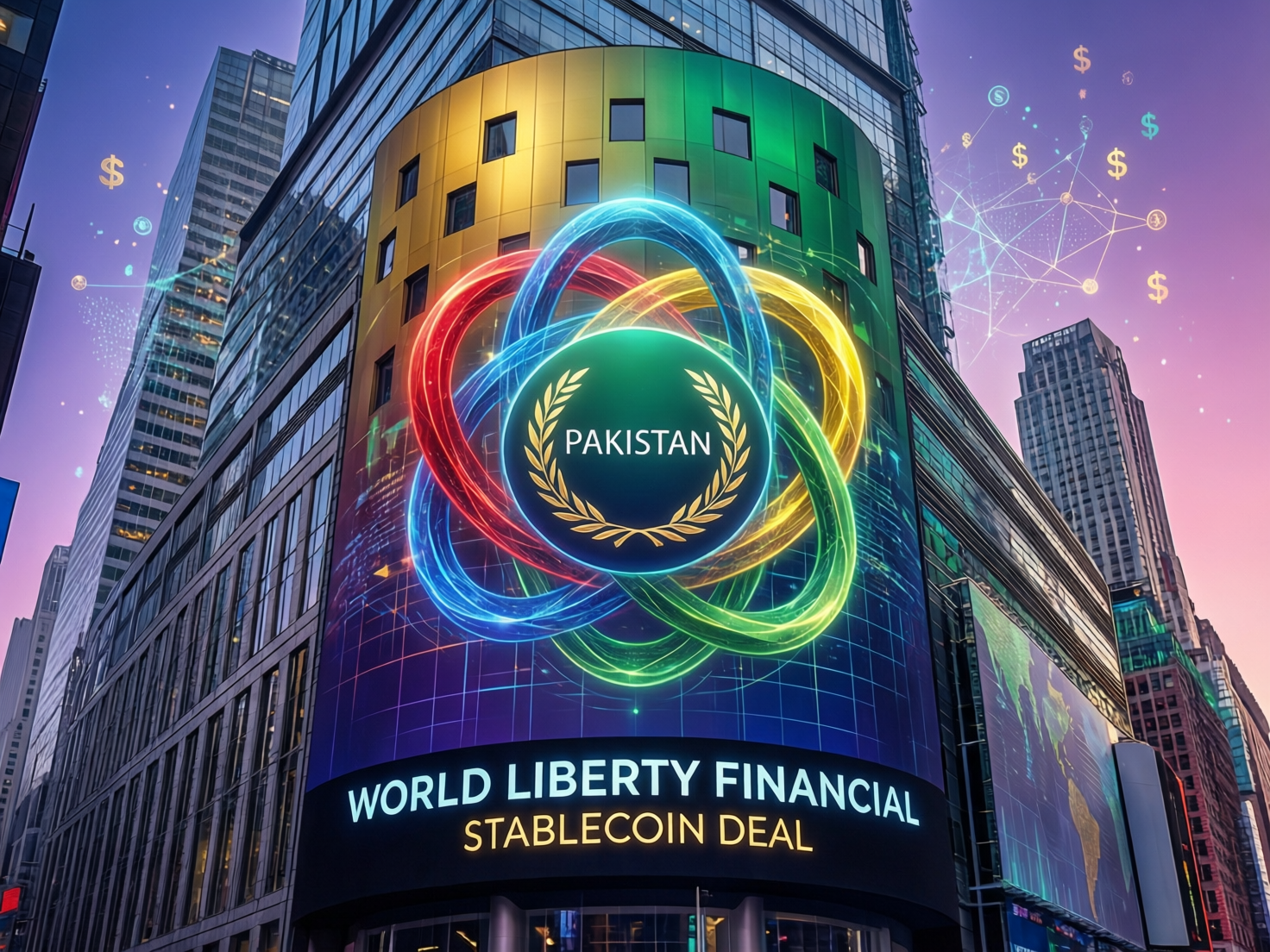

Pakistan World Liberty Financial stablecoin deal moves ahead with MoU
Pakistan has signed a Memorandum of Understanding (MoU) with SC Financial Technologies, which is described as an affiliate of World Liberty Financial, to explore the potential use of USD1, a dollar-pegged digital token, for cross-border payments. The initiative aims to study how stablecoins can improve transaction speed, reduce costs, and enhance transparency in international money transfers. However, the agreement reflects an exploratory partnership rather than an immediate commitment to adopt the token at a national level.
This development comes as Pakistan continues to modernize its financial system by advancing a central bank digital currency (CBDC) pilot and introducing formal regulations for virtual assets. Together, these steps signal the country’s broader strategy to embrace digital finance while maintaining regulatory oversight and financial stability in the evolving global payments landscape.
What the Pakistan World Liberty Financial stablecoin deal covers
Officials said the MoU enables structured dialogue and technical work around “emerging digital payment architectures,” including potential integration paths for USD1 with Pakistan’s regulated rails. Any operational use would depend on domestic licensing, risk controls, and central-bank oversight.
Timeline for the Pakistan World Liberty Financial stablecoin deal
Jan. 14, 2026
Pakistan announces MoU with SC Financial Technologies; Witkoff in Islamabad for talks.
2025 (context)
Pakistan prepares a CBDC pilot and drafts a virtual-assets framework, establishing an independent regulator.
Jan. 7, 2026 (context)
World Liberty says it has applied to the U.S. OCC for a national trust-bank charter to support USD1 operations.
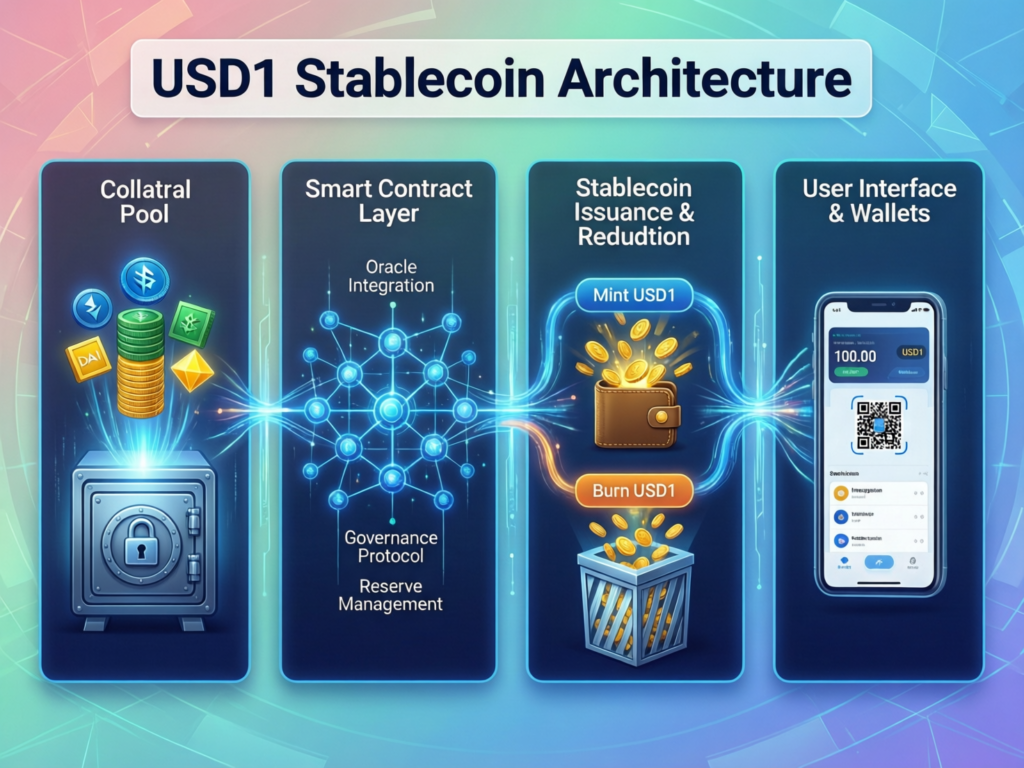
How USD1 fits into Pakistan’s digital-finance plans
USD1 is a fully backed, dollar-redeemable stablecoin offered by World Liberty Financial and partners. If ever permitted in Pakistan, it would need to interoperate with KYC/AML regimes and any CBDC pilot guardrails, with conversion pathways and oversight defined by regulators.
Governance and safeguards under Pakistan’s virtual-asset regime
Pakistan’s Virtual Assets Ordinance (2025) establishes a dedicated regulator (PVARA) for licensing and supervision of virtual-asset activities. Any stablecoin integration would occur within this framework and in coordination with the State Bank of Pakistan’s CBDC pilot.
Analysis
Industry-government MoUs often serve as low-commitment paths to test policy and technical fit. Given Pakistan’s remittance volumes and FX management needs, a tightly supervised, dollar-linked instrument could be piloted for specific corridors provided issuer transparency, redemption liquidity, and local FX controls align. World Liberty’s parallel push for a U.S. trust-bank charter, if granted, may strengthen USD1’s regulatory positioning, but Pakistan’s authorities will still require local compliance, risk testing, and interoperability with CBDC rails before any scaled use.
Final Thoughts
The Memorandum of Understanding represents an initial exploratory move rather than a formal decision to adopt the technology. It allows stakeholders to assess potential opportunities, risks, and practical implications before any long-term commitments are made. The focus at this stage is on research, consultation, and understanding how such a system could fit within the country’s financial environment.
Future milestones may include regulatory scoping, approval-based technical pilot projects, and closer coordination with Pakistan’s upcoming central bank digital currency framework. The initiative will also align with the planned virtual-asset licensing regime, ensuring compliance, transparency, and regulatory clarity as digital finance initiatives continue to evolve.
FAQs
Q : What is being announced today?
A : An MoU has been signed between Pakistan and SC Financial Technologies to explore possible use cases of the USD1 stablecoin. No rollout or adoption has been approved at this stage.
Q : Who is SC Financial Technologies?
A : It is an affiliate connected to World Liberty Financial, the company behind the USD1 stablecoin.
Q : Does this mean Pakistan will adopt USD1?
A : No. The MoU only allows dialogue and technical evaluation under regulatory supervision. Any adoption would require formal approvals.
Q : How does this relate to Pakistan’s CBDC plans?
A : Any future development would need to align with the State Bank of Pakistan’s CBDC pilot and local virtual-asset licensing framework.
Q : What is USD1?
A : USD1 is a dollar-redeemable stablecoin offered by World Liberty Financial and its partners.
Q : Is there banking-grade oversight for USD1?
A : World Liberty claims it has applied for a U.S. trust-bank charter, but regulators have not yet announced a decision.
Q : Where is the Pakistan World Liberty Financial stablecoin deal referenced in official materials?
A : It is mentioned in Reuters’ exclusive reporting and Pakistan’s virtual-asset regulatory resources.
Facts
Event
Pakistan signs MoU with SC Financial Technologies (World Liberty affiliate) to explore USD1 stablecoin for cross-border payments.Date/Time
2026-01-14T12:58:00+05:00Entities
Government of Pakistan; Pakistan Virtual Assets Regulatory Authority (PVARA); State Bank of Pakistan (SBP); World Liberty Financial (USD1); SC Financial Technologies; Zach Witkoff.Figures
USD1 described as dollar-redeemable; trust-bank application announced Jan. 7, 2026.Quotes
(No direct quotes provided in the public materials cited.)Sources
Reuters exclusive (reuters.com/business/finance/…); PVARA (pvara.gov.pk); WLF USD1 page (worldlibertyfinancial.com/usd1); Reuters trust-bank story (reuters.com/legal/transactional/…).