
Japan’s PM says she has “absolutely no knowledge” of SANAE TOKEN on Solana
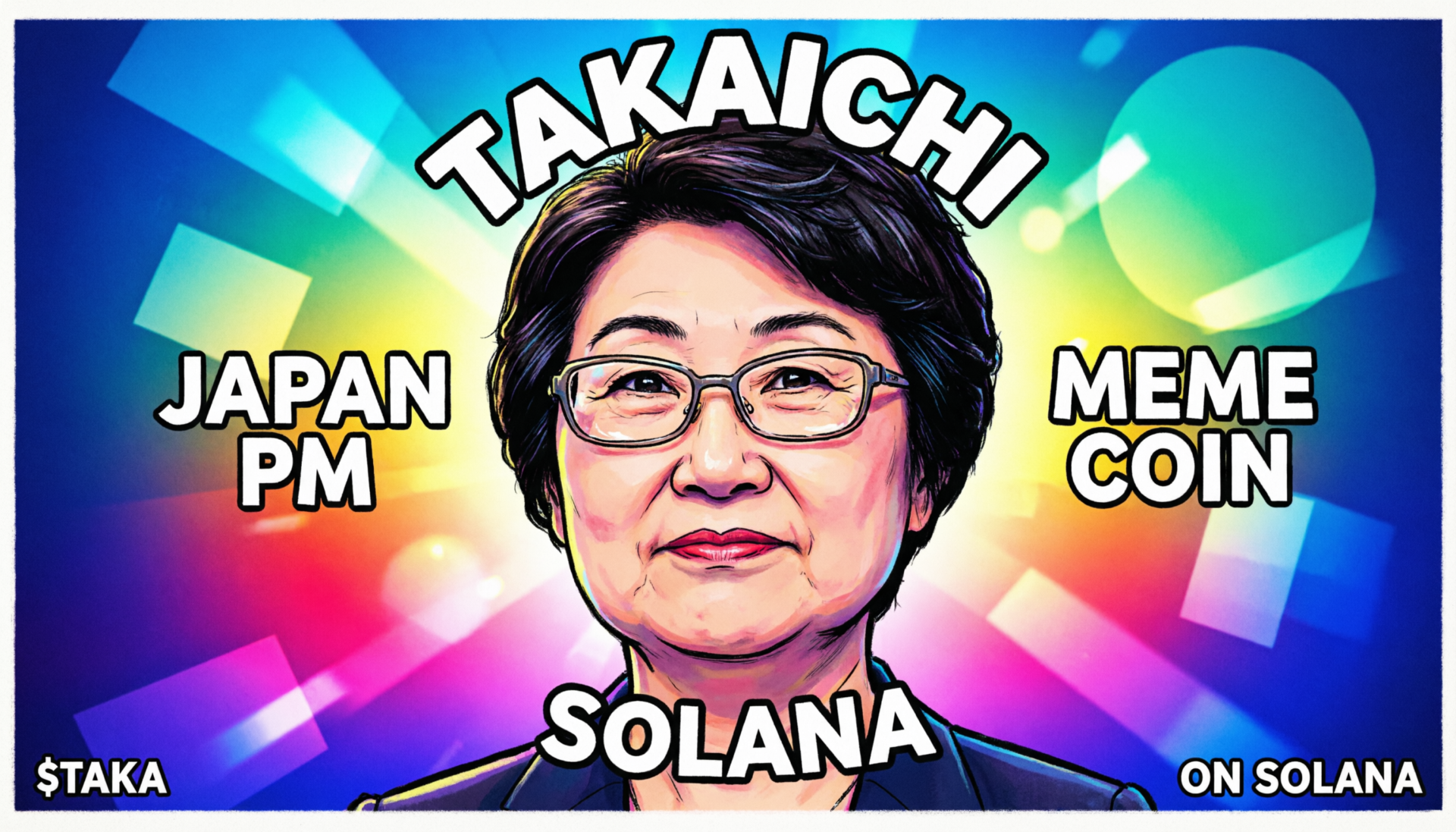
Sanae Takaichi stated that she has “absolutely no knowledge” of a Solana-based cryptocurrency called “SANAE TOKEN,” which used her name without any authorization. She clarified that she has no involvement in the project and has never supported or promoted the token in any form, distancing herself completely from the meme coin.
The token initially surged in popularity, pushing its market capitalization to around $27.72 million within a short period. However, the rally was short-lived, and the market value later dropped sharply to roughly $6 million. The episode highlights the volatility of meme coins and the risks associated with tokens driven by speculation and misleading branding.
What Takaichi said on X
In her statement, Takaichi said she had heard the token was being issued and traded, but emphasized that any perceived connection was a misunderstanding stemming from the name. She added that her office had not been informed about what the token is and had provided no approval in relation to it.
Market move and on-chain concentration signals
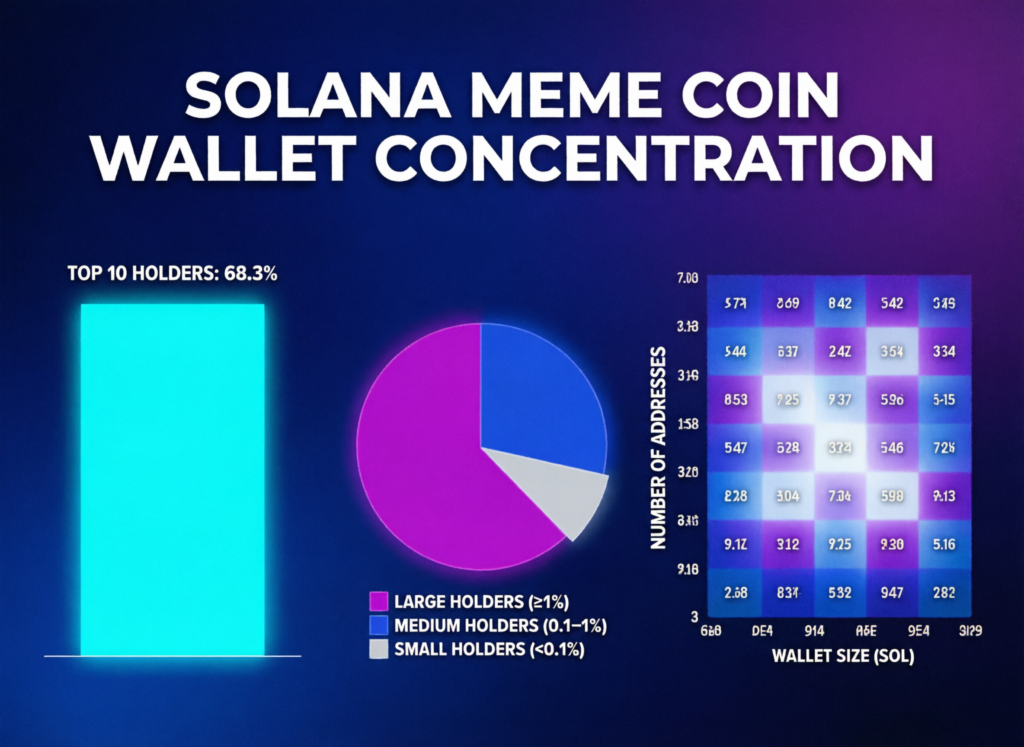
Reporting on the token’s on-chain activity said SANAE TOKEN peaked near a $30 million market cap before falling to about $6 million, a decline of roughly three-quarters. The same reporting cited supply concentration concerns, noting that the top three addresses controlled about 60% of the supply, alongside notable inflows into leading wallets.
Japan prime minister Sanae Takaichi Solana meme coin: Why political-name tokens keep causing confusion
Tokens that reference public figures can spread quickly on social media, especially when branding implies endorsement. That dynamic can be amplified when wallet ownership is concentrated, because a small number of holders may be able to move markets rapidly—fueling volatility and public misinterpretation.
Some observers have compared the SANAE TOKEN episode to earlier memecoin flare-ups tied to political figures, where perceived backing became politically sensitive.
Japan prime minister Sanae Takaichi Solana meme coin: What the wallet data is (and isn’t)
On-chain snapshots can highlight concentration and flows, but they don’t, by themselves, identify who controls wallets or prove coordination. Still, heavy concentration can be a risk signal for retail traders because large holders can meaningfully affect price and liquidity.
Context & Analysis
Takaichi said she issued her statement to prevent the public from being misled—an attempt to limit reputational and consumer-harm fallout that can follow viral tokens using a public figure’s name.
Concluding Remarks
The prime minister’s denial puts distance between Japan’s top political office and a fast-moving Solana meme token that experienced a rapid run-up and steep drop. Attention is likely to remain on whether platforms, influencers, and issuers more clearly distinguish parody/unauthorized branding from genuine endorsements, and on how traders assess concentration and liquidity risks in similar tokens.
FAQs
Q : What did Sanae Takaichi say about SANAE TOKEN?
A : Sanae Takaichi said on X that she has “absolutely no knowledge” of SANAE TOKEN, adding that neither she nor her office approved it or were informed about its launch.
Q: How big did SANAE TOKEN get before it fell?
A : Reports said the Solana-based meme coin surged to around a $27.72 million (roughly $30 million) market capitalization before sliding sharply to about $6 million.
Q : Why are people talking about wallet concentration?
A : On-chain data showed that the top three wallets held roughly 60% of the total supply, raising concerns that a small number of holders could easily influence the token’s price.
Q : Is this the first time a political-figure memecoin has caused controversy?
A : No. Reporting notes that several tokens linked accurately or not to political figures have previously triggered backlash, confusion, and debate in the crypto market.
Q : Does the denial mean the token is a scam?
A : Not necessarily. A denial does not prove illegality, but it does confirm the token is not endorsed by the named public figure, which is an important risk factor.
Q : Should I trust a token that uses a politician’s name without permission?
A : It should be treated as high risk. Traders are advised to verify official statements, confirm the contract address, and review wallet concentration and liquidity before acting.
Q : What is the Sanae Takaichi Solana meme coin situation in one sentence?
A : Confusion escalated after Sanae Takaichi publicly denied any knowledge or approval of SANAE TOKEN following its sharp price and market-cap drop.
Facts
Event
Prime Minister Sanae Takaichi denies any involvement in “SANAE TOKEN,” a Solana-based meme token using her name, after a rapid rise and steep decline in market cap.Date/Time
2026-03-03T00:00:00+05:00 (date reported; exact posting/trading timestamps vary by platform)Entities
Sanae Takaichi; SANAE TOKEN; SolanaFigures
Peak market cap ~$27.72m–~$30m; post-drop market cap ~ $6m; top 3 addresses ~60% of supply (reported)Quotes
“Absolutely no knowledge” Sanae Takaichi (X)Sources
CoinDesk report; The Independent report; Nippon.com report