

Institutional Investment in Crypto
Institutional investment in crypto has moved from cautious experiments to large, regulated allocations and a growing share of “on-chain” market infrastructure. Since the approval of U.S. spot Bitcoin ETFs in January 2024 and Ether ETFs in July 2024, institutions have obtained simpler, audited access to the asset class, catalyzing record investment-product inflows and deep derivatives liquidity. As a result, the conversation has shifted from “if” to “how” institutions should participate, and what operating model—ETF, custody, derivatives, or tokenization best fits their mandate. CME Group+3SEC+3Reuters+3
This article unpacks what’s changed in institutional investment in crypto across five vectors: products, regulation and accounting, market structure, tokenization, and risk/operations. We’ll also highlight practical steps for CIOs and risk committees building 2025–2026 roadmaps.
Why institutional adoption accelerated
Three catalysts stand out.
ETF access lowered the barrier.
The U.S. SEC approved multiple spot Bitcoin ETFs on Jan 10, 2024, followed by spot Ether ETFs launching July 23, 2024. These products created a familiar wrapper with 40-Act governance, independent custody, and daily transparency. Flagship funds like BlackRock’s IBIT quickly amassed tens of billions in AUM, with financial press tracking its approach to the $100B milestone in October 2025.
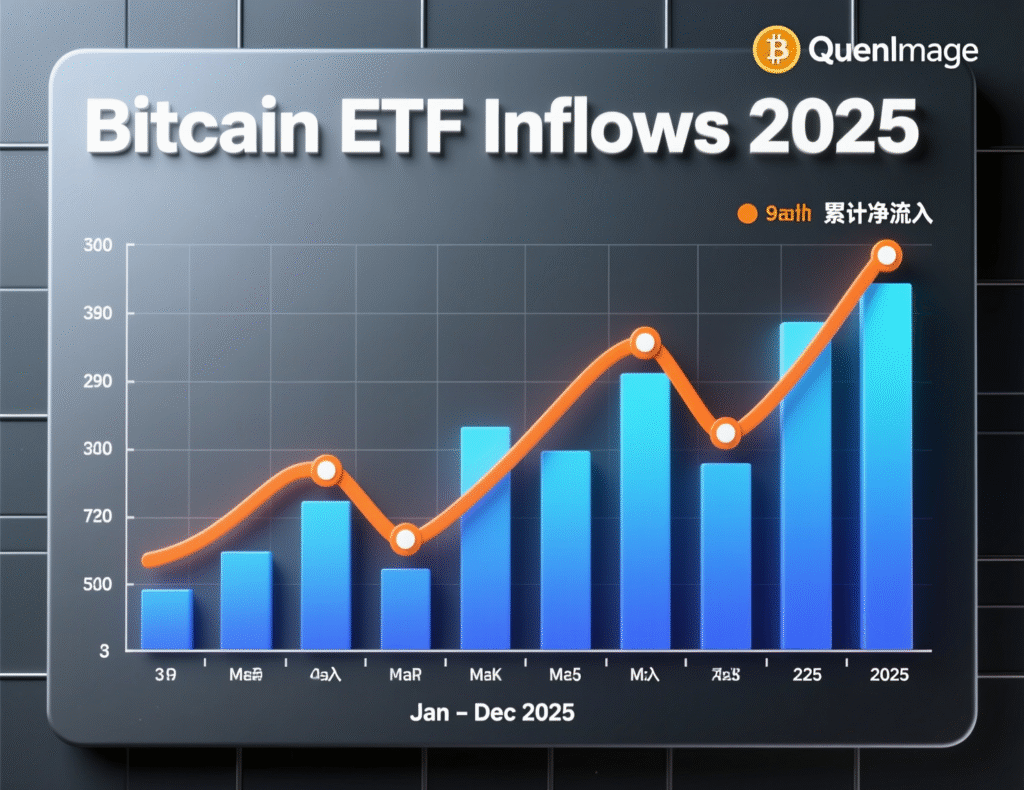
Flows and volumes hit records.
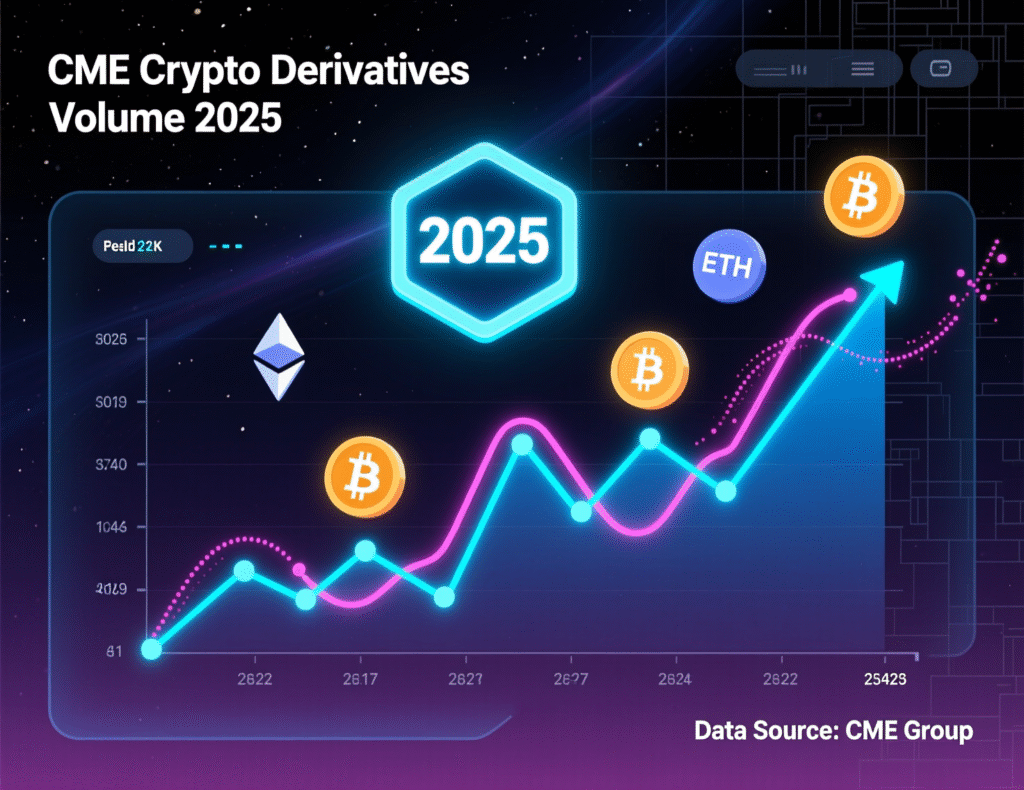
CoinShares reported record year-to-date inflows of $48.7B into digital asset investment products by Oct 13, 2025, while CME noted all-time-high crypto futures and options activity in Q3 2025 (over $900B quarterly notional, with record open interest). These are classic institutional venues with robust clearing and risk frameworks.
Clarity on rules and accounting.
In the U.S., FASB’s ASU 2023-08 moves crypto assets to fair-value accounting (effective FYs beginning after Dec 15, 2024 i.e., 2025) removing the depressing effects of impairment-only treatment and making board conversations far easier. In the EU, MiCA provisions for service providers are in application, with active ESMA guidance rolling out. For banks globally, the Basel Committee’s SCO60 crypto standard is targeted for Jan 1, 2026 implementation after revisions and industry feedback important context for bank-balance-sheet participation.
Bottom line.
The mix of ETF access, measurable flows, trad-fi market plumbing, and clearer accounting/regulation is redefining institutional investment in crypto.
Product landscape: from wrappers to rails
Institutions now deploy across four main channels. Each serves a different mandate, risk profile, and operations stack.
Exchange-Traded Products (ETPs/ETFs)
Use case
Strategic allocation, policy-bounded exposure (e.g., 1–5% of diversified portfolios).What changed
U.S. spot Bitcoin and Ether ETFs scaled quickly; flagship IBIT reports >$90B AUM and has been profiled nearing $100B. Liquidity, audited NAVs, and exchange settlement simplify governance.
Derivatives on regulated venues
Use case
Hedging, basis trades, cash-and-carry, duration management.What changed
CME’s crypto suite posted record futures/options volumes and open interest in Q3 2025, signaling robust institutional participation and improved price discovery.
Direct spot with qualified custodians
Use case
Treasury strategies, prime services, staking (where permitted), and collateral mobility in crypto-native markets.What changed
Fair-value accounting reduces P&L optics friction; operational standards (e.g., segregation, SOC reports) continue to mature.
Tokenization rails (RWAs and liabilities)
Use case
Intraday liquidity, collateral agility, programmable settlement.What changed
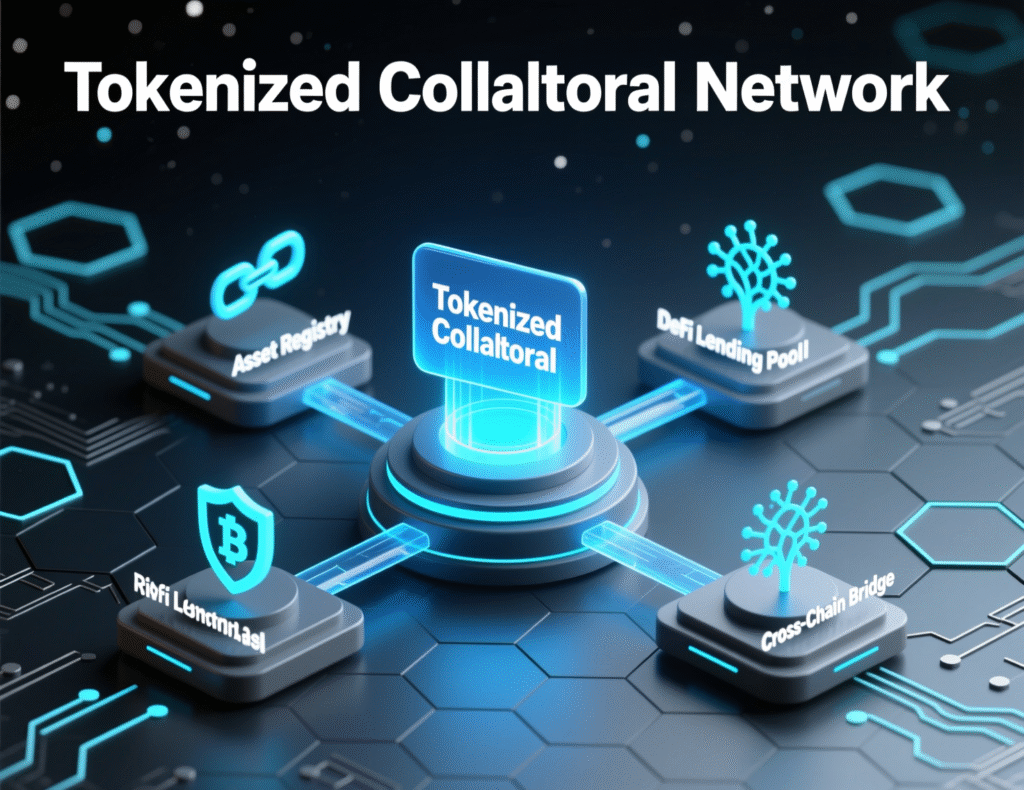
Concrete, public proofs e.g., J.P. Morgan’s Tokenized Collateral Network (TCN) enabling BlackRock MMF shares to be pledged to Barclays for a derivatives trade; HSBC launching Gold Token and expanding Orion digital bonds; Citi Token Services moving from pilot to commercial availability for institutional cash movements and trade.
Regulation & accounting: the 2025–2026 checkpoint
U.S. accounting
ASU 2023-08 (effective FY 2025) mandates fair value for eligible crypto assets, with changes in fair value recognized in net income and expanded disclosures key for auditors and audit committees.EU MiCA
Core provisions for crypto-asset service providers (CASPs) began applying Dec 30, 2024, with further Level-2/3 guidance rolling out through 2025 raising the bar on authorization, conduct, market abuse, and stablecoin rules.Basel SCO60
The Basel crypto prudential standard’s effective date has been guided toward Jan 1, 2026 after 2024 adjustments; industry groups continue to seek refinements to capital treatment for various crypto exposures. Expect national transposition differences to shape banks’ participation curves.
Implication
Institutional investment in crypto is increasingly policy-compatible, but you must map exposures (ETF vs. spot vs. tokenized) to jurisdiction-specific rules and internal capital/limit frameworks.
Market structure: liquidity, collateral, and counterparty risk
ETP/ETF liquidity now coexists with CME derivatives depth, enabling basis and risk-parity strategies with well-understood counterparty frameworks.
Collateral mobility is the sleeper theme. Tokenized MMF shares and Treasuries are beginning to serve as collateral both in traditional and crypto-native venues. The JPM TCN transaction (BlackRock → Barclays) proved the operational path; subsequent industry experiments (e.g., tokenized MMF initiatives by global custodians and asset managers) are proliferating.
Risk centralization vs. transparency: ETFs concentrate coins in qualified custodians while improving auditability for allocators. This trade-off is acceptable to many institutions because governance/audit beats self-custody risk for most mandates.
Tokenization: from pilots to production
Tokenization is not theoretical it’s operational in segmented, permissioned networks.
MMFs & Treasuries tokenization
Used for faster subscription/redemption and collateral. Reports and official releases document live operations by bulge-bracket banks and managers.HSBC Orion & Gold Token
Digital bonds issuance/recording and tokenized gold for investors (with pilots including quantum-secure tech).Citi Token Services
Commercial, balance-sheet-integrated tokenized cash for liquidity and automated trade settlement; Citi confirms live institutional transactions.
Why it matters
For treasurers and collateral managers, tokenization reduces settlement frictions and widens the clock (24/7 liquidity), a tangible edge vs. legacy cut-off times. That advantage feeds demand for institutional investment in crypto infrastructure even when the investment “exposure” is to traditional assets represented on chain.
Case studies (real-world)
Case 1 ETF Allocation for a Global Multi-Asset Fund
A $20B multi-asset manager implemented a 2% target via spot Bitcoin and Ether ETFs with a dynamic hedge overlay on CME. Rationale: governance simplicity, audited NAV, and liquid hedges. Outcome: policy compliance with minimal ops changes; basis trades improved carry vs. cash holdings. (Pattern aligns with late-2024/2025 ETF and CME volume trends.)
Case 2 Tokenized Collateral for Derivatives
A sell-side desk accepted tokenized MMF shares as collateral on a private network, shaving collateral settlement from T+1 to near-instant and freeing intraday liquidity windows. This mirrors JPMorgan’s TCN first live transaction (BlackRock MMF → Barclays).
Risks & controls (what has not changed)
Market risk
Crypto remains volatile; VaR and stress add-ons should be sized for multi-sigma moves.Operational risk
Key management, wallet policies, and vendor due diligence are critical—even with ETFs (operational concentration).Counterparty risk
For on-chain activity, evaluate contract risks in permissioned networks and legal enforceability of tokenized claims.Regulatory drift
Basel SCO60 national transposition will vary; keep a live map for permitted activities by entity and desk.
2025–2026 roadmap for CIOs & risk committees (How-To)
Define the objective
beta exposure (ETF), alpha/basis (derivatives), treasury yield (tokenized Treasuries/MMFs), or collateral agility (tokenization).Choose the channel
Beta via spot ETFs;
Hedging/carry via CME;
Collateral/treasury via tokenized liquidity on permissioned rails.
Update policy & controls
Accounting (ASU 2023-08), valuation controls, price-source waterfalls, crypto-specific risk limits.Select counterparties: ensure SOC reports, insurance, disaster recovery, and segregation.Pilot, then scale
Start with a discrete sleeve (e.g., 1%), measure slippage, costs, and tracking error; then widen mandates.Integrate reporting
Risk, ESG/market integrity, and regulatory disclosures (e.g., upcoming Basel templates for banks).


Final Words
The next wave of institutional investment in crypto looks less like speculative fervor and more like infrastructure adoption. ETFs institutionalized access; CME derivatives deepened risk management; accounting and regulation reduced governance friction; and tokenization is modernizing collateral and liquidity.
Together, these shifts build a more durable allocation case and a richer toolkit for CIOs, treasurers, and risk leads. If you’ve been waiting for institutional guardrails, they’re here. The choice now is where and how to participate.
CTA
Want an actionable roadmap tailored to your mandate? Get our 1-page decision matrix (ETF vs. direct vs. tokenization) and a control checklist tuned to your jurisdiction and custody model.
FAQs
Q : How have ETFs changed institutional investment in crypto?
A : Spot Bitcoin (Jan 2024) and Ether (July 2024) ETFs gave institutions a familiar, regulated wrapper with audited NAVs, independent custody, and liquid secondary trading. They accelerated allocations and simplified governance relative to direct coin custody.
Q : How does fair-value accounting impact corporate crypto holdings?
A : ASU 2023-08 requires eligible crypto assets to be measured at fair value with changes in earnings, effective for FYs beginning after Dec 15, 2024. This aligns accounting with economic reality and reduces impairment-driven noise.
Q : How can we hedge crypto exposure institutionally?
A : Use CME Bitcoin/Ether futures and listed options to shape duration and basis; combine with ETF positions for portable beta. Liquidity hit records in Q3 2025.
Q : What’s the Basel timeline for banks?
A : The Basel Committee’s crypto prudential standard (SCO60) is slated for Jan 1, 2026 after 2024 adjustments; national adoption may vary. Bank participation will hinge on capital treatment and local rules.
Q : How does tokenization change collateral?
A : By representing assets (e.g., MMFs) as tokens on permissioned rails, ownership can transfer near-instantly without moving the underlying, improving intraday liquidity and reducing settlement frictions demonstrated by JPMorgan’s TCN with BlackRock/Barclays.
Q : How do we size allocations to crypto?
A : Start small (e.g., 1–2%) within risk budgets, monitor tracking error and liquidity, then scale. Use derivatives for overlays and downside hedges. (General guidance; align with IPS and board policy.)
Q : How can institutions get Ether exposure?
A : Via spot Ether ETFs, CME ETH derivatives, or via qualified custodians with staking policies where permitted. First U.S. spot ETH ETFs launched July 2024.
Q : How do MiCA rules affect non-EU managers?
A : If servicing EU clients or listing in the EU, MiCA dictates authorization and conduct for CASPs, plus specific stablecoin/harmonized market abuse provisions plan onboarding and disclosures early.
Q : How can we integrate crypto into our risk systems?
A : Add price-source waterfalls, index governance, liquidity haircuts, scenario shocks, and wallet/custody operational controls; ensure SOC reporting and incident runbooks.