

Guide to Middle East Blockchain Startups for 2025
In 2025, the most interesting Middle East blockchain startups cluster in hubs like Dubai, Abu Dhabi and Riyadh, spanning DeFi, real-world asset tokenization, Web3 gaming and regulated enterprise infrastructure. For US, UK, German and wider EU investors, they offer faster growth, often lower valuations than Silicon Valley or London, and increasingly clear regulation via VARA, ADGM, SAMA/CMA and MiCA-aligned standards.
Introduction
The Middle East blockchain market has quietly turned into one of the most investable Web3 ecosystems for international capital. Middle East blockchain startups now sit at the intersection of pro-innovation regulation (VARA, ADGM, SAMA/CMA), ambitious national visions (Saudi Vision 2030, the UAE’s digital economy agenda) and a fast-expanding talent base clustered around the MENA blockchain ecosystem known as Crypto Oasis. Over 2,040 blockchain organisations were active in the UAE alone by Q1 2024, up 13% year-on-year.
For US, UK and European investors who already know their way around Delaware C-corps or Berlin fintechs, this guide maps where the best Middle East blockchain startups are emerging in 2025, which hubs matter, and how to access them safely and compliantly.
The 2025 Middle East blockchain ecosystem in one snapshot
The “Middle East blockchain startups” universe typically spans the Gulf (UAE, Saudi Arabia, Bahrain, Qatar, Kuwait, Oman), Jordan, Egypt and Israel, with spillover into Turkey and North Africa for specific deals. Market-wise, it sits inside the broader Middle East & Africa blockchain segment, estimated at around USD 1.2 billion in 2023 and forecast to grow more than 30x by 2030.
Crypto Oasis now tracks just over 2,000 blockchain and Web3 organisations in the UAE alone, from exchanges and DeFi to tokenization platforms and enterprise infrastructure.
Regulated exchanges & custody (Rain, CoinMENA, BitOasis)
Tokenization & infra (Ctrl Alt in Dubai’s real estate tokenization sandbox, StarkWare and Fireblocks out of Israel)
Enterprise & gov-tech (IR4LAB in Saudi, ArabianChain in the UAE)
Web3 gaming, DePIN & niche DeFi (PiP World in UAE Web3 gaming, Astro Armadillos in regional GameFi and edtech)
That makes the MENA blockchain ecosystem a very different beast from purely speculative crypto markets: it skews toward regulated finance, tokenization and B2B infrastructure tied to real economies.
Why the region matters for US, UK, German & EU investors
For US HNWIs and family offices in New York or Austin, Middle East blockchain startups look like a diversification play into a region still early in the adoption curve but already tightly integrated with global capital via sovereign funds and large family conglomerates.
For London-based UK VCs and FCA-regulated managers, hubs like DIFC and ADGM are familiar because they use English law, strong IP protection and court systems that resemble the UK’s own legal infrastructure.
For German corporates and BaFin-supervised funds in Frankfurt or Berlin, there are clear industrial tie-ins
Supply chain & logistics linked to ports in Dubai, Jebel Ali and Jeddah
Energy & industrial track-and-trace aligned with Vision 2030
Gov-tech and identity that can be rolled back into the EU under GDPR/DSGVO rules
Crucially, valuations in MENA often lag late-cycle US Web3 rounds, while growth in active companies, deals and talent is still steep. MENA startup funding fell to around USD 2.3 billion in 2024 after a global pullback, but bounced back to roughly USD 2.1 billion in just H1 2025, a 130%+ year-on-year jump.
Key numbers: funding, sectors and maturity level in 2025
By 2024, the broader MENA startup ecosystem pulled in around USD 2.3 billion, with fintech (including crypto and blockchain) representing roughly 30% of total funding and about USD 700 million spread across 100+ fintechs.
Within that
DeFi & exchanges
Seed rounds in the USD 1–5m range, Series A often USD 10–20m.
Enterprise & B2B infra
Seed/Series A at similar levels, but with larger tickets when piloting with banks or telcos.
Gaming & consumer Web3
Seeds as low as USD 500k for studios in Dubai, Abu Dhabi, Riyadh and Cairo, but with upside from global publishers.
Overall, you’re looking at a maturing but still early-stage landscape: fewer late-stage bets than the US, but a strong Series A/B pipeline precisely where US, UK and EU funds are now leaning in.
Top Middle East blockchain startups to watch in 2025
The top Middle East blockchain startups in 2025 cluster around regulated virtual-asset hubs in the UAE and Saudi Arabia, with strong secondary players in Bahrain, Qatar, Egypt and Israel. They skew toward DeFi, regulated exchanges, RWA tokenization, Web3 gaming and enterprise infrastructure with real revenue and pilots.
How this “Top 25” list is curated
For a serious investor, “best Middle East blockchain startups” can’t just mean “loudest on Twitter.” A credible shortlist for 2025 should at least check:
Traction revenue, total value locked (TVL), active users, or meaningful pilots.
Funding quality backing from VCs like Wamda, BECO, MEVP, VentureSouq, regional sovereigns or specialist Web3 funds such as Adaverse.
Regulatory status licences or sandboxes under VARA, ADGM/FSRA, DFSA, SAMA/CMA or Central Bank of Bahrain.
Tech moat proprietary infra (e.g. StarkWare’s ZK proofs), security/IP, or deep integration with global infra (Fireblocks, Mastercard, major banks).
Compliance profile alignment with FATF VASP guidance plus PCI DSS, SOC 2 and data protection (GDPR/DSGVO, UK-GDPR) where relevant.
Sharia and regional fit especially for Islamic finance products and sukuk or REIT tokenization.
Representative names on that radar include
CoinMENA (Bahrain/UAE)
Licensed by the CBB and VARA for broker-dealer services; positioned as a MENA-first exchange with multi-currency fiat on-ramps for GCC and EU users.BitOasis –
One of the earliest MENA exchanges, now re-entering expansion mode with new licences including in Bahrain via CoinDCX, still a key on-ramp to Gulf region Web3.
Ctrl Alt (UAE)
Tokenization infra partner for Dubai Land Department’s real estate tokenization project, giving investors early exposure to on-chain property in a VARA-aligned regulatory sandbox.
StarkWare & Fireblocks (Israel)
Technically not GCC-domiciled, but heavily integrated into Middle East dealflow; StarkWare powers L2 scaling while Fireblocks underpins custody and settlement for banks and fintechs across the region.
Institutional investors from Germany or the EU will care that these platforms can be mapped to MiCA, FATF and GDPR standards, with PCI DSS and SOC 2 as table stakes for any card or payments exposure.
Enterprise, gov-tech & regulated finance innovators
On the B2B and gov-tech side, some of the most interesting Middle East blockchain startups for strategic investors include:
IR4LAB (Saudi Arabia)
Backed by Aramco’s Wa’ed; focuses on credential verification, supply chain and industrial use cases aligned with Vision 2030 and Saudi’s regulatory sandbox.
ArabianChain (UAE)
Aims to provide a regional public blockchain platform for smart contracts and enterprise apps, with pilots in government and financial services.
Web3 / DeFi infra backed by Crypto Oasis Sentio
For example, Kaskade Finance in DeFi liquidity, where Crypto Oasis Ventures plays as ecosystem capital and advisor.
Regulated digital banks and fintechs with Web3 rails
Including Islamic finance experiments like ISLAMICOIN and Sharia-compliant staking products recently launched by global exchanges.
These are the sorts of companies already co-building with Mastercard, global banks, sovereigns and ministries exactly the partners US and EU LPs expect to see in any serious Middle East blockchain portfolio.
Country & city hubs
By 2025, three cities dominate Middle East blockchain dealflow: Dubai, Abu Dhabi and Riyadh, with secondary clusters in Manama, Doha, Cairo and Tel Aviv. For investors used to thinking in terms of Delaware, London or Berlin, these hubs are your new mental map.
UAE: Dubai, Abu Dhabi, DIFC, ADGM & Crypto Oasis
The UAE is the densest UAE blockchain startups hub, with Dubai and Abu Dhabi housing most of the region’s exchanges, DeFi infra, tokenization platforms and Web3 studios. Crypto Oasis alone tracks over 2,040 active companies in the UAE’s Web3 ecosystem, growing roughly 13% in a single year.
Key pillars for US, UK, German and EU investors
Dubai (VARA & DIFC)
Dubai’s Virtual Assets Regulatory Authority regulates most virtual-asset activity in the emirate outside DIFC, with rulebooks for broker-dealers, exchanges, custody and investment services. DIFC itself is a common law jurisdiction under DFSA supervision.
Abu Dhabi (ADGM & FSRA)
ADGM’s FSRA runs one of the world’s more mature spot crypto-asset frameworks, with licences for custody, exchanges and brokers, and is often compared to top EU regimes.
Crypto Oasis, Hub71 and free zones
A mesh of accelerators, DMCC’s Crypto Centre, Hub71 in Abu Dhabi and multiple sectoral free zones create an unusually investor-friendly environment with 100% foreign ownership and English-language contracts.
For a London or Frankfurt GP, the combination of English law, solid IP protection and credible regulators (VARA, DFSA, FSRA) means you can often treat top UAE blockchain startups as “reg-adjacent” to MiCA, UK-GDPR and GDPR standards once you complete proper KYC/AML and data-mapping.
Saudi Arabia: Riyadh, Jeddah and Vision 2030 use cases
Saudi’s Web3 story is less about speculative tokens and more about Vision 2030: diversification, industrial modernization and digitized government services.
Regulatory sandboxes
SAMA’s Regulatory Sandbox and CMA’s fintech sandboxes host experiments in on-chain payments, digital assets and open banking.
Industrial & gov-tech
IR4LAB and others work closely with energy, aviation and industrial partners; many German and EU corporates see Saudi as their primary Middle East industrial blockchain lab.
For US LPs and German Mittelstand corporates, Riyadh offers access to high-ticket pilots with ministries, global consulting firms and industrial giants, often backed by state funds and Vision 2030 budgets.
Other emerging hubs: Bahrain, Qatar, Egypt, Israel
Bahrain (Manama)
Central Bank of Bahrain licences for Rain, CoinMENA and now BitOasis make it a credible crypto and asset-management hub, with several global platforms (Binance, Crypto.com) also setting up regulated operations.
Qatar (Doha)
A growing focus on CBDC pilots, payments and digital banking in coordination with global providers and the FIFA-era sports economy.
Egypt (Cairo)
Deep developer talent plus fintech and proptech growth; while crypto regulation is still conservative, Web3 infra and tokenization pilots often base legal entities in UAE or Bahrain while engineering sits in Cairo.
Israel (Tel Aviv)
Home to some of the world’s most advanced blockchain infra teams (StarkWare, Fireblocks) with security, custody and scaling products increasingly embedded in Middle East deals.
For a “best UAE blockchain startups for US investors” or “UK guide to Dubai blockchain startups”, these secondary hubs matter because they often host regulated entities or R&D teams behind the products you’re diligencing.
Key blockchain & Web3 use cases Middle East startups are winning in
Middle East blockchain startups lead in DeFi, real estate tokenization, supply chain, Islamic finance and Web3 gaming, frequently co-building with banks, sovereign funds and large family offices. For many US, UK and EU investors, these use cases are where MENA offers differentiated theses, not just copy-paste CeFi exchanges.
DeFi, crypto exchanges & institutional Web3 infrastructure
On the “Middle East crypto startups” front, you’ll see three main buckets:
Regulated exchanges & brokers
Rain, CoinMENA, BitOasis and regional offshoots of global platforms tackling fiat on/off ramps, B2B brokerage and institutional desks.
Institutional custody & infra
Fireblocks and similar infra power regional banks, neobanks and fintechs; these stacks need to align with MiCA, FATF and UK FCA expectations on custody and client assets.
DeFi protocols & liquidity layers
Kaskade Finance and other DeFi platforms emerging from Crypto Oasis Sentio and regional VCs, with a shift toward real-world assets (RWAs) and credit markets.
US institutional investors and EU banks evaluating these plays will map them against FATF VASP guidance, MiCA’s CASP rules and their own KYC/AML, sanctions and travel-rule tooling.
Real estate tokenization, supply chain & smart cities
Real estate tokenization could become the flagship Middle East RWA story:
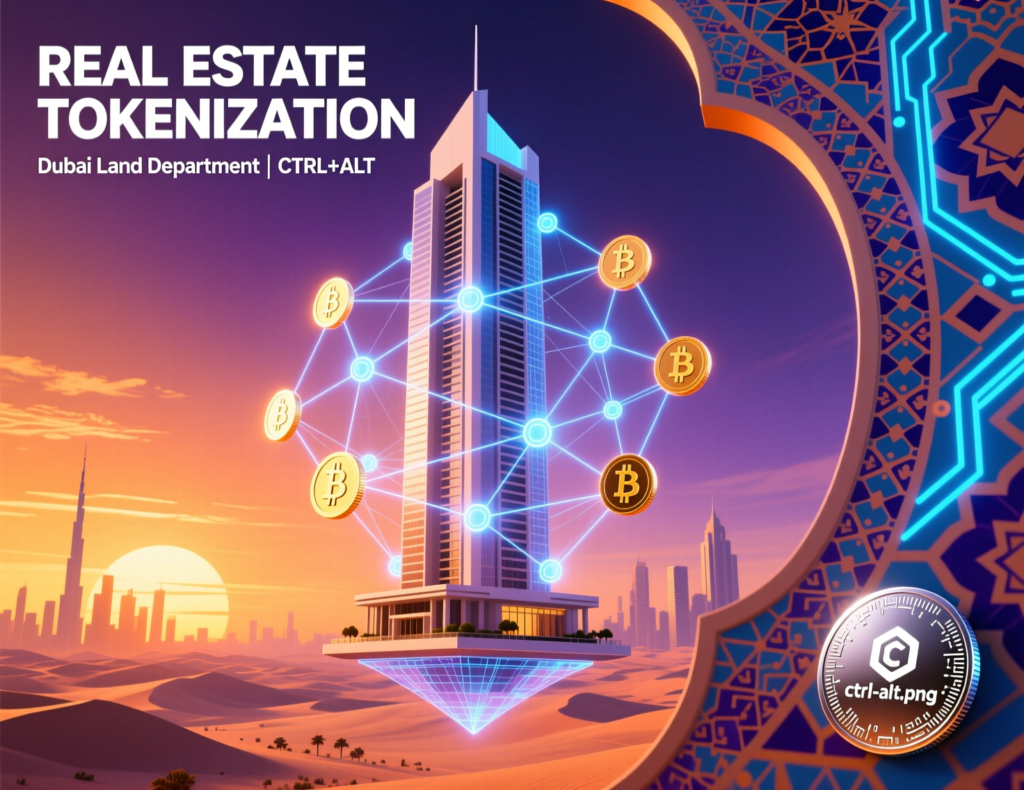
Dubai Land Department’s Real Estate Tokenization Project, launched as a pilot in 2025 under REES, is tokenizing property title deeds under a VARA-aligned framework.
Ctrl Alt is the tokenization partner, building infra that could later plug into European or UK-regulated asset managers looking for Middle Eastern real estate exposure.
Add to that
Supply chain & logistics for ports, aviation and industrial shipments (Saudi, UAE, Qatar).
Smart cities & digital twins anchored in Vision 2030 and UAE smart city programs.
For investors in London, Berlin or Zurich, these are natural complements to existing real estate, infra and logistics portfolios especially when cloud and data residency architectures align with guidance like GDPR/DSGVO and national cloud rules.
Islamic finance, Sharia-compliant products & Web3 gaming
Two uniquely Middle Eastern angles stand out.
Islamic finance & Sharia-compliant crypto
Projects like ISLAMICOIN and Sharia-certified staking products (e.g. Binance’s Sharia Earn) aim to tap a global Islamic finance market measured in the trillions.
Expect more sukuk tokenization, Sharia-compliant REIT tokens and digital bank products, useful for UK partners close to the FCA and European investors mindful of ethical investing standards.
Web3 gaming & edtech
UAE-based PiP World and platforms like Astro Armadillos combine game mechanics with blockchain-based rewards and education, making the Gulf a genuine Web3 gaming testbed.
For European gaming publishers or US growth funds, these are attractive niche theses with both regional engagement and global upside.
How US, UK and EU investors can invest safely in Middle East blockchain startups
US, UK and EU investors typically access Middle East blockchain startups by co-investing with regional VCs, using regulated SPVs or funds, and aligning structures with MiCA, GDPR/DSGVO, UK-GDPR and local frameworks like VARA and Saudi sandboxes. Done well, this can feel as robust as a traditional venture deal in San Francisco or London just with different regulatory acronyms.
Investment routes
Broadly, you have four routes into “invest in Middle East blockchain startups”:
Direct equity rounds
Joining priced seed or Series A rounds alongside regional VCs such as Wamda, BECO, MEVP, VentureSouq or Adaverse.
Regional VC funds or feeder vehicles
For EU-regulated funds in Luxembourg, Dublin or Amsterdam, feeder structures into GCC-domiciled funds can provide diversification while centralising KYC/AML.
Syndicates & club deals
AngelList-style SPVs or local angel networks in Dubai, Abu Dhabi, Riyadh and London connecting HNWIs and family offices.
Strategic partnerships
For German industrials, UK fintechs or US SaaS players, co-development deals plus minority equity stakes in infra or gov-tech startups are increasingly popular.
If you need help structuring technical and cloud pieces (multi-region stacks, data residency, cross-border analytics), you can lean on a specialist development partner such as Mak It Solutions’ services team.
Regulation & compliance
Safe exposure hinges on reconciling Middle East blockchain regulation vs Europe (MiCA, VARA) and UK, US expectations:
EU (MiCA + GDPR/DSGVO)
A harmonised crypto-asset regime (Regulation (EU) 2023/1114) plus strict privacy and cybersecurity requirements under GDPR (Regulation (EU) 2016/679).
UK (FCA + UK-GDPR)
Crypto regulation is migrating into a more traditional financial-services model by around 2027, with FCA consultation papers defining requirements for trading, custody, disclosure and market abuse.
UAE (VARA, DFSA, FSRA)
VARA’s 2023 Rulebook for virtual assets, DFSA’s tokenisation rules in DIFC and ADGM’s spot crypto framework give clear licensing paths for exchanges, custodians and tokenization platforms.

Saudi (SAMA/CMA sandboxes)
Regulatory sandboxes for fintech and digital assets, aligned with wider Vision 2030 digital policies.
On top of this, your compliance team should map:
FATF’s VASP guidance for KYC/AML and travel rule.
PCI DSS v4.0 if card data touches any stack elements (e.g., fiat ramps, card-linked rewards).
SOC 2 / HIPAA where startups handle enterprise data or health records (e.g., blockchain in healthcare in the Gulf or EU).
Practical checklist & next steps for serious investors
Think of this as your “how to invest in Middle East blockchain startups from the US/UK/EU” playbook:
Define your thesis
Decide whether you care more about DeFi, RWA tokenization, gaming, or enterprise infra.
Pick your hubs
Prioritise Dubai/Abu Dhabi for regulated VA plays, Riyadh for industrial/gov-tech, and Manama/Tel Aviv for exchanges and security infra.
Map regulation
For each target, document licences (VARA, ADGM/FSRA, DFSA, SAMA/CMA, CBB) and how they interact with MiCA, GDPR and UK-GDPR obligations for your fund.
Check data & cloud architecture
Ensure hosting and data flows support EU/UK data transfer rules and, where relevant, local residency demands; guides like Middle East cloud providers for KSA, UAE & Qatar CIOs and Middle East data centers for GCC investors can help your tech team.
Assess security & compliance
Ask for PCI DSS, SOC 2, penetration tests and travel-rule tooling for any startup touching end-investors.
Review governance & banking
Understand share classes, information rights, local bank relationships and fiat on/off-ramp stability.
Use regional co-investors
Partner with local VCs and CVC arms that know the regulators, free zones and informal networks.
Pilot before big tickets
For corporates, start with a POC or sandbox pilot, then scale equity exposure as commercial usage proves out; Mak It Solutions can help set up these pilots and integrations.
Monitor regulatory drift
Track MiCA implementation timelines, UK FCA consultations and VARA/FSRA updates; they materially change startup risk profiles.
Document risk factors
FX, political, sanctions, custody, secondary liquidity and tax especially for LPs in the US, UK, Germany and other EU states.
None of this is investment advice; always do your own research, work with experienced legal counsel and keep your IC comfortable with both the upside and the risk.
Key Takeaways
The MENA blockchain ecosystem is now large and fast-growing, with 2,000+ active organisations and billions in annual startup funding, even after the 2022–24 reset.
UAE (Dubai/Abu Dhabi) and Saudi Arabia (Riyadh) are the primary hubs, with Bahrain, Qatar, Egypt and Israel as important secondary nodes.
The most promising Middle East blockchain startups focus on DeFi/exchanges, RWA tokenization, gov-tech, supply chain and Islamic finance not just speculative trading.
US, UK, German and EU investors can access these deals safely via regulated exchanges, regional VC funds, syndicates and strategic partnerships, provided they respect MiCA, GDPR/DSGVO, UK-GDPR, VARA and SAMA/CMA sandboxes.
Robust compliance, cloud/data architecture and security (PCI DSS, SOC 2, FATF travel rule) are now expected at growth stage and increasingly even at Series A.
Working with experienced engineering and consulting partners such as Mak It Solutions helps bridge regulatory, technical and cultural gaps between Gulf Web3 hubs and Western capital markets.
If you’re a US, UK or EU investor exploring Middle East blockchain startups, the opportunity is real but so are the regulatory and technical nuances. Mak It Solutions works at the intersection of cloud, data, Web3 and compliance across the GCC, Europe and North America.
Whether you’re diligencing a DeFi platform in Dubai, a tokenization startup in Abu Dhabi or a Vision 2030 gov-tech pilot in Riyadh, our team can help you map the architecture, regulatory touchpoints and realistic delivery risks. Reach out via the Mak It Solutions contact and services pages to scope a no-pressure technical and regulatory review of your current or planned Web3 portfolio.
FAQs
Q : Are Middle East blockchain startups compliant with MiCA, GDPR and UK-GDPR for European investors?
A : Many of the leading Middle East blockchain startups are building with MiCA, GDPR/DSGVO and UK-GDPR in mind, especially those targeting EU or UK users and institutional partners. In practice, you’ll often see UAE- or Bahrain-regulated entities (VARA, ADGM/FSRA, CBB) paired with European SPVs or data processors that sit squarely under EU or UK rules.That said, compliance is firm-specific: your team still needs to review licences, data flows, DPA/processor agreements and security certifications before treating any startup as MiCA- or GDPR-ready.
Q : What ticket sizes and stages are most common when investing in UAE and Saudi blockchain startups?
A : In Dubai and Abu Dhabi, seed rounds for blockchain startups typically range from USD 500k to USD 3m, with larger DeFi, exchange or infra plays closing USD 5–10m seed+ and USD 10–20m Series A rounds.Saudi rounds can skew slightly larger at similar stages when Vision 2030 or large corporates are involved, particularly for industrial or gov-tech pilots. For most US/UK angels and European early-stage funds, a USD 250k–2m ticket into a seed or Series A syndicate is the sweet spot; larger EU-regulated funds and German corporates may join USD 10–25m growth rounds once regulatory and commercial traction is proven.
Q : Which Middle East blockchain sectors (DeFi, gaming, tokenization, gov-tech) look most promising for 2025–2027?
A : For 2025–2027, four sectors stand out: regulated exchanges and DeFi infra, real estate and RWA tokenization, industrial/gov-tech tied to Vision 2030, and Web3 gaming/edtech in the Gulf. Tokenization is gathering serious institutional interest, especially around Dubai Land Department’s real estate tokenization sandbox and similar pilots in Abu Dhabi.Gov-tech and supply chain projects in Saudi and the UAE are attractive for German and EU industrials, while Web3 gaming and Sharia-compliant products offer high-beta growth opportunities for more risk-tolerant investors.
Q : How do Middle East blockchain startup valuations compare to similar Web3 companies in the US and Europe?
A : Valuations in the Gulf and wider MENA remain moderate relative to late-cycle US or UK Web3 rounds, partly because venture ecosystems are younger and exit paths (IPOs, major M&A) are still maturing. At seed and Series A, you’ll often see similar or slightly lower price-to-traction ratios than in London, Berlin or Amsterdam, especially once you factor in government grants, free-zone incentives and lower operating costs.The trade-off is that liquidity remains thinner than in the US—so you should price in longer holding periods and more concentrated upside in standout winners.
Q : What are the main risks (regulatory, FX, banking, political) when backing Middle East crypto and blockchain startups from abroad?
A : Key risks include regulatory drift (e.g., changes in VARA, SAMA/CMA or CBB rules), evolving MiCA and UK crypto regimes, and banking de-risking of crypto exposures.FX volatility can affect returns for USD, GBP or EUR investors, particularly in non-pegged currencies, while regional political dynamics and sanctions considerations require strong compliance tooling and external counsel. On the positive side, many GCC currencies are pegged to the USD, and regulators are consciously courting high-quality international capital so with careful structuring, governance and ongoing monitoring, risk can be managed rather than avoided entirely.