


Ethereum to reclaim privacy and trustlessness in 2026, says Buterin
Ethereum co-founder Vitalik Buterin argued that the ecosystem has sacrificed decentralization, privacy, and user control in pursuit of adoption and that must end.
He set 2026 as a turning point, outlining priorities for private payments, easier node operation, and dapps that avoid centralized services. This article maps those statements into an Ethereum self-sovereignty 2026 roadmap, with context on near-term upgrades and longer-term requirements.
What Buterin said and why it matters
Buterin wrote that “2026 is the year that we take back lost ground in terms of self-sovereignty and trustlessness,” pledging to stop compromises that dilute Ethereum’s values. He highlighted areas of “backsliding,” from harder-to-run nodes to dapps that leak data via centralized backends, and called for tools that restore user control and privacy.
Areas of focus (near term)
Private payments & privacy tech across the stack.
Easier node operation and local verification to reduce reliance on third parties.
Dapps without centralized servers, minimizing data leakage.
On-chain data control and social recovery wallets to mitigate seed-phrase risks.
Early steps: Kohaku and Glamsterdam
Buterin pointed to the Kohaku tool stack and the Glamsterdam hard fork as part of the path forward, while cautioning that no single upgrade will solve everything. Industry coverage likewise frames these as iterative steps aligned with decentralization and privacy goals.
The bigger picture.
Earlier this week, Buterin said Ethereum should be able to “ossify” into a form that remains secure and useful even if core builders walk away “cryptographically safe for a hundred years.” That implies work on quantum resistance, scalable architecture, and block-building that resists centralization pressure.
Decentralized money
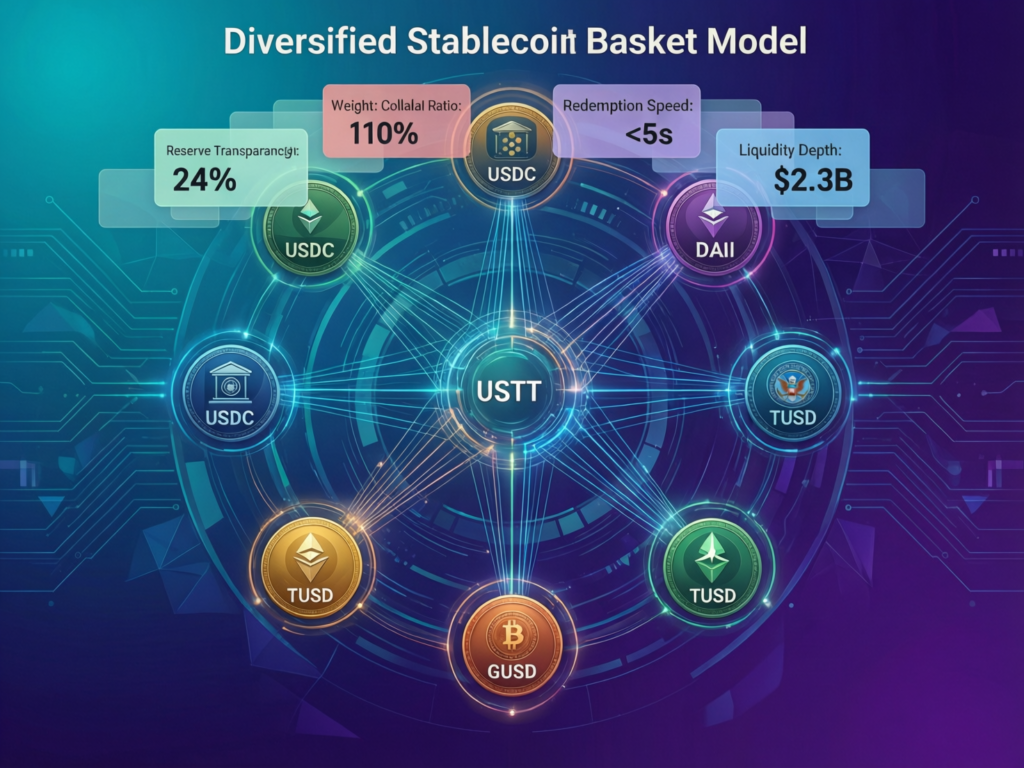
Buterin also urged more decentralized stablecoin innovation ideally collateralized by diversified baskets rather than a single national currency to reduce dependence on government and TradFi frameworks.
Mapping the Ethereum self-sovereignty 2026 roadmap to user actions
Users
Adopt wallets with social recovery; prefer dapps with minimized centralized components; consider privacy-preserving payment flows.
Developers
Ship light-client friendly paths; reduce centralized RPC dependencies; design front ends that can live on IPFS/Arweave; minimize analytics collection.
Ecosystem
Prioritize open standards for recoverability and portable identity/data.
Risks if the Ethereum self-sovereignty 2026 roadmap stalls
If the shift falters, Ethereum could see further centralization of infrastructure, continued data leakage via third-party services, and long-term fragility if builders remain indispensable contrary to the “walkaway test.”
Context & Analysis
The values-first stance aligns with prior debates over convenience vs. decentralization. The roadmap hinges on making privacy and local verification easy enough to be default behavior. Success depends on implementation details in upcoming releases (e.g., Glamsterdam) and on market adoption of decentralized stablecoins.
Bottom Lines
Ethereum co-founder Vitalik Buterin frames 2026 as a year of re-centering, focusing on greater autonomy and fewer compromises. The ecosystem is expected to see iterative upgrades, such as Kohaku and Glamsterdam, which aim to enhance the protocol’s flexibility and resilience. These upgrades will allow the community to experiment with new approaches while maintaining stability, setting the stage for more robust and user-friendly infrastructure.
A key emphasis will be on making privacy, local verification, and stable, decentralized money accessible as everyday features rather than niche tools for advanced users. The goal is to shift these innovations from optional enhancements to default standards in daily crypto use.
FAQs
Q : What did Buterin announce for 2026?
A : He pledged to reclaim self-sovereignty and trustlessness, prioritizing privacy, easier node use, and decentralized app infrastructure.
Q : Which upgrades relate to this push?
A : Coverage cites the Kohaku tool stack and Glamsterdam hard fork as steps toward these goals, though no single upgrade will solve everything.
Q : How does the “walkaway test” fit in?
A : It’s a benchmark for Ethereum to be secure and usable for decades without relying on core developers, implying long-term cryptographic and architectural resilience.
Q : What changes should users expect?
A : More private payments, better social recovery, and services that reduce dependence on centralized servers.
Q : Will there be new decentralized stablecoins?
A : Buterin encouraged designs backed by diversified baskets of assets/currencies rather than a single national unit.
Q : Does this affect developers today?
A : Yes, there’s emphasis on light-client support, decentralized hosting, and privacy-first defaults in dapp design.
Q : Where can I read Buterin’s original remarks?
A : His X post and subsequent coverage summarize the direction and priorities.
Facts
Event
Buterin calls for ending value compromises; sets 2026 focus on self-sovereignty and trustlessnessDate/Time
2026-01-17T00:00:00+05:00Entities
Vitalik Buterin; Ethereum (blockchain network); Kohaku (tool stack); Glamsterdam (planned fork)Figures
“cryptographically safe for a hundred years” (goal, not metric)Quotes
“2026 is the year that we take back lost ground in terms of self-sovereignty and trustlessness.” Vitalik Buterin (X)Sources
Cointelegraph via TradingView (news) ; CoinDesk (walkaway test)