

Elliptic Warns of Industrial-Scale Pig Butchering Scams Laundering Through Crypto
Elliptic, a leading blockchain analytics firm, has raised the alarm over the growing sophistication of industrial-scale pig butchering scams. These schemes no longer resemble small fraud rings; instead, they now function with the structure of professional financial operations. Scammers pool together large amounts of victim funds, manage them through organized networks, and leverage mule accounts to keep the money flowing while concealing their true identities.
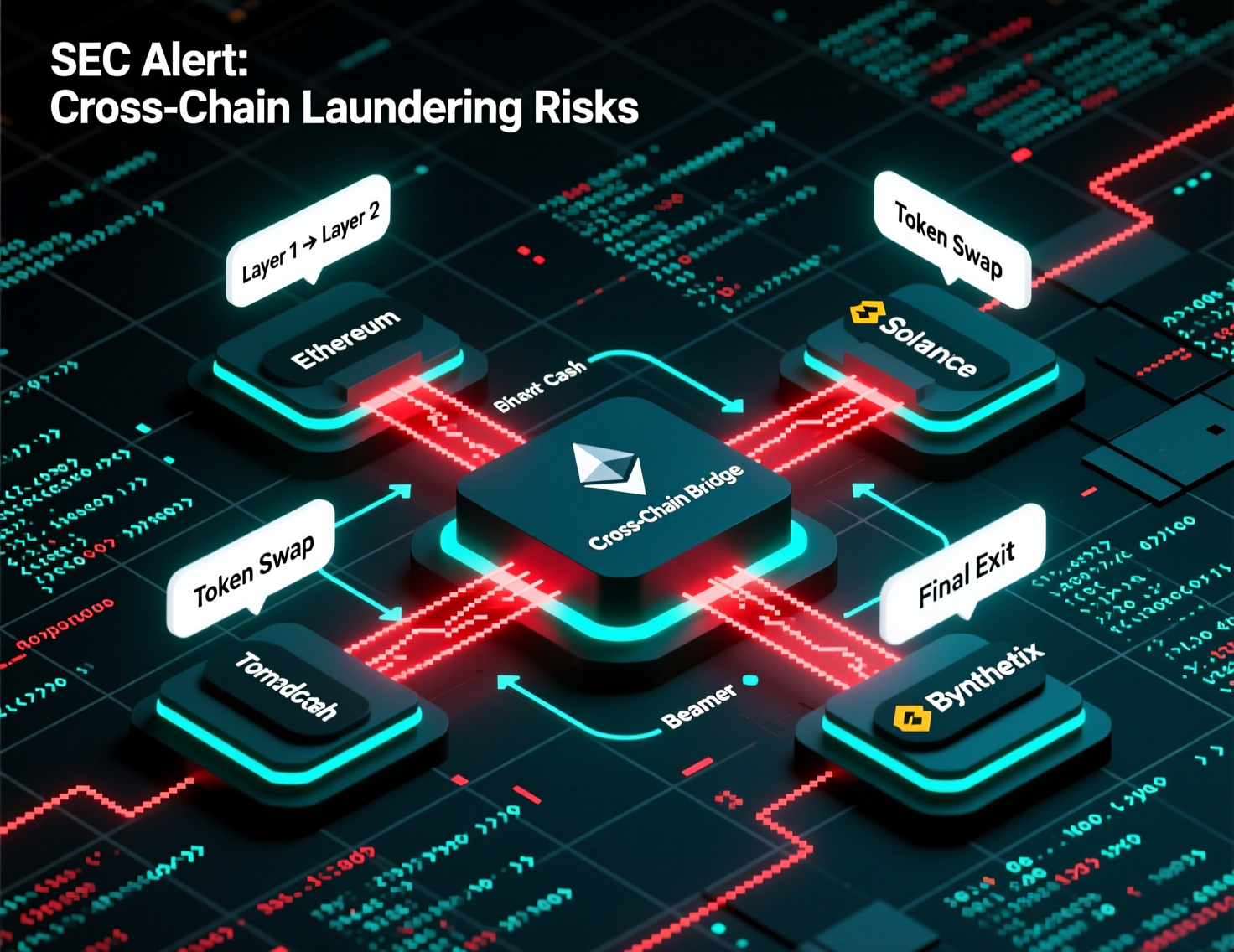
A major tactic involves using cross-chain transfers to make the trail harder to follow, creating layers of complexity in tracing illicit transactions. Despite these efforts, Elliptic notes that such movements still leave on-chain traces. This evidence can be tracked by investigators and crypto platforms, offering opportunities to disrupt the operations and mitigate losses for victims.
What Elliptic’s 2025 report says
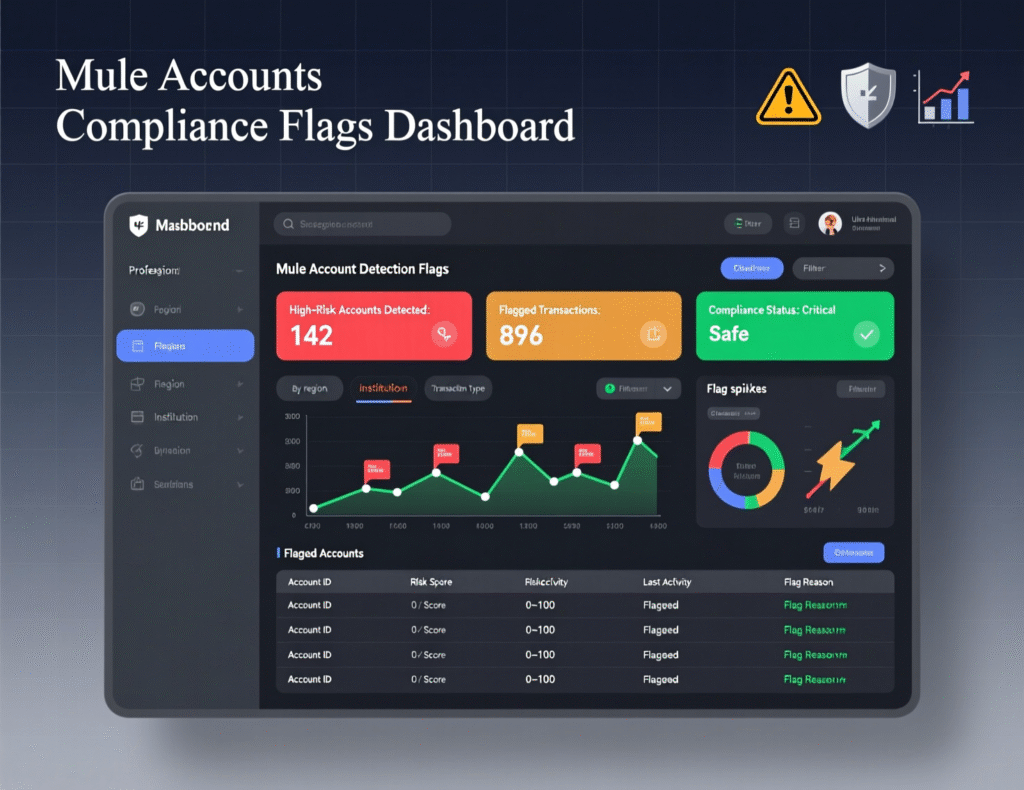
Elliptic’s latest typologies outline how scammers consolidate deposits in self-hosted wallets used solely to move funds, then push transactions through layers designed to camouflage provenance. These flows often traverse regulated venues using mule accounts that share repeat red flags—shared addresses, repeat IPs, and circular transfers before hopping across chains via bridges or payment processors to add further opacity.
How industrial-scale pig butchering scams laundering through crypto work
Investigators see a pattern: small “proof” payouts bait larger deposits; funds are then split, peeled, or bridged to fresh addresses. Elliptic says behavior-based analytics can auto-flag wallets exhibiting these scam signatures including staged “returns,” progressive top-ups, and exposure to known facilitators accelerating compliance reviews. info.elliptic.co
Why it’s hard to stop and how blockchain helps
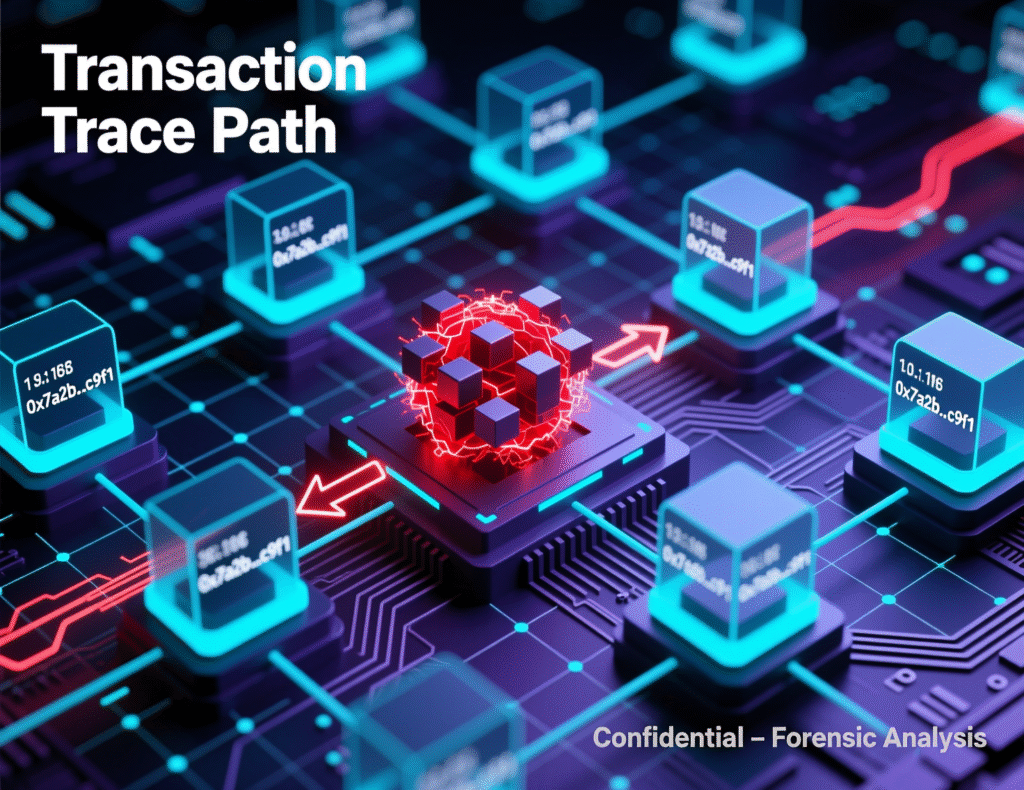
Unlike cash, blockchains create durable, public transaction trails. Elliptic’s tools map those trails to reveal clusters, consolidation hubs, and mule networks, surfacing indicators such as peel chains and mixer-first routing that suggest laundering activity. That visibility is helping exchanges, law enforcement, and regulators spot coordinated abuse even as scammers industrialize operations.
Stablecoins, sanctions risk, and the broader ecosystem
Elliptic also cautions that sanctioned individuals increasingly leverage stablecoins for cross-border transactions, elevating AML screening needs around bridge usage and off-ramps. U.S. authorities have likewise begun targeting enablers that provide infrastructure to scam operators, including IP hosting and traffic tools.
Real-world enforcement momentum
Government actions—from FBI victim-support and awareness campaigns to Treasury designations—indicate a coordinated response. Cases and seizures linked to pig-butchering networks continue to surface, underscoring both the scale of losses and the value of industry-law-enforcement collaboration.
<section id=”howto”> <h3>How to report and respond to suspected pig-butchering activity</h3> <ol> <li id=”step1″><strong>Step 1:</strong> Stop sending funds; take screenshots of chats, sites, wallet addresses, and transaction IDs.</li> <li id=”step2″><strong>Step 2:</strong> Export transaction hashes from your wallet/exchange and note amounts, dates, and chains.</li> <li id=”step3″><strong>Step 3:</strong> Report to your exchange’s fraud team and request an account flag/freeze when applicable.</li> <li id=”step4″><strong>Step 4:</strong> File complaints with local law enforcement and national agencies (e.g., FBI IC3 if in the U.S.).</li> <li id=”step5″><strong>Step 5:</strong> Provide hashes and addresses to investigators; do not engage further with scammers.</li> </ol> <p><em>Note: Process may vary by jurisdiction/provider. Confirm requirements before acting.</em></p> </section>
Context & Analysis
Interpol and victim-advocacy groups note the term “pig butchering” can stigmatize victims; many prefer “romance-investment scams.” Regardless of terminology, Elliptic’s data—combined with recent enforcement suggests a durable shift toward organized, cross-chain laundering that pressures exchanges and analytics vendors to invest in behavioral and entity-resolution tools.
Conclusion
Elliptic’s research highlights how pig butchering scams have evolved into a mature fraud economy, combining manipulative social engineering with advanced multi-chain laundering tactics. These schemes rely on mule networks and cross-chain activity to disguise stolen funds, giving them the appearance of legitimate financial operations.
However, because blockchain transactions remain inherently traceable, the fight against such scams is intensifying. Analysts expect greater reliance on blockchain intelligence tools, fresh debates over stablecoin regulations, and stricter actions targeting infrastructure providers. By disrupting mule accounts and limiting bridge-based obfuscation, platforms aim to cut off the critical channels that enable these large-scale frauds.
FAQs
Q : What is pig-butchering in crypto?
A : A romance-investment scam where victims are groomed online and coached to invest in fake platforms.
Q : How do industrial-scale pig butchering scams move money?
A : They pool deposits in self-hosted wallets, pass funds through mule accounts at exchanges, and jump across chains via bridges.
Q : Can blockchain forensics actually trace these funds?
A : Yes. On-chain transparency lets tools identify behavioral patterns and linked wallets across services.
Q : Why are stablecoins mentioned in these reports?
A : Stablecoins are widely used for cross-border transfers and can be abused by sanctioned actors and fraud networks.
Q : What should victims do first?
A : Stop transfers, collect evidence (hashes, screenshots), contact your exchange and law enforcement (e.g., IC3 in the U.S.).
Q : Are authorities targeting enablers?
A : Yes. Treasury sanctioned entities accused of supporting scam infrastructure, signaling a broader focus beyond scammers.
Q : Is the term “pig butchering” appropriate?
A : Interpol suggests using less stigmatizing terms like “investment scam” or “romance baiting,” to reduce victim shaming.