
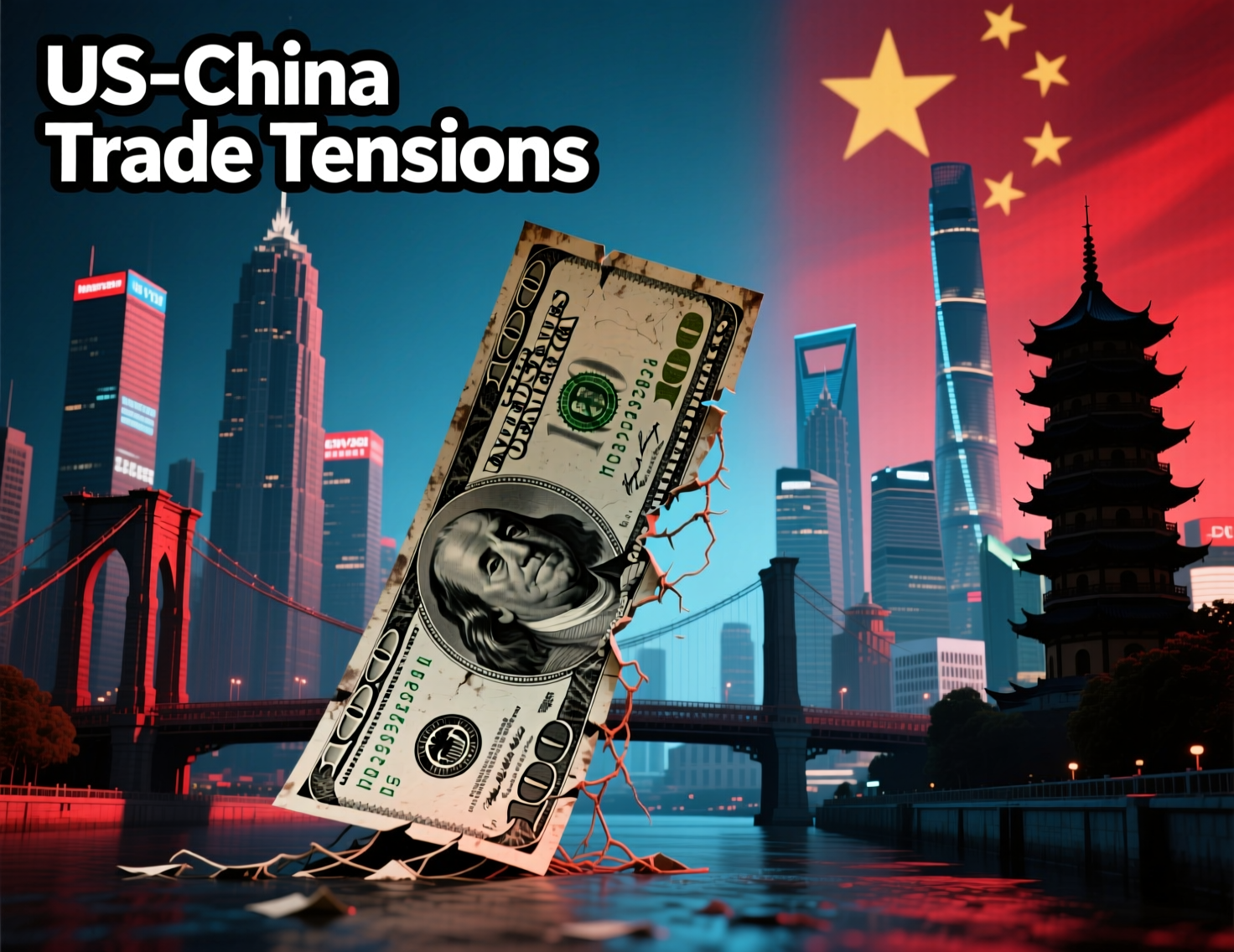

Dollar pulls back as risk sentiment sours on fragile US-China trade ties
The brief rebound in the US dollar faded as investors shifted focus back to growing geopolitical tensions. Market sentiment turned cautious after renewed friction between the US and China reignited concerns over global trade stability.
Both nations imposed additional port fees, and Beijing’s announcement of fresh countermeasures deepened worries about escalating trade conflicts. This dampened risk appetite across markets, prompting a move toward safe-haven currencies like the yen and the Swiss franc. As uncertainty rose, the greenback lost momentum, reflecting investors’ preference for stability amid renewed global unease.
Markets react as trade rift deepens
Fresh headlines signaled the relationship remains fragile: China unveiled countermeasures targeting U.S.-linked subsidiaries of South Korea’s Hanwha Ocean and said it is examining domestic impacts from a U.S. Section 301 probe. The euro edged higher, sterling gained modestly, while the Australian and New Zealand dollars fell.
Dollar pulls back on US-China trade tensions: key FX levels
EUR/USD around $1.1585 (+0.14%)
GBP/USD around $1.3351 (+0.12%)
AUD/USD near $0.6475 (-0.63%); NZD/USD $0.5697 (-0.5%)
USD/JPY about 151.86 (yen firmer); USD/CHF 0.8027 (Swiss franc stronger)
Figures reflect intraday levels cited by Reuters as risk sentiment deteriorated.
Shipping fees escalate the dispute
On Oct. 14, the United States and China began charging additional port fees on vessels tied to each other’s economies—covering ships that move everything from consumer goods to crude oil. China’s measures mirror U.S. steps linked to the Section 301 investigation into China’s maritime, logistics, and shipbuilding sectors. Reuters+2Reuters+2
Safe havens in demand; politics in Japan eyed
The yen and Swiss franc gained as investors trimmed risk. Political uncertainty in Japan kept yen gains in check, but rate differentials and haven flows remain the focus for USD/JPY watchers.

Crypto joins the risk-off move
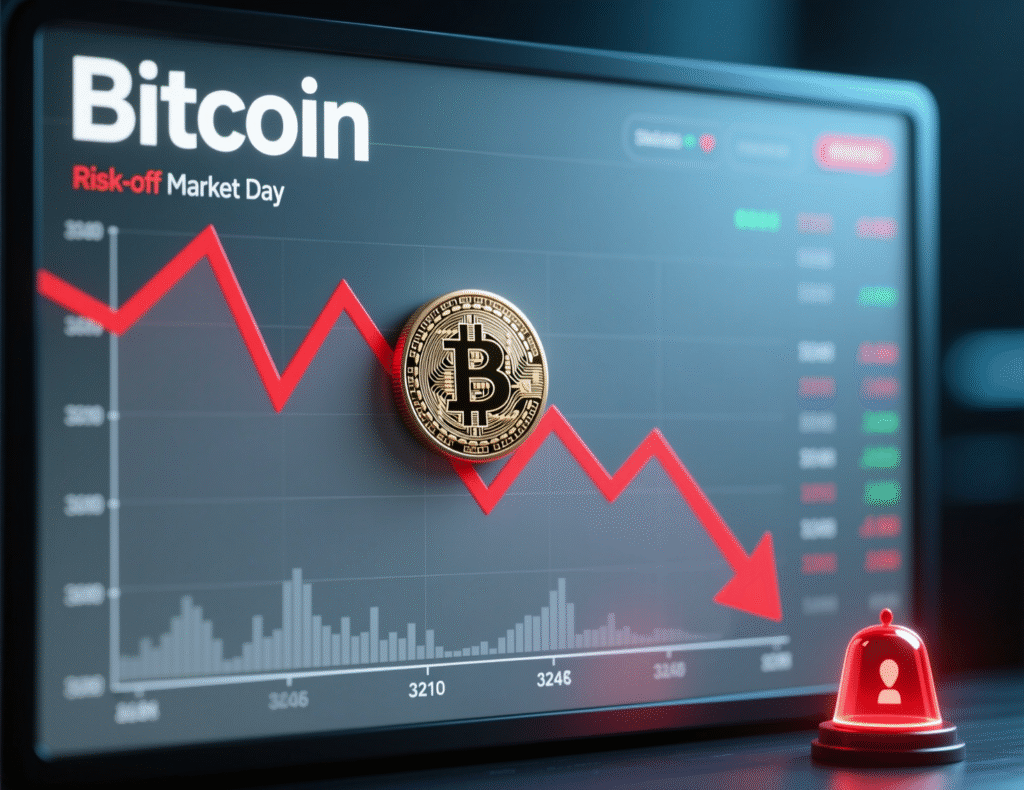
Bitcoin fell roughly 2.7% (near $112,700), while ether dropped about 4.9% (around $4,078). Market participants flagged recent large liquidations and thin liquidity as amplifiers of the move.
Context & Analysis
The latest steps sanctions and reciprocal port fees underscore how shipping and logistics have become policy levers in the broader trade confrontation. While these measures are unlikely to halt commerce, they can raise costs and inject volatility across FX and crypto by weakening risk appetite. Structurally, the U.S.–China rivalry suggests recurring bouts of risk-off even when headline rhetoric turns conciliatory.
Conclusion
Without signs of de-escalation, financial markets are likely to remain tilted toward safe-haven assets amid ongoing trade tensions. Investors are cautious, responding quickly to headlines that could signal further disruptions, and this has increased demand for currencies traditionally seen as refuges during uncertainty.
FX traders will closely monitor whether the recent weakness in the US dollar continues, particularly if flows remain concentrated in the Japanese yen and Swiss franc. At the same time, the ability of risk-sensitive currencies to stabilize will depend on how trade disruptions, shipping delays, and policy decisions evolve. Clarity on these factors may guide markets back toward balanced positioning, but until then, safe-haven demand is expected to dominate.
FAQs
Q : Why did the dollar retreat today?
A : Fresh U.S.–China frictions, including reciprocal port fees and Chinese countermeasures, spurred risk-off flows into havens.
Q : Which currencies benefited from safe-haven demand?
A : Primarily the yen and Swiss franc, while AUD and NZD underperformed.
Q : What triggered the latest escalation?
A : Actions linked to a U.S. Section 301 probe and China’s retaliatory steps, including targeting U.S.-linked Hanwha Ocean subsidiaries.
Q : How do the new port fees work?
A : Both sides began charging additional fees on vessels tied to the other country; details vary by ownership, flag, build, and exemptions.
Q : Did crypto markets react?
A : Yes bitcoin and ether fell alongside broader risk assets.
Q : Is this move temporary or structural?
A : Analysts view tensions as structurally embedded, implying intermittent risk-off episodes even amid talks.
Q : Does the article’s trend mean the dollar will keep falling?
A : Not necessarily; outcomes hinge on policy signals, yield differentials, and any de-escalation in trade measures.
Facts
Event
Dollar weakens as fresh US-China trade frictions spur risk-off move
Date/Time
2025-10-14T10:57:00+05:00Entities
U.S.; People’s Republic of China; Ministry of Transport (China); Office of the U.S. Trade Representative (USTR); Hanwha Ocean (South Korea); Bank of Japan; Swiss National BankFigures
EUR/USD 1.1585; GBP/USD 1.3351; AUD/USD 0.6475; NZD/USD 0.5697; USD/JPY 151.86; USD/CHF 0.8027; BTC ~112,714.58; ETH ~4,077.79 (intraday)Quotes
“This U.S.-China state of affairs is not a cyclical thing… It’s a structural feature of the new geoeconomic realities.” Vishnu Varathan, Mizuho (via Reuters) ReutersSources
Reuters (news) Reuters; Reuters (shipping fees) Reuters