
DeFi groups rebut Citadel’s call for tighter tokenization rules
Citadel Securities’ call for tighter DeFi tokenization rules has drawn a formal rebuttal from a crypto industry coalition led by the DeFi Education Fund (DEF), with signatories including Andreessen Horowitz (a16z), the Uniswap Foundation and The Digital Chamber. The groups argue the SEC can protect investors in tokenized-equity markets without forcing DeFi protocols and developers into traditional exchange or broker-dealer registration.
What Citadel asked the SEC to do
Citadel’s Dec. 2 letter tells the SEC not to grant broad exemptive relief that would let DeFi protocols facilitate trading in tokenized U.S. equities outside existing securities-market frameworks. It contends many DeFi actors and automated market makers meet statutory definitions of “exchange” or “broker-dealer,” and that carve-outs would undercut a technology-neutral regime and investor safeguards like surveillance and venue transparency.
Why DeFi groups object
In a Dec. 12 response, DEF and partners say Citadel mischaracterizes how DeFi works and overextends securities-law interpretations. They argue autonomous software is not a person capable of discretion, therefore not an intermediary, and that onchain designs can deliver resilience and investor protections comparable to though different from traditional systems.

Market context and policy backdrop
Coverage by CoinDesk, The Block and DLNews underscores how tokenized-equity policy could shape liquidity and market structure. Separately, NYDIG research suggests tokenized assets may deliver limited near-term benefits unless regulations enable deeper DeFi composability adding stakes to the current SEC consultation. TradingView+3CoinDesk+3The Block+3
What’s at stake with tighter DeFi tokenization rules
Regulatory parity vs. innovation
Citadel stresses equal treatment of the same security across venues; DeFi advocates warn one-size-fits-all registration could be impracticable for autonomous protocols.
Investor protection pathways
Disagreement centers on whether core protections must come via registered intermediaries or can be embedded onchain.
Liquidity and market structure
Industry letters caution against fragmented “shadow” markets; DeFi groups counter that careful design and disclosures can mitigate risks.
How DeFi advocates would address tighter DeFi tokenization rules
The coalition proposes that the SEC weigh technical realities of protocol design, clarify obligations for human actors versus software, and consider targeted relief where onchain controls meet policy goals without full intermediary registration.
Context & Analysis
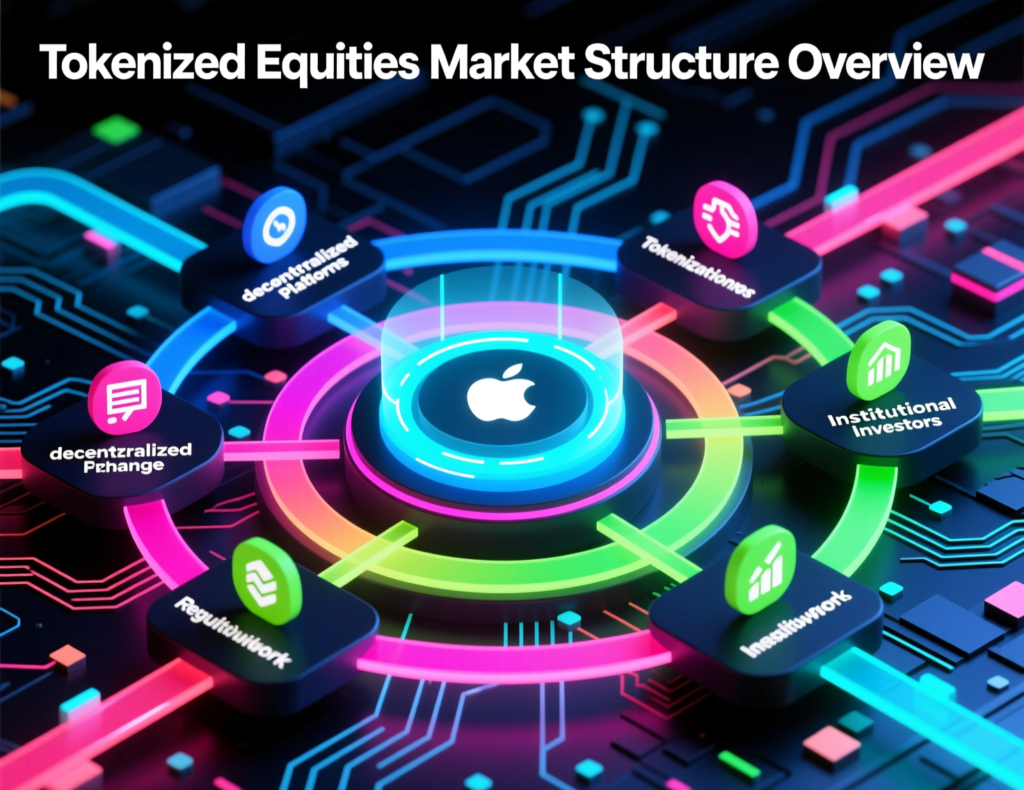
The letters reveal a classic trade-off: harmonized oversight for identical securities versus regulatory fit for decentralized architecture. The SEC’s path broad exemptions, targeted relief, or strict parity will influence whether tokenized equities evolve primarily on registered venues or interoperate with DeFi liquidity. Early tokenization gains may remain muted without policy enabling composability supporting NYDIG’s thesis.
Conclusion
The SEC’s consultation on tokenization has sparked a high-profile debate that could shape how onchain equities are regulated in the United States. The discussion centers on whether tokenized stocks and related DeFi infrastructure can fit within existing securities rules, or whether new frameworks are required to reflect how these technologies actually operate.
As the review continues, the SEC is expected to receive more submissions from market makers, DeFi builders, and industry trade groups. A key question is whether DeFi protocols that facilitate tokenized equities can meet investor-protection goals without relying on traditional intermediary registration models.
FAQs
Q : What did Citadel ask the SEC regarding tokenized stocks?
A : Citadel urged the SEC not to grant broad exemptions for DeFi, arguing many protocols effectively operate as exchanges or broker-dealers and should be regulated accordingly.
Q : Who signed the rebuttal to Citadel?
A : The DeFi Education Fund led a coalition that included a16z, the Uniswap Foundation, The Digital Chamber, and others.
Q : Does autonomous software count as an intermediary?
A : The coalition argues it does not; autonomous software lacks the human discretion and judgment required to qualify as an “intermediary.”
Q : Why does this matter for markets?
A : The outcome could determine whether tokenized equities primarily trade on registered venues or interoperate with DeFi, shaping liquidity, access, and innovation.
Q : What are the immediate investor-protection concerns?
A : Citadel points to venue transparency, market surveillance, and volatility controls, while DeFi groups propose on-chain mechanisms as alternative safeguards.
Q : Will tokenization boost crypto networks right away?
A : Not necessarily. NYDIG notes benefits may be “light at first” without deeper integration and composability with DeFi.
Q : Is the SEC creating a special regime for DeFi?
A : This is contested. Citadel warns exemptions could create dual regulatory regimes, while DeFi groups advocate tailored approaches that preserve investor protections.
Facts
Event
DeFi coalition rebuts Citadel Securities’ request for stricter DeFi oversight of tokenized U.S. equitiesDate/Time
2025-12-13T14:00:00+05:00Entities
Citadel Securities; DeFi Education Fund; Andreessen Horowitz (a16z); Uniswap Foundation; The Digital Chamber; U.S. Securities and Exchange Commission (SEC)Figures
N/A (policy/interpretive filings)Quotes
“Broad exemptive relief… would create two separate regulatory regimes for the same security.” Citadel Securities letter (Dec. 2, 2025). DL NewsSources