
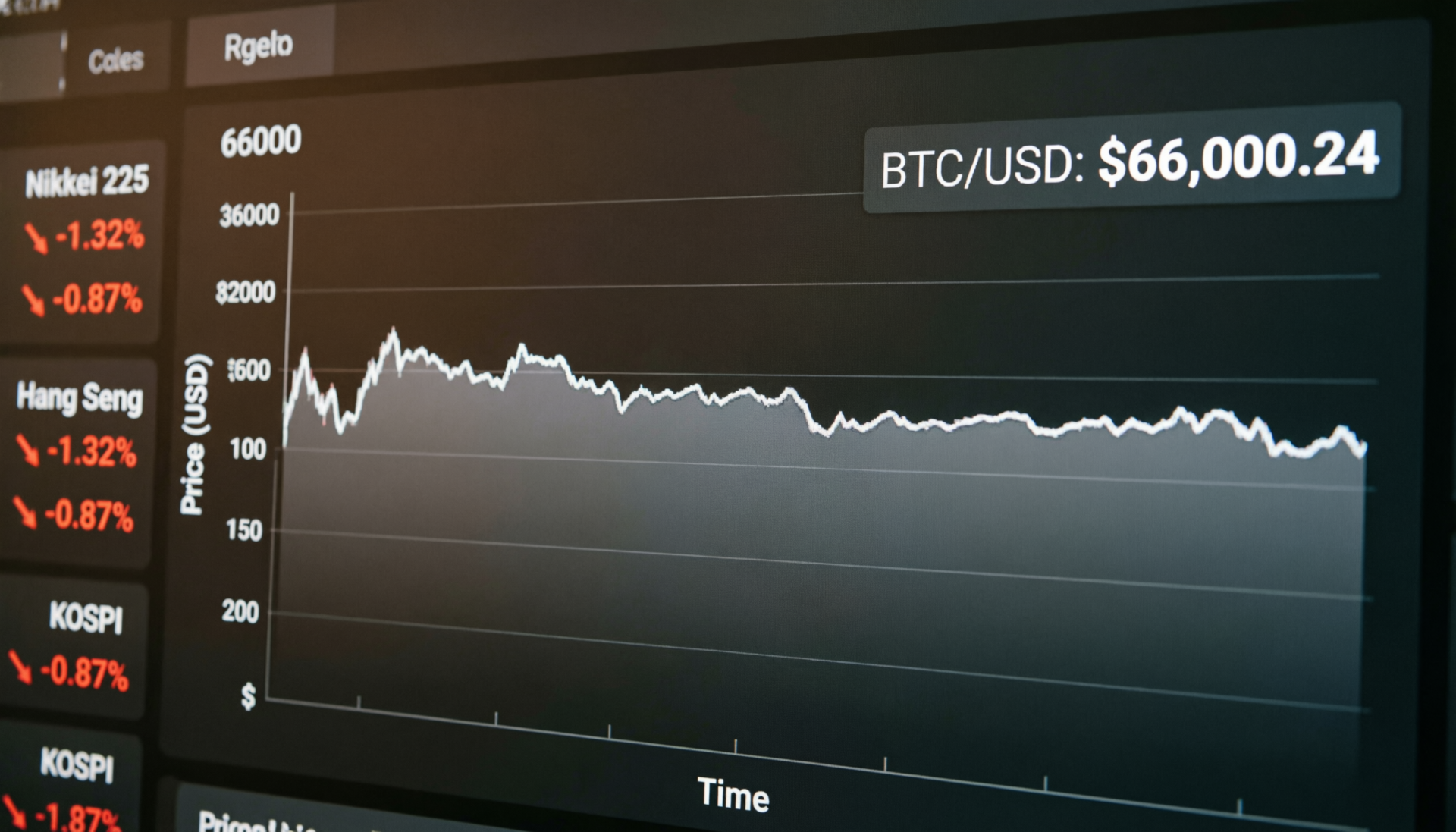

Crypto steadier than stocks as oil rallies after weekend Middle East shock
Bitcoin remained steady near $66,000 as Asian stock markets declined. The crypto market traded relatively calmly during Monday’s Asia session, despite weakness across regional equities. Investor sentiment stayed cautious, with major digital assets showing limited volatility and no sharp price movements. This stability suggested that traders were waiting for clearer macroeconomic signals before taking strong positions.
Meanwhile, oil prices surged amid renewed concerns over Middle East conflicts. Rising geopolitical tensions increased uncertainty in global financial markets and weighed on Asian equities. Despite these pressures, the crypto market showed resilience and avoided major swings, indicating that investors viewed digital assets as relatively insulated from short-term regional market stress.
What happened in crypto markets
Bitcoin edged lower over the prior 24 hours and was reported trading around $66,772, while ether was around $1,971, as traders priced geopolitical headlines and a broader risk-off tone at the start of the week.
Even with weekend volatility, price action in major cryptoassets appeared less extreme than the initial moves seen in some traditional markets when they reopened.
Asian markets slide as risk sentiment turns
Traditional markets reacted more sharply at the open, with investors rotating into perceived safe havens and trimming risk exposure after the weekend’s escalation. Reuters reported gains in the Japanese yen and Swiss franc as markets digested the strikes and the widening risk of regional spillovers.
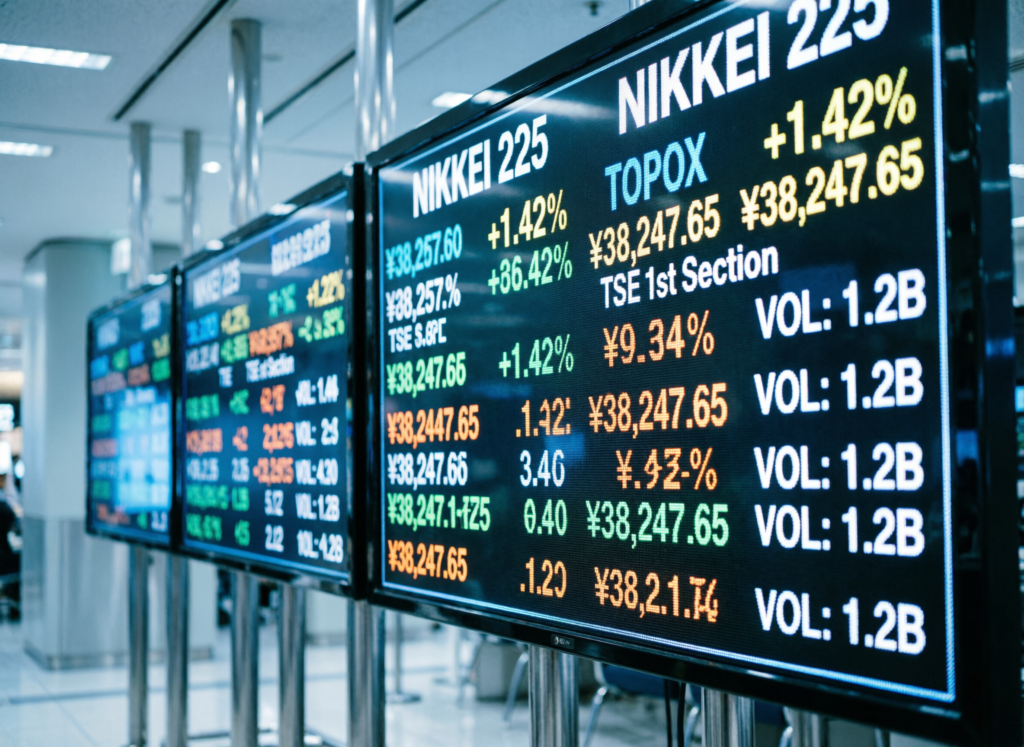
Equity weakness was most visible across Asia early Monday, with broad declines reported across major indices as investors weighed the possibility of prolonged instability and higher energy costs.
Oil jumps on conflict risk and shipping disruption fears
Oil was the clearest “transmission channel” for the shock, with Brent rising sharply in early Asian trading. Axios reported Brent up more than 7% at about $78.26 per barrel in early trading, reflecting supply and shipping-risk concerns.
Reuters also emphasized that attacks and security concerns were affecting tanker traffic and prompting some market participants to reassess whether flows through the Strait of Hormuz could be disrupted.
Why the Middle East escalation matters for markets
The geopolitical catalyst was the reported killing of Iran’s Supreme Leader Ayatollah Ali Khamenei in joint U.S.-Israeli strikes, a development that significantly raises uncertainty around retaliation risk, regional escalation, and energy logistics.
For investors, the key question is whether oil prices stabilize (limiting the macro fallout) or climb into a higher range that could pressure inflation expectations and keep financial conditions tighter for longer.
Context & Analysis
Bitcoin steady near 66000 as Asia stocks fall what to watch next
If energy prices remain elevated, markets may begin to price in second-order effects: higher inflation expectations, potential changes in central bank rate paths, and tighter liquidity conditions for risk assets. If oil retraces, the episode may be treated as a temporary risk premium rather than a regime shift.

Bottom Lines
In early Monday Asia trading, bitcoin held near the 66,000 zone even as Asian equities weakened and oil surged on heightened U.S.-Iran conflict risks. The next leg for crypto and broader markets is likely to be driven less by crypto-specific factors and more by whether oil and shipping risks through the Strait of Hormuz stabilize or escalate.
FAQs
Facts
Event
Crypto steadies near 66,000 as Asia equities fall and oil jumps on U.S.-Iran escalationDate/Time
2026-03-02Entities
Bitcoin (BTC), Ether (ETH), Brent crude, Strait of Hormuz, U.S., Iran, Ayatollah Ali KhameneiFigures
BTC about $66,772; ETH about $1,971; Brent about $78.26 (+7%+) at one pointQuotes
(No direct quotes used here; see sources for attributed reporting.)Sources
Reuters; Axios; Al Jazeera; The Block (snippet)