

Crypto & AI-Generated Content Rights
AI models can create text, images, music and code in seconds, while crypto rails (NFTs, tokens, on-chain registries) can mint, sell and track rights instantly. Put together, they unlock powerful new business models and big questions. Who owns AI outputs? What do NFTs actually transfer? How do you disclose AI assistance when registering copyright? And what happens when training data includes copyrighted works? These are the core issues behind Crypto & AI-Generated Content Rights, a topic shaping product roadmaps, legal policies, and creator livelihoods worldwide in 2025.
Over the last year, regulators and courts have clarified key pillars: the U.S. Copyright Office has doubled down on human authorship and disclosure rules for AI-assisted works; the D.C. Circuit in Thaler v. Perlmutter affirmed that purely machine-generated works can’t be registered; the EU AI Act set transparency duties; and headline cases around NFTs and datasets reshaped expectations on trademarks and training data. Federal Register+2media.cadc.uscourts.gov+2
This guide distills the current landscape, practical takeaways, and a step-by-step playbook to protect and monetize Crypto & AI-Generated Content Rights so you can build with confidence, not uncertainty.
What are Crypto & AI-Generated Content Rights?
At its core, Crypto & AI-Generated Content Rights sit at the intersection of three layers:
Authorship & ownership:
when (and how) AI-involved works qualify for copyright, and whose rights attach.Licensing & monetization:
how rights are granted via traditional contracts and via smart-contract terms embedded in NFTs/tokens.Compliance & transparency:
disclosures for AI assistance, training data issues, and consumer/data obligations.
Think of this as who owns what, who can do what, and how you prove it—on and off the blockchain.
Human authorship, disclosure, and AI outputs
United States snapshot
Human authorship is required.
The U.S. Copyright Office’s policy (Mar 16, 2023) states that purely machine-generated material is not registrable; applicants must disclose AI-generated portions and claim only the human authorship. The Office’s 2025 report reiterates and refines this framework.Courts agree.
In Thaler v. Perlmutter (D.C. Cir., Mar 2025), the appellate court affirmed that a work created autonomously by an AI system can’t be registered because copyright vests in human authors.
Practical impact:
If your artwork, code, or copy was produced with AI assistance, document the human creative input (selection, arrangement, editing) and disclose AI-generated portions in your registration application.
European Union snapshot
EU AI Act (adopted 2024; phased applicability into 2026–27). The Act imposes transparency duties on certain AI systems (including general-purpose AI) and bans specific practices (e.g., untargeted scraping of facial images). Expect downstream obligations for model providers and deployers.
United Kingdom snapshot
Policy direction: The UK continues consultations on copyright & AI, including a potential text-and-data-mining exception coupled with transparency measures for developers (consultation updated late 2024). Implementation details remain in flux; watch this space.

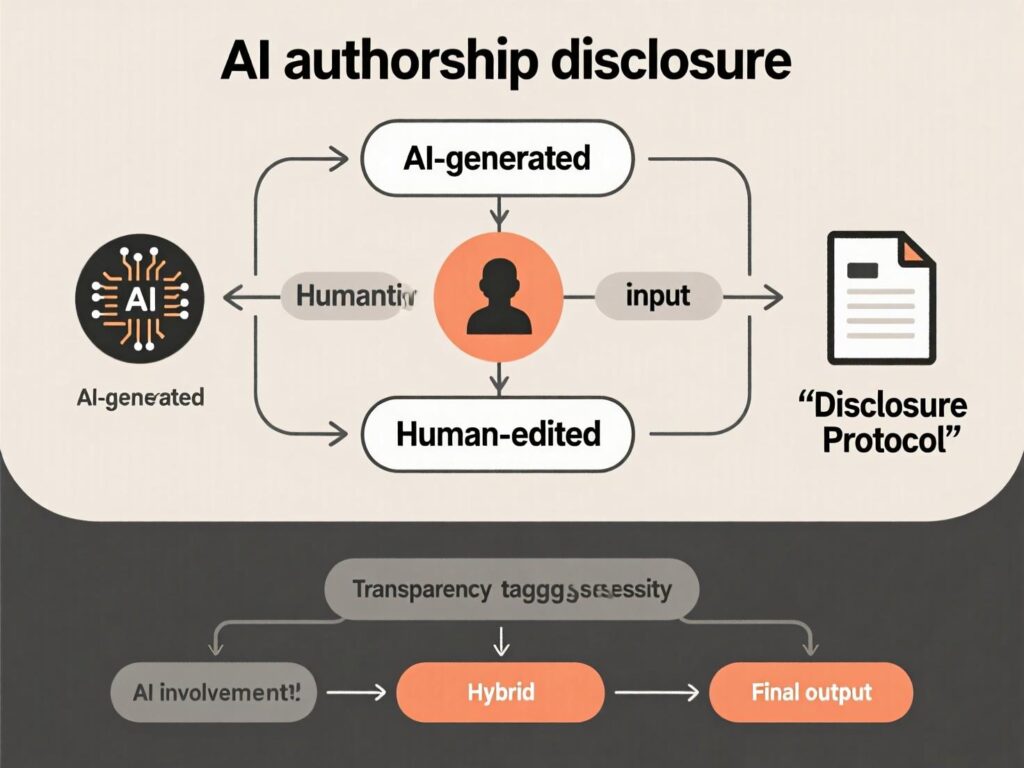
Who owns what when AI meets crypto?
NFTs ≠ IP by default
Buying an NFT typically transfers token ownership, not copyright or trademark rights, unless the license or smart contract says otherwise. Courts have treated NFT uses that confuse consumers about brand origin as actionable under trademark law, even when there’s no physical good. See:
Hermès v. Rothschild (MetaBirkin)
jury found trademark infringement; appeal activity continued through 2024.Yuga Labs v. Ripps
summary judgment for Yuga on trademark/cybersquatting; Ninth Circuit affirmed in 2025.
Takeaway: If you mint AI-assisted art as NFTs, pair the token with a clear license (e.g., personal-use only, commercial-use, or a Creative Commons variant) and ensure your metadata/marketing avoids brand confusion.
Smart contracts & licenses
Smart contracts can reference (or even enforce) license terms—royalties, attribution, permitted uses. But most IP terms live off-chain (in a URL or file hash). Make your rights explicit, versioned, and immutable (e.g., IPFS/Arweave) so collectors and platforms can verify them.
Case law and headlines shaping Crypto & AI-Generated Content Rights
Training data & datasets:
In 2025, the U.S. Copyright Office released Part 3 of its AI report addressing copyrighted works in training. Against this backdrop, Anthropic agreed to a $1.5B class-action settlement with authors over alleged use of pirated books, including destruction of specific datasets signaling courts may differentiate lawful training sources from unlawful acquisition/possession.News publishers vs AI firms:
In NYT v. OpenAI/Microsoft, the court issued a May 13, 2025 preservation order requiring OpenAI to retain and segregate output logs, later contested on privacy grounds and appealed; the order shaped how AI companies handle user-generated outputs in litigation.
Why it matters: Training and output logs may become discoverable evidence. Your data retention, privacy, and content provenance practices should assume courtroom scrutiny.

Protecting and monetizing Crypto & AI-Generated Content Rights
Decide your authorship strategy.
Keep human creative control: curate prompts, select/arrange outputs, and perform meaningful edits.
Maintain a creation log (date, tool, prompt, human edits).
Register what’s registrable.
When filing in the U.S., disclose AI-generated portions and claim only human authorship to avoid later cancellation.
Tokenize with clarity.
License terms: Attach a human-readable license (and a hashed copy) to each NFT’s metadata.
Royalty realism: On-chain royalties are market-enforced (not guaranteed). Consider platform-level agreements or legal fallback.
Trademark hygiene: Avoid confusing use of third-party marks in images, names, or collections (see Hermès, Yuga).
Provenance & watermarking.
Store source files, edit history, and license docs on IPFS/Arweave; consider cryptographic watermarks/signatures to prove origin.
Training data & compliance.
Vet datasets and vendor representations; avoid “shadow library” sources. The Anthropic settlement underscores risk around acquisition/possession even where fair-use arguments exist.
Commercial deals.
Use standard clauses: scope, exclusivity, moral rights, AI-assistance disclosure, representations & warranties re: datasets and outputs, and indemnities.
For brands: publish a Generative Use Policy for fan art and UGC.
How-to: tokenizing AI-assisted works safely
Draft human-led creative plan and keep a process log.
Generate drafts with AI; document prompts and human edits.
Curate, edit, and combine outputs to add clear human authorship.
Prepare a rights statement (who owns what; what’s AI-assisted).
Choose a license (e.g., personal-use, commercial-use, or CC BY-NC).
Embed license URL + SHA-256 hash in NFT metadata; pin files to IPFS/Arweave.
Add provenance data (timestamps, creator wallet, optional watermark).
File U.S. copyright registration with AI disclosure (if applicable).
Mint on a marketplace that supports metadata immutability and license fields.
Publish a public collection policy & brand guide to prevent confusion.
Two quick real-world touchstones
MetaBirkin (Hermès v. Rothschild):
A reminder that NFTs using famous marks/artistic references can still trigger trademark liability if they confuse consumers licensing clarity and brand policy matter.Yuga Labs v. Ripps:
Courts will treat look-alike NFT projects aimed at confusing buyers as trademark violations; damages and fee awards can be substantial.
Risk and compliance checklist
Human authorship documented; AI assistance disclosed.
License and rights terms attached to token metadata (immutable).
No third-party marks/content without permission or clear nominative use.
Dataset/source vetting completed; vendor reps and indemnities signed.
Data/privacy plan for logs and user content (consider litigation holds).
EU/UK watchers: track AI Act compliance dates and transparency duties.


Concluding Remarks
The rules are getting clearer: Crypto & AI-Generated Content Rights hinge on human creativity, explicit licensing, and transparent provenance. Courts and regulators aren’t banning innovation they’re demanding accountability about who created what, what rights are transferred, and how data was obtained. If you document human authorship, disclose AI assistance in registrations, attach robust licenses to NFTs, and avoid brand confusion, you can confidently ship on-chain creative products that respect the law and your users.
The next 12–24 months will bring further refinements as the EU AI Act phases in and U.S. litigation progresses. Treat compliance as product design: make provenance and permissions visible, machine-readable, and verifiable so your creations can travel safely across platforms, markets, and jurisdictions. That’s how you turn Crypto & AI-Generated Content Rights from a headache into a durable competitive advantage.
CTA: Want this turned into a rights policy, NFT license, or contributor guide for your team? Say “policy pack” and I’ll generate templates tailored to your stack.
FAQs
Q : How do I claim copyright if my work used AI?
A : Register the work and disclose AI-generated portions; claim only your human authorship (selection, arrangement, edits). Nondisclosure risks cancellation later. Keep a creation log to evidence human creativity.
Q : How does the EU AI Act affect creators and startups?
A : Expect transparency duties for certain AI systems and enforcement phases through 2026–27. Track guidance for general-purpose AI and content provenance.
Q : How can NFTs transfer rights, not just tokens?
A : Add a clear license (human-readable + hashed copy) in metadata. Spell out commercial rights, attribution, derivatives, and revocation terms.
Q : How do I avoid trademark trouble with AI-generated NFTs?
A : Don’t use famous marks or trade dress in ways that could confuse buyers; study Hermès v. Rothschild and Yuga v. Ripps outcomes.
Q : How can training data create legal risk?
A : Using or storing pirated datasets is risky; see the 2025 Anthropic settlement requiring destruction of specific files. Vet vendors and rely on licensed or lawful sources.
Q : How do I tokenize AI-assisted works with provenance?
A : Include prompt logs, edit history, and license hashes; store on IPFS/Arweave; mint where metadata is immutable.
Q : How can smart contracts help with royalties?
A : They can signal royalties, but enforcement depends on marketplaces and norms. Backstop with legal agreements.
Q : How long should I keep AI output logs?
A : Follow your jurisdiction and contract rules; be aware courts can mandate preservation (e.g., NYT v. OpenAI order, May 13, 2025).
Q : How can brands publish a Generative Use Policy?
A : Set guardrails for fan art and UGC, define commercial limits, attribution, and prohibited uses. Link the policy in collection pages.