
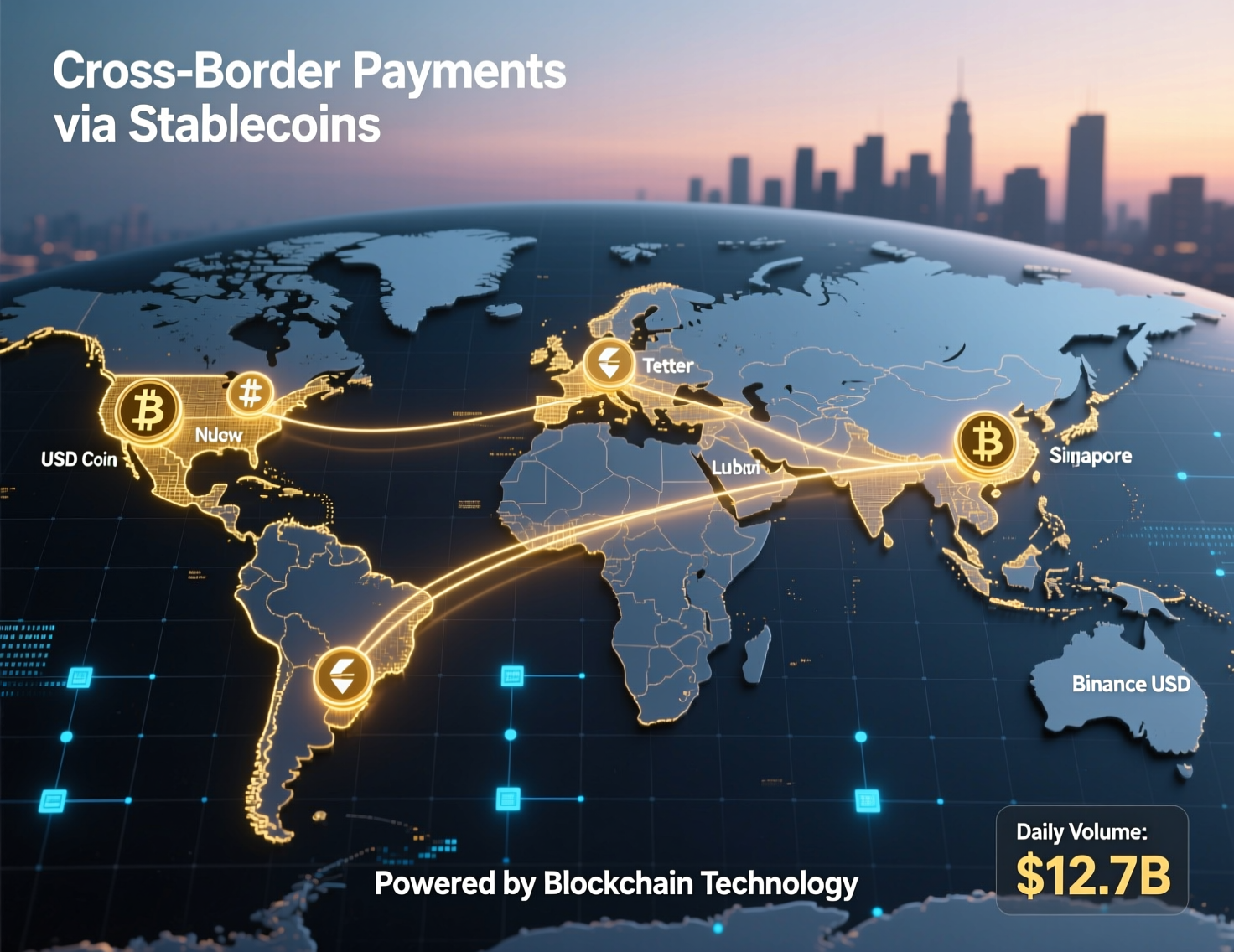
Cross-Border Payments via Stablecoins
International money movement is still notoriously slow and expensive. In Q1 2025, the global average cost of sending remittances was 6.49% well above the UN SDG target of 3%. Remittance Prices World Bank Amid this reality, cross-border payments via stablecoins have emerged as a practical option for businesses and platforms that need speed, transparency, and always-on settlement. Unlike volatile crypto assets, fiat-pegged stablecoins (USD/EUR) can move value in seconds, often at negligible network fees on modern chains, and operate 24/7. Visa’s live settlement pilots and expansion, PayPal’s PYUSD rollout on Solana, and Stripe’s renewed crypto support signal that the category is maturing from experiment to infrastructure.
This guide unpacks how cross-border payments via stablecoins work, where they beat legacy rails, what the latest regulations mean (MiCA, UK, U.S.), and a practical blueprint to pilot them safely in your stack.
Why choose cross-border payments via stablecoins?
Speed & uptime
Stablecoin transfers clear within seconds and work 24/7/365, including weekends—something card and correspondent banking rails can’t match today. Visa’s on-chain analytics highlight substantial weekend transaction volumes, underscoring around-the-clock usage.
Cost
Fees vary by chain, but modern networks and L2s commonly price transfers in cents or fractions of a cent (e.g., Solana’s base fee is measured in “lamports,” typically a fraction of a penny; many Ethereum L2 transfers cluster around ~$0.01–$0.05 per simple send). Even at the high end, that’s dramatically below a 6.49% remittance average.
Transparency
On-chain transactions are auditable end to end. Combined with compliant issuers (e.g., Circle’s USDC/EURC under EU MiCA), treasury teams get clearer visibility and redemption assurances.
Programmability
Stablecoin payouts are easy to embed in workflows (instant disbursements, milestone-based escrow, programmable treasury sweeps), which is why you increasingly see cross-border payments via stablecoins in marketplaces, creator economies and B2B supplier payouts. Stripe’s reintegration demonstrates growing merchant demand.
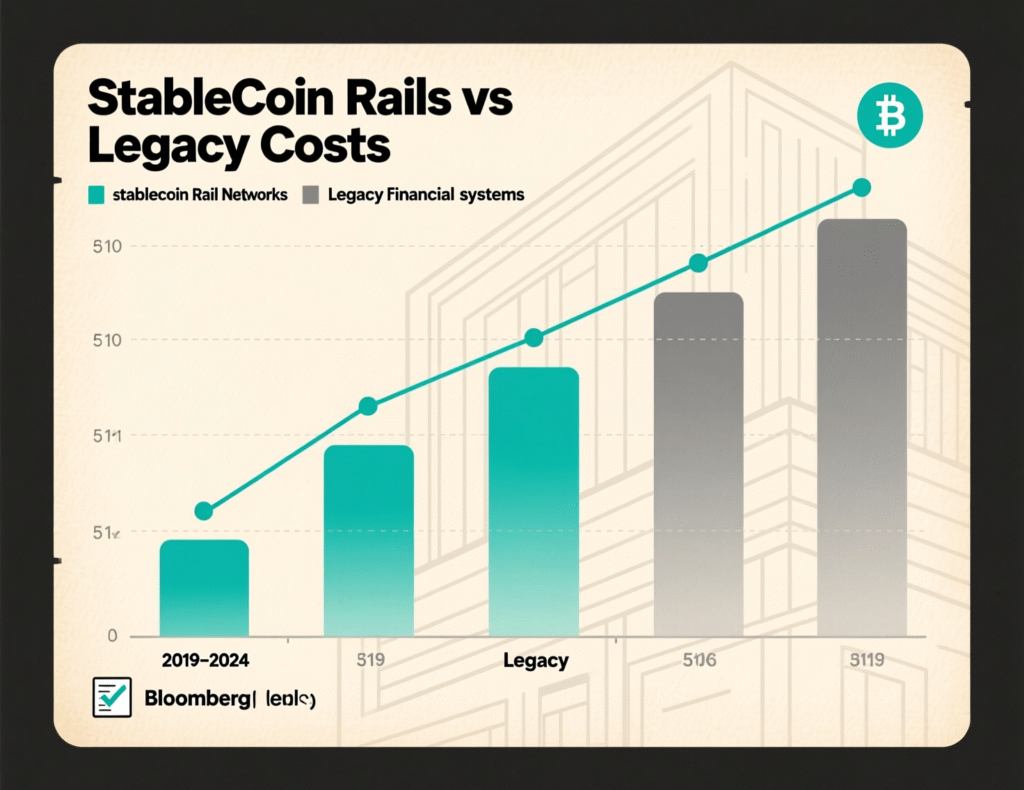
Market proof points you can’t ignore
Visa expanded its settlement platform in July 2025 to support additional USD stablecoins, new chains, and EURC directly acknowledging stablecoins as viable settlement liquidity.
PayPal’s PYUSD went live on Solana in 2024; by mid-2025, over $300M PYUSD had been minted on Solana as developer interest surged.
MoneyGram launched a USDC-powered corridor (initially U.S.→Colombia) with instant delivery to a Crossmint smart wallet in the MoneyGram app, showing a concrete remittance use case for cross-border payments via stablecoins
WEF (citing blockchain analytics) reported $27.6T stablecoin transfer volume in 2024 (methodologies differ, but directional growth is clear).
How cross-border payments via stablecoins work (in plain English)
On-ramp
A business funds a payout wallet (e.g., USDC or PYUSD) from a bank account via a regulated issuer/custodian.
On-chain transfer
Assets move across a selected network (e.g., Solana, Stellar, Ethereum L2 Base, or others).
FX (optional)
You can convert on arrival or hold in-currency stablecoins (USDC/EURC).
Off-ramp
Recipient cashes out to bank/mobile money, or spends from a wallet. MoneyGram’s ramping and major exchanges/payment processors provide regulated off-ramps.
Network picks
Solana
Ultra-low fees; high throughput; ideal for small, frequent payouts.Ethereum L2s (Base/Arbitrum)
Strong developer tooling; fees often ~$0.01–$0.05 for simple transfers (varying with congestion).Stellar
Designed for cross-border/FX and integrations like MoneyGram cash-in/out.
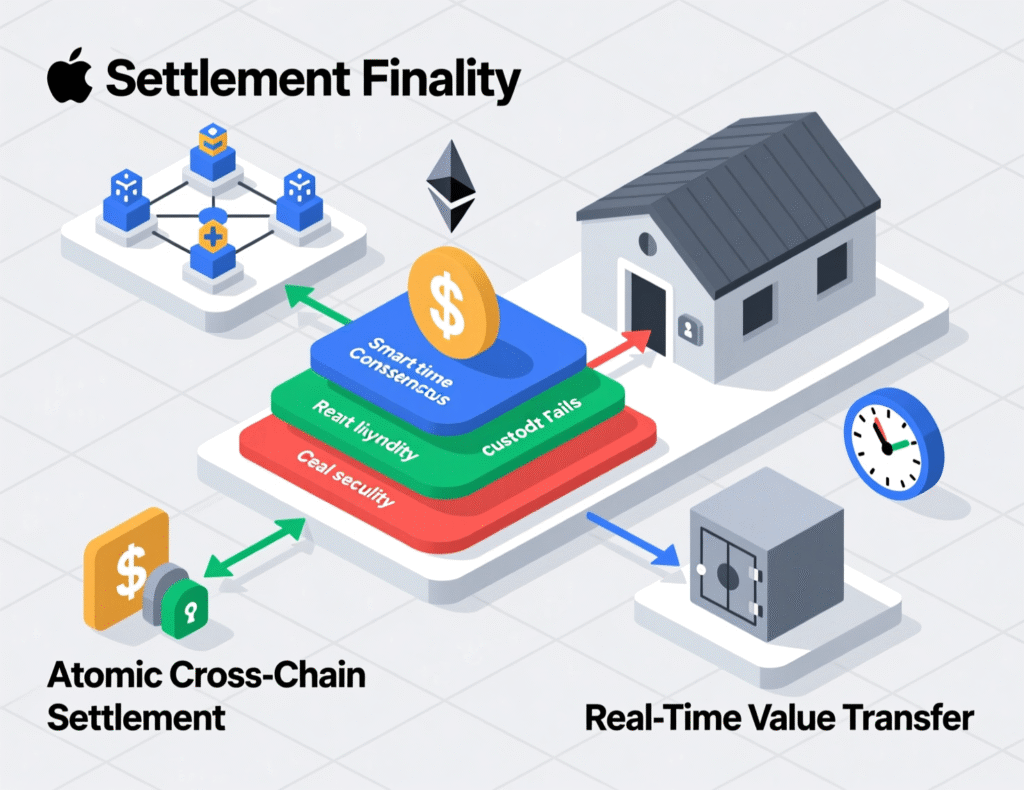
Regulations: what changed and why it helps adoption
European Union (MiCA)
Since June 30, 2024, Titles III/IV of MiCA governing e-money tokens (EMTs) and asset-referenced tokens (ARTs) apply. Issuers must be authorized (e.g., as EMIs), meet reserve, disclosure and redemption obligations. In July 2024, Circle obtained an EMI license in France, issuing USDC/EURC in compliance with MiCA—an important confidence boost for corporate treasurers. ESMA/EBA have since issued guidance and Q&As tightening operational clarity through 2025.
United Kingdom
The UK is finalizing a regime for qualifying fiat-backed stablecoins (issuance/custody) via FCA rulemaking under FSMA powers. As of May–Sept 2025 consultations, the FCA clarifies these tokens will be regulated as “money-like” instruments; however, HMT chose not to bring them into the UK payments perimeter yet so payments use will evolve with future legislation.
United States
A federal stablecoin framework remains in progress. The GENIUS Act (S.1582, introduced May 1, 2025) proposes a national regime for payment stablecoins. In parallel, large U.S. payment providers (Visa, Mastercard, PayPal) are moving ahead within existing rules, expanding stablecoin settlement and acceptance.
Bottom line.
Clearer rules in the EU (and emerging clarity elsewhere) make cross-border payments via stablecoins easier to justify with compliance and risk teams.
Case studies: cross-border payments via stablecoins in action
1Visa settlement expansion (2025)
Visa added more USD stablecoins, new blockchains, and EURC to its settlement stack so card issuers/acquirers can settle with Visa using regulated stablecoins across selected networks. That reduces friction in global reconciliation and unlocks programmable settlement windows.
MoneyGram U.S.→Colombia with USDC (2025)
MoneyGram, through a Crossmint wallet inside its app, converts USD to USDC and credits the recipient instantly, minimizing FX timing risk for volatile corridors. This is a direct example of cross-border payments via stablecoins targeting remittance pain points.
PayPal PYUSD on Solana (2024–2025)
PYUSD’s expansion to Solana improves throughput and lowers fees for merchant and P2P flows. Developers now integrate PYUSD where sub-cent fees matter (e.g., micro-payouts). Over $300M PYUSD has been minted on Solana since launch.
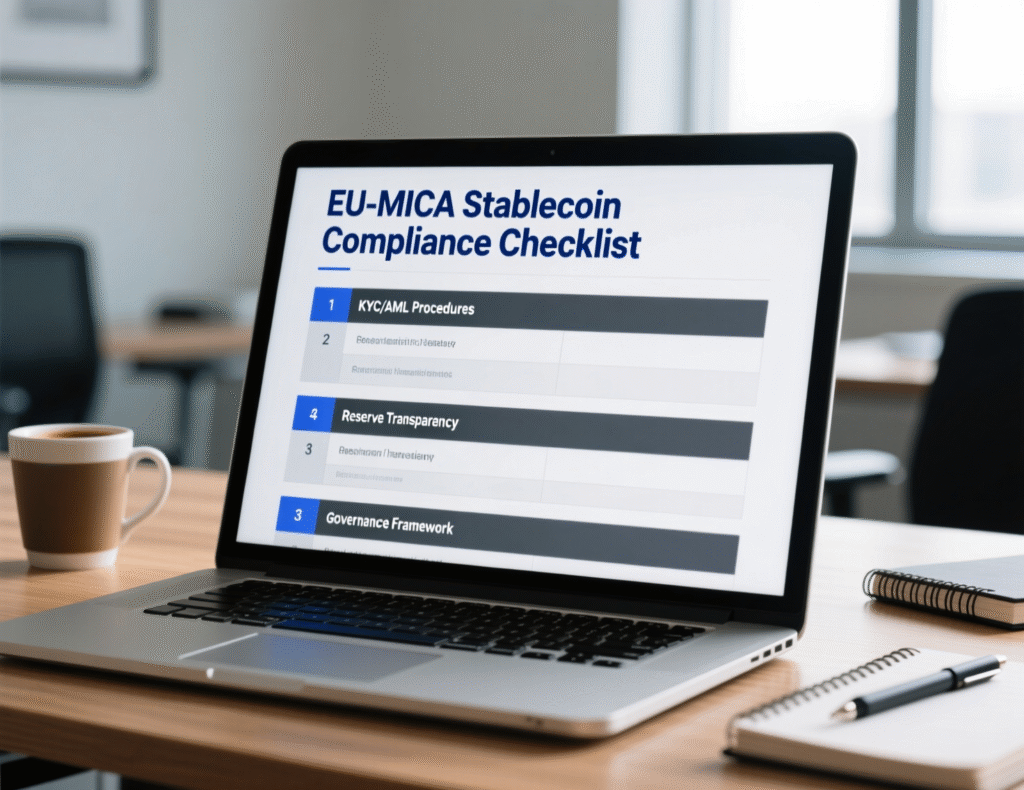
Cost & performance snapshot for decision-makers
Legacy rails
Average global remittance cost 6.49% in Q1 2025; settlement timing = days.Solana
Base fee per signature = 5,000 lamports (fraction of a cent); practical user fees typically remain sub-cent.Ethereum L2s
Data from Dune dashboards show simple sends commonly ~$0.01–$0.05 (time-varying).Operational uptime
Weekend volumes are material, enabling 24/7 treasury ops.Note:
Exchange “withdrawal fees” are not chain fees; they’re platform-set and can be higher. For enterprise use, integrate with regulated issuers/custodians to access true network costs.
Risks & controls (and how to mitigate them)
Regulatory scope & licensing
In the EU, use MiCA-compliant EMTs/ARTs and authorized providers (e.g., EMI issuers). Ensure passporting and CASP engagement where relevant.Counterparty risk at issuance
Prefer issuers with audited reserves and redemption commitments (e.g., USDC/EURC under MiCA authorization). Review monthly attestations and custody arrangements.De-pegging & operational risk
Diversify across issuers/currencies; set circuit-breakers and conversion SLAs.Sanctions/KYC/AML/Travel Rule
Work with VASPs that implement robust compliance; map flows to local KYC/AML obligations. (ESMA statements emphasize refraining from services on non-compliant tokens inside the EU.)Accounting & tax
Treat stablecoins as cash equivalents only if your auditor agrees; many firms book them as digital assets. Align policy with your auditor and jurisdictional rules.
How to implement cross-border payments via stablecoins (step-by-step)
Define corridors & KPIs:
E.g., U.S.→LATAM supplier payouts; KPIs: T+0 settlement, <0.25% total cost, 99.9% success.
Select compliant rails & issuers:
Use USDC/EURC under MiCA for EU flows; add PYUSD where PayPal acceptance helps.
Pick networks per corridor:
Solana for micro-payouts; Stellar for FX and cash ramps; Base/Arbitrum for EVM tooling.
Set up custody & treasury:
With a regulated custodian/issuer; segregate hot vs. cold; design mint/redeem flows and rebalancing.
Compliance by design:
KYC your counterparties; screen wallets; enforce Travel Rule where applicable; log audit trails.
Integrate on/off-ramps:
For supplier bank payouts or cash pickup (e.g., MoneyGram Ramps), and card acceptance if relevant (Visa/Mastercard stablecoin acceptance programs).
Pilot, monitor, scale:
Start with a small % of flow; monitor cost, fail rates, FX slippage, and SLA adherence; then scale corridors.
Compliance snapshot by region (2025)
EU:
MiCA in force for stablecoins since June 30, 2024; issuers need authorization, reserves, redemption rights, disclosures, and oversight; guidance continues through 2025. Circle EMI approval is a concrete precedent.UK:
FCA consultations propose regulating issuance & custody first; payments perimeter pending future HMT action. Firms should plan dual permissions where activities overlap.US:
Federal legislation (e.g., GENIUS Act) is proposed; meanwhile, major networks and PSPs are expanding stablecoin capabilities under existing frameworks.
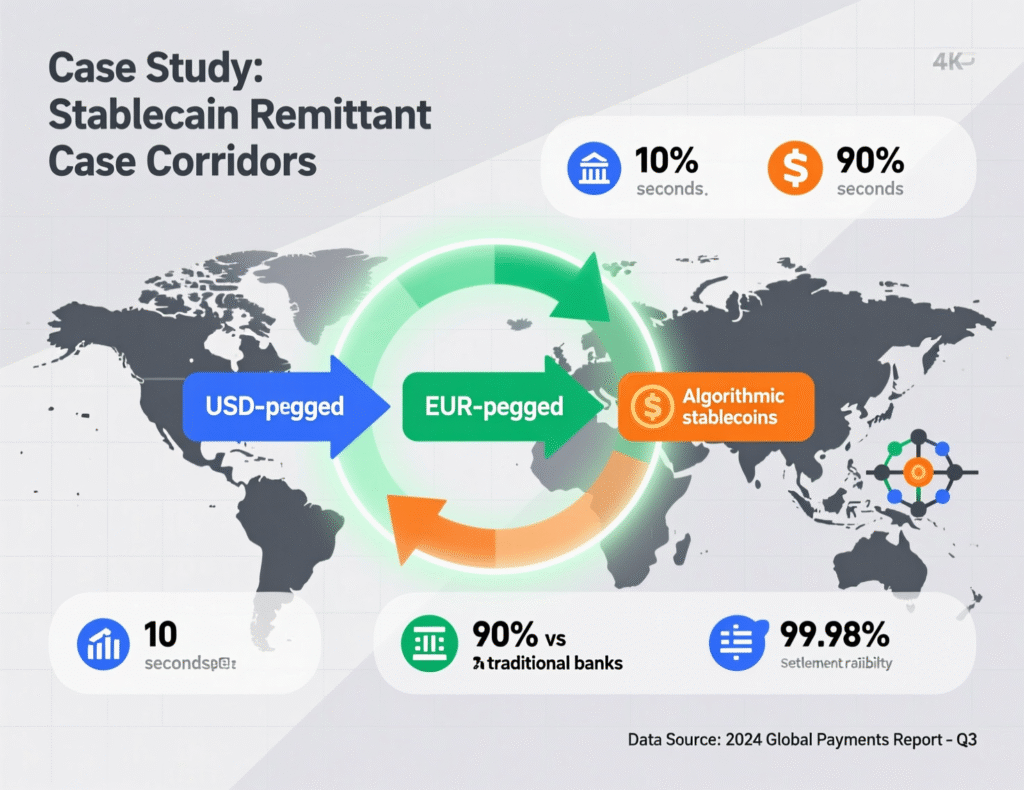

Concluding Remarks
Stablecoins won’t replace every rail, but they excel where speed, transparency and programmability matter. With the EU creating a clear compliance path and major networks operationalizing settlement, cross-border payments via stablecoins now present a credible, board-level option to reduce costs and unlock new products. Start targeted pilots in one or two corridors, quantify the delta in cost and time, and scale deliberately with compliance.
CTA: Ready to scope a pilot for cross-border payments via stablecoins? Shortlist your corridors and I’ll map the ideal issuer, network, off-ramp, and controls for a 90-day rollout.
FAQs
Q : How do cross-border payments via stablecoins reduce fees?
A : They avoid multiple correspondent banks and batch windows. On modern chains, base network fees can be pennies or less (e.g., Solana), compared to remittance averages of 6.49%. Provider withdrawal fees are separate; enterprise integrations can access true network costs.
Q : How fast are cross-border payments via stablecoins?
A : Typically seconds to minutes and 24/7, including weekends. Visa’s on-chain data show meaningful weekend volumes, highlighting always-on settlement behavior.
Q : How does MiCA affect cross-border payments via stablecoins in the EU?
A : Since June 30, 2024, fiat-backed stablecoins (EMTs) must be issued by authorized institutions with reserves, disclosures, and redemption rights—boosting confidence for corporate use.
Q : What chains are best for cross-border payments via stablecoins?
A : Solana (low fees), Stellar (remittance ramps), and Ethereum L2s (developer tooling). Choose per corridor, wallet ecosystem, and compliance needs.
Q : How can we cash out recipients during cross-border payments via stablecoins?
A : Use regulated off-ramps and partners such as MoneyGram Ramps for cash pickup or bank payouts; availability varies by country.
Q: How do we manage accounting for cross-border payments via stablecoins?
A : Policies vary. Many auditors treat them as digital assets, not cash equivalents. Align classification, valuation, and controls with your auditor and jurisdiction.
Q : How do we mitigate de-peg risk in cross-border payments via stablecoins?
A : Favor regulated issuers (e.g., MiCA-authorized), diversify across USD/EUR tokens, set SLAs and circuit breakers, and keep redemption lines open.
Q : How do card networks intersect with cross-border payments via stablecoins?
A : Visa and Mastercard are adding stablecoin settlement/acceptance capabilities, bridging wallets and merchants and simplifying treasury ops.
Q : What’s the realistic ROI?
A : Pilots often show dramatic time savings and meaningful fee reductions versus legacy corridor costs, especially in high-spread FX markets. Validate by running a 90-day corridor test with clear KPIs.