
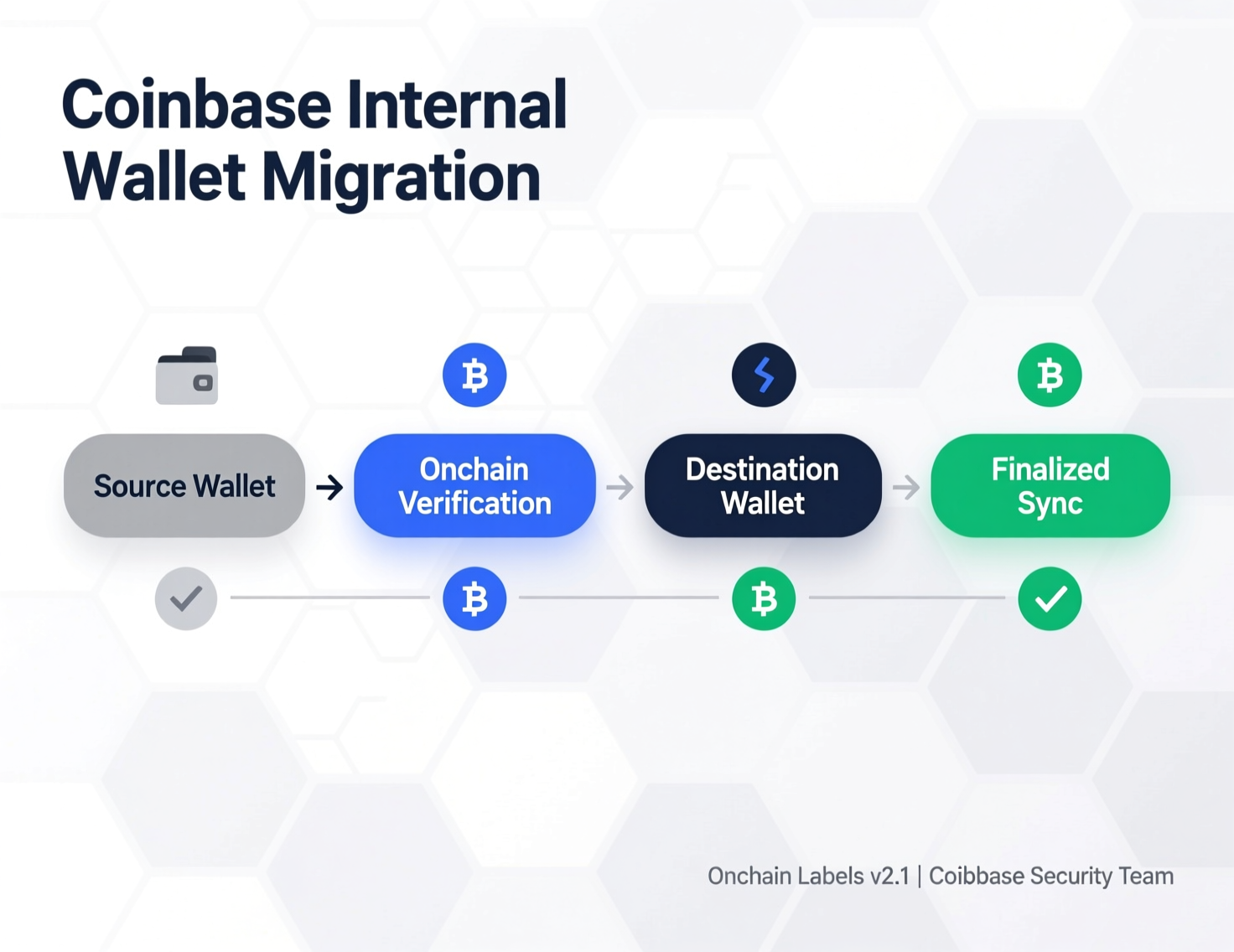

Coinbase crypto exchange executes internal wallet migration
Coinbase has carried out a significant, pre-planned transfer of crypto assets as part of its routine security protocols. According to the exchange, this internal wallet migration is designed to refresh and reorganize storage addresses, ensuring that publicly known wallets are not used for extended periods. Such periodic shifts are considered an industry best practice, helping reduce potential vulnerabilities that might arise from long-term exposure.
The company also clarified that the movement of funds has no connection to any security breach, unusual activity, or market-driven concerns. Coinbase stressed that these migrations are operational in nature and executed to maintain the highest standards of asset safety. By rotating wallets and redistributing holdings, the exchange aims to uphold a more secure and resilient infrastructure for its users.
Why exchanges rotate wallets
Periodic address rotation limits the time any single, publicly known wallet remains associated with substantial balances. Coinbase has publicly documented large, behind-the-scenes migrations in prior years to illustrate its operational security approach and reduce customer confusion during visible on-chain movements. Coinbase
Coinbase internal wallet migration: what’s changing
During the operation, token balances are being moved on-chain from older Coinbase wallets to other Coinbase-controlled wallets. Many of these addresses are already labeled by blockchain explorers and third-party intelligence platforms, allowing observers to verify that funds remain under Coinbase custody rather than moving to external parties.
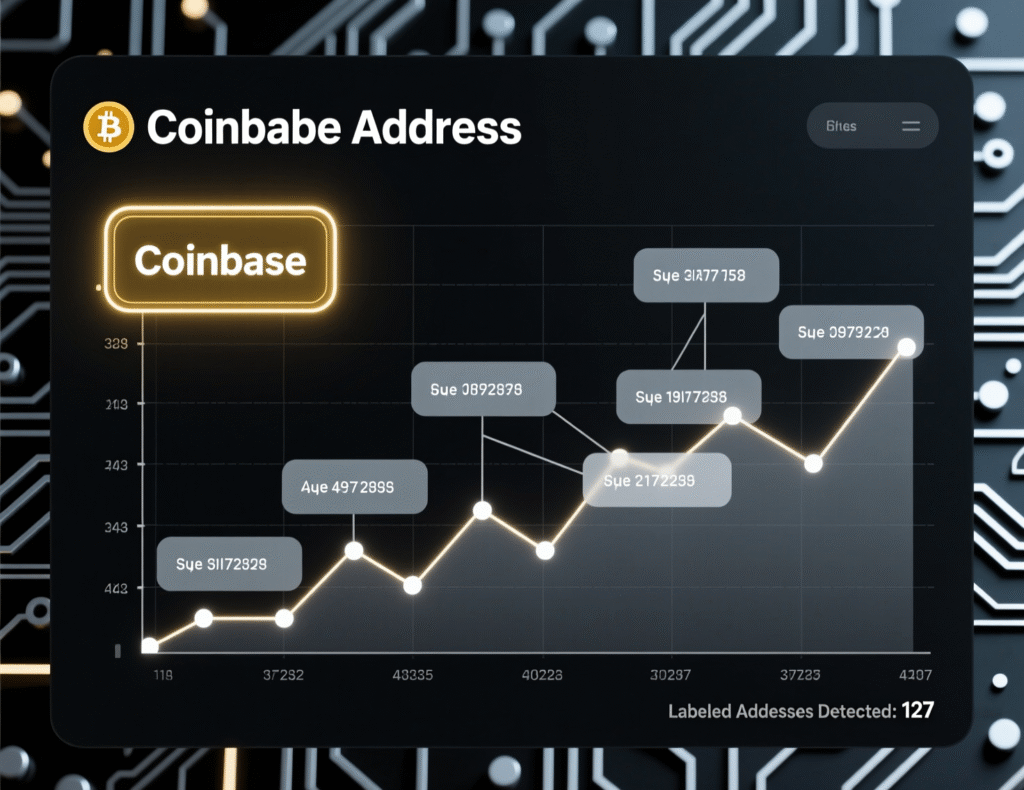
Coinbase internal wallet migration and user impact
No action required for customers
Deposits, withdrawals, and trading should continue normally unless Coinbase issues specific maintenance notices.
Ownership does not change
Funds are transferred between wallets controlled by Coinbase, not to third parties.
Visibility on-chain
Large transfers may appear across multiple networks but remain traceable to Coinbase-labeled entities.
Scam risks and official guidance
Wallet migrations can create openings for social-engineering attempts. Coinbase warns that it never asks for passwords, 2FA codes, API keys, or to move assets to “safe” wallets. Customers should hang up on unsolicited callers, ignore links from unknown senders, and report suspected phishing.
Recent phishing trends abusing “migration” language
Security researchers have tracked mass phishing campaigns that impersonate Coinbase and pressure users to set up “new wallets” or enter seed phrases sometimes claiming a “mandatory migration.” These are scams and not connected to Coinbase’s internal operations.
Best-practice context
Coinbase has previously discussed operational migrations and security design principles such as minimizing secrets exposure and building repeatable migration processes underscoring that large, coordinated moves can be routine in exchange operations.
Context & Analysis
Large exchanges periodically rebalance and rotate custody addresses to segment risk, maintain operational privacy, and streamline internal accounting. Observers may see temporary spikes in on-chain volume; however, labeled-address tracking helps confirm that transfers remain within Coinbase’s control. Separate news this year about social-engineering incidents highlights why exchanges pair operational changes with strong scam-prevention messaging.

Conclusion
Coinbase’s latest wallet migration is simply a routine part of its ongoing security practices and not a reaction to any breach or system issue. The exchange regularly rotates addresses to reduce exposure and maintain strong protection for user assets. These internal updates are planned in advance and do not require customer involvement.
However, users should stay cautious about potential scams that may misuse the term “migration” to impersonate Coinbase. Fraudsters often exploit such events to trick individuals into sharing sensitive information or approving fake transactions. Customers are advised to verify all communications and avoid engaging with unsolicited requests.
FAQs
Q : Does this mean Coinbase was hacked?
A : No. Coinbase states the migration is planned security hygiene and not a response to a breach.
Q : Will my account or balances change?
A : No. Funds move between Coinbase-controlled wallets; customer balances are unaffected.
Q : How can I verify movements?
A : Use reputable explorers or intelligence platforms that label Coinbase addresses to see funds remain under Coinbase control.
Q : What scams should I watch for?
A : Imposters may claim you must “migrate” or “move to a safe wallet.” Coinbase will never ask for passwords, 2FA, or to transfer funds.
Q : Is there a mandatory wallet change for users?
A : No. The Coinbase internal wallet migration is an internal custody operation; customers do not need to change wallets.
Q : Why do exchanges rotate addresses?
A : To reduce exposure of publicly known wallets and improve operational security. Prior Coinbase posts describe these practices.
Facts
Event
Coinbase executes planned internal wallet migration (on-chain rotation of exchange-controlled addresses).Date/Time
2025-11-22T12:00:00+05:00Entities
Coinbase Global, Inc. (Coinbase); Arkham Intelligence (blockchain analytics platform).Figures:
Not disclosed at time of writing; transfers visible across Coinbase-labeled addresses.Quotes
“Migrating wallets periodically is a well-accepted best practice… This is not in response to a data breach incident or external threat.” Coinbase (company statement provided to media).Sources Coinbase blog (anti-imposter guidance) https://www.coinbase.com/blog/protecting-our-customers-standing-up-to-extortionists
Arkham Intelligence (Coinbase entity page) https://intel.arkm.com/explorer/entity/coinbase