
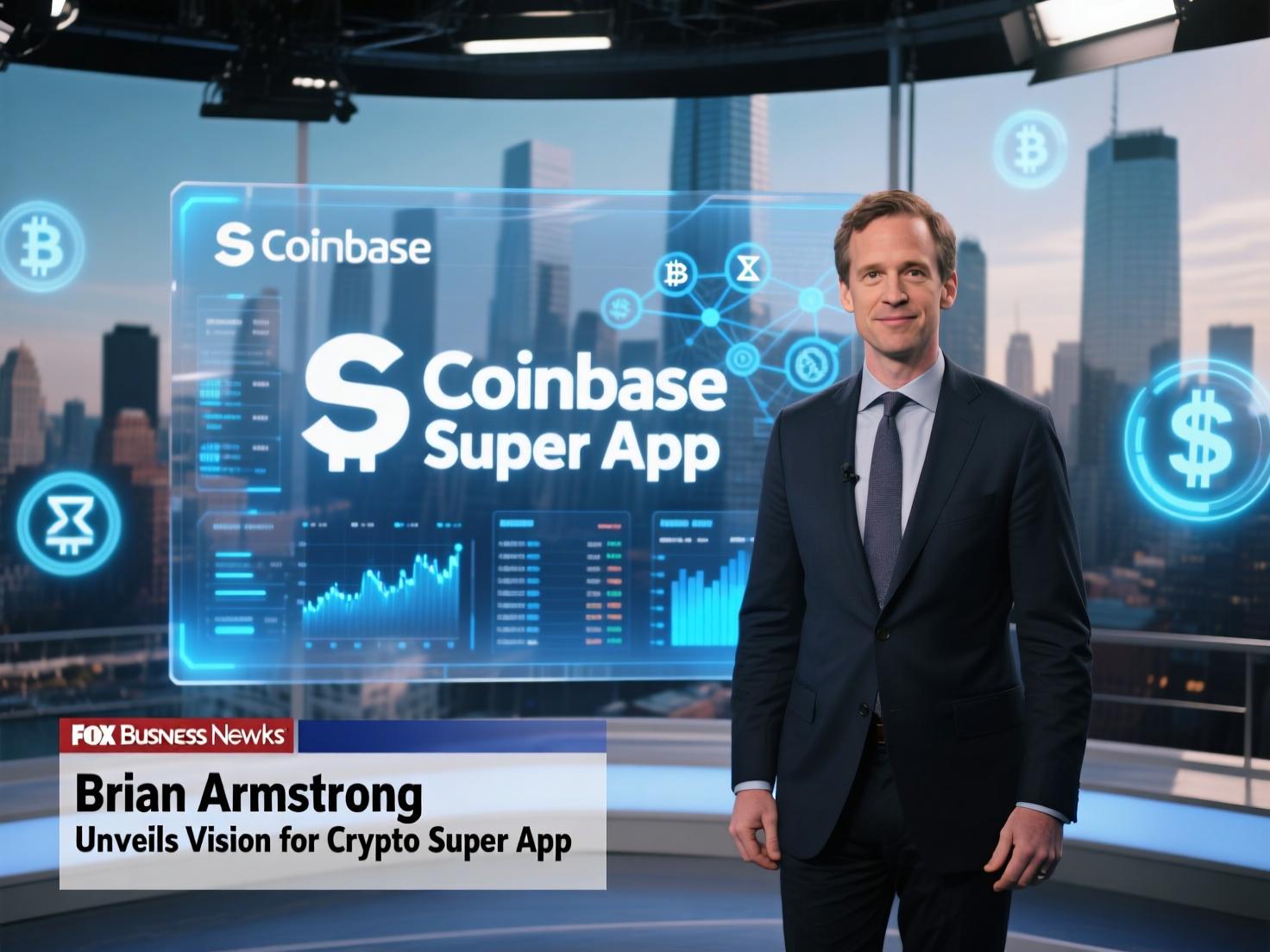

Coinbase CEO sets sights on replacing banks with crypto super app
Coinbase is moving closer to its vision of becoming a full-scale crypto super app. In a recent Fox Business interview, CEO Brian Armstrong revealed plans for Coinbase to serve as users’ primary financial account. The company aims to expand beyond trading into payments, debit cards, and Bitcoin rewards, effectively positioning its crypto infrastructure to rival traditional banking services. Armstrong emphasized that this evolution could make Coinbase the central hub for both retail and everyday financial activity.
Meanwhile, the broader industry is seeing a wave of institutional momentum. Custody provider BitGo has officially filed for a U.S. IPO, a move that highlights the increasing demand for secure, regulated digital asset services. Together, these developments signal how both retail and institutional players are driving crypto deeper into the mainstream financial system.
Coinbase’s vision to “replace banks”
Armstrong said Coinbase aims to be a full-service super app, with payments, credit cards and rewards“Ultimately, we want to be a bank replacement for people.” He criticized legacy swipe fees of 2–3%, arguing internet-native payments should cost far less. Fox Business
What the Coinbase crypto super app would include
Payments & transfers
On crypto rails aimed at lower fees and faster settlement.Credit card
On the American Express network, offering up to 4% back in Bitcoin (tiered by assets held on Coinbase).On-chain yield access
Coinbase is integrating Morpho lending into the app so USDC holders can lend directly without separate DeFi UIs; yields have recently printed ~10.8% but are variable and risk-dependent.
Why the Coinbase crypto super app targets bank functions
Recent U.S. policy momentum especially the GENIUS Act stablecoin law has clarified rules for payment stablecoins (1:1 reserves, disclosures) while banning issuers from paying interest to holders. Exchanges’ DeFi integrations are now in focus as banks argue they create a “yield workaround,” a claim Coinbase disputes as a modernization of payments rather than deposit-taking.
BitGo files for NYSE listing as custody race heats up
Crypto custodian BitGo Holdings, Inc. filed a Form S-1 to list Class A common stock on the NYSE under ticker BTGO. BitGo reported ~$90.3B in Assets on Platform as of June 30, 2025, supports 1,400+ digital assets, and serves institutions and governments globally, highlighting rising institutional demand for regulated digital-asset infrastructure.

Market context and regulation
With spot-crypto ETFs expanding and stablecoin rules firming up, institutions are pushing deeper into custody and tokenized finance. Coinbase’s card/wallet ecosystem and BitGo’s IPO move underscore a shift from pure trading toward full-stack financial services on crypto rails.
<section id=”howto”> <h3>How to get early access to Coinbase’s Bitcoin-rewards card</h3> <ol> <li id=”step1″><strong>Step 1:</strong> Visit Coinbase’s credit card page and select “Get early access.” :contentReference[oaicite:14]{index=14}</li> <li id=”step2″><strong>Step 2:</strong> Sign in to your Coinbase account (or create one) and join the waitlist.</li> <li id=”step3″><strong>Step 3:</strong> Review eligibility, rate tiers (2–4% BTC back), and applicable terms. :contentReference[oaicite:15]{index=15}</li> <li id=”step4″><strong>Step 4:</strong> Confirm your preferences (shipping, notifications) and submit.</li> <li id=”step5″><strong>Step 5:</strong> Watch for email/app updates about activation and enrollment windows. </li> </ol> <p><em>Note: Rewards rates and access can vary; see issuer and network terms before applying.</em></p> </section>
Context & Analysis
Analysis: Coinbase’s “super app” push and BitGo’s IPO filing show the infrastructure phase of crypto payments, custody, and compliance taking center stage. The GENIUS Act’s prohibition on issuer-paid interest may funnel demand into on-chain lending via third-party protocols, intensifying the policy debate over how “bank-like” crypto platforms should be. Expect more bank-crypto partnerships (cards, payments, custody) and competitive pressure on interchange and cross-border fees.

Conclusion
If Coinbase delivers on its crypto super app vision and BitGo moves ahead with a successful U.S. listing, the gap between banks and crypto platforms will narrow even further. Areas like cards, payments, and custody could become the core battleground where traditional finance and digital asset firms directly compete.
Looking ahead, regulatory clarity will play a decisive role in shaping this landscape. The final GENIUS Act rulemaking, new interpretations around stablecoin yields, and shifting IPO market dynamics will all influence how quickly these ambitions materialize and how strongly crypto firms position themselves against established financial institutions.
FAQs
Q : What did Brian Armstrong say about Coinbase replacing banks?
A : He said Coinbase wants to be a bank replacement with a super app that becomes users’ primary financial account.
Q : When will the Coinbase card with Bitcoin rewards be available?
A : Coinbase says the Coinbase One Card is launching on the American Express network with up to 4% BTC back starting fall 2025.
Q : How does DeFi lending via Morpho work in the Coinbase app?
A : Users can lend USDC through an in-app Morpho integration to seek variable on-chain yields (recently ~10.8%), with protocol and market risks.
Q : Does the GENIUS Act allow interest on stablecoins?
A : No. The law prohibits issuers from paying interest or yield to stablecoin holders, a point driving debate over third-party yield routes.
Q : What is BitGo’s IPO plan?
A : BitGo filed a Form S-1 to list on the NYSE under BTGO, reporting ~$90.3B in assets on platform as of June 30, 2025.
Q : Is Coinbase already a bank?
A : No. Coinbase is a regulated crypto platform; its super app aims to replicate banking-like services (payments, card, rewards) on crypto rails.
Q : What is the Coinbase crypto super app in simple terms?
A : It’s Coinbase’s plan to bundle payments, card, rewards, and on-chain finance into one app to serve as a primary financial account.