


Bitcoin’s drop drags DeFi and altcoins, again
Despite the explosion of new tokens and wider institutional on-ramps, crypto markets continue to trade in near lockstep with bitcoin. The latest sell-off reinforced this dynamic, as correlations spiked and price action across the ecosystem followed BTC lower. Smart-contract platforms, layer-2s, gaming tokens, and even defensive narratives failed to decouple, suggesting that liquidity and risk sentiment still flow through a single dominant benchmark rather than sector-specific fundamentals.
For crypto-native portfolios, this convergence limits diversification benefits and magnifies drawdowns during stress. Portfolio construction remains highly sensitive to macro shifts, leverage cycles, and bitcoin’s positioning, regardless of thematic exposure. Until correlations structurally break, risk management may matter more than token selection, with cash buffers, hedging, and timing playing a larger role than chasing narrative-driven alpha, especially in volatile, liquidity-driven market regimes today.
Bitcoin’s slide, everyone’s problem
Bitcoin’s retreat toward the mid-$70,000s has coincided with broad declines across CoinDesk sector indices (DeFi, smart contracts, computing), many down mid-teens to mid-20% YTD. That pattern echoes prior cycles: BTC direction sets the tone; altcoins amplify it.
Why the crypto market moves in lockstep with bitcoin
Dominance gravity
BTC’s market-cap share remains near/above 50%, so index and ETF flows concentrate in BTC first.
Liquidity hub
BTC pairs anchor exchange liquidity; when funding tightens, traders shed peripheral risk first yet prices still correlate.
Narrative primacy
BTC retains “macro” status (digital gold/benchmark), making it the primary signal for risk-on/off in digital assets.
Revenue doesn’t guarantee resilience
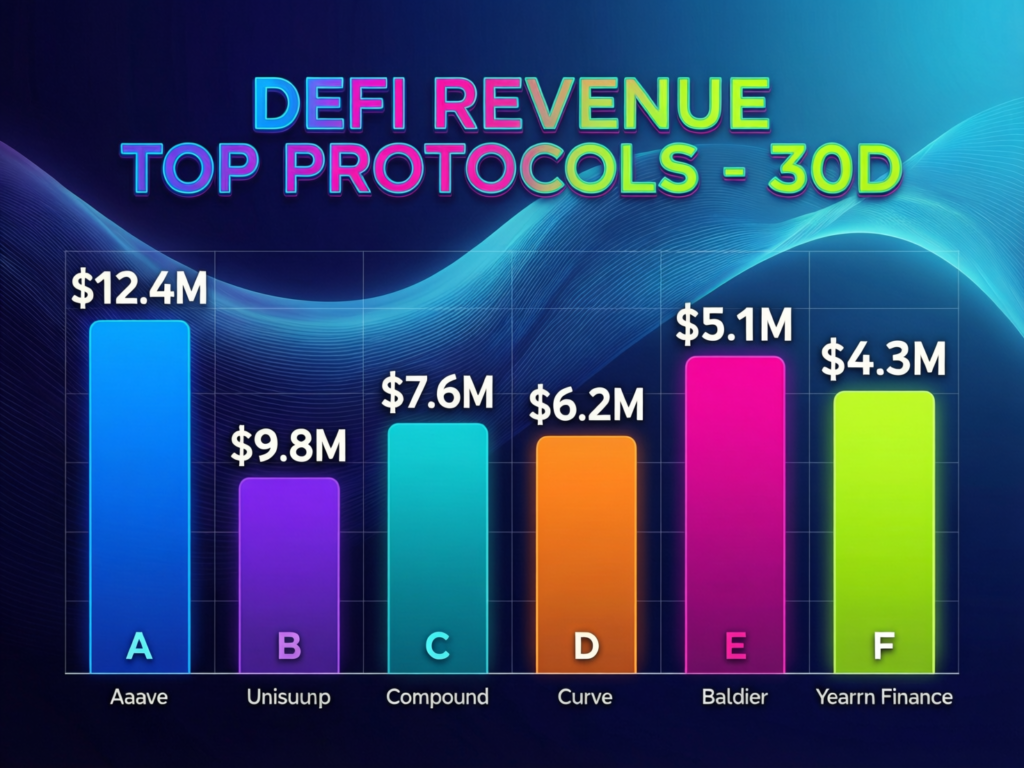
Even protocols with real, recurring revenue struggled to buck the tape. Data from DefiLlama show top earners over the past month include Hyperliquid, Pump, Jupiter, Aerodrome and Base; yet most related tokens fell alongside BTC, with Hyperliquid’s HYPE a rare outperformer.
“The jokers that run this industry will keep telling you that BTC, ETH and SOL are the ‘safe haven majors’ meanwhile the only things that make any money in downturns are $HYPE, $PUMP, $AAVE, $AERO and some other DeFi protocols,” said Jeff Dorman of Arca on X, arguing crypto needs true defensive sectors.
Stablecoins: crypto’s defensive allocation
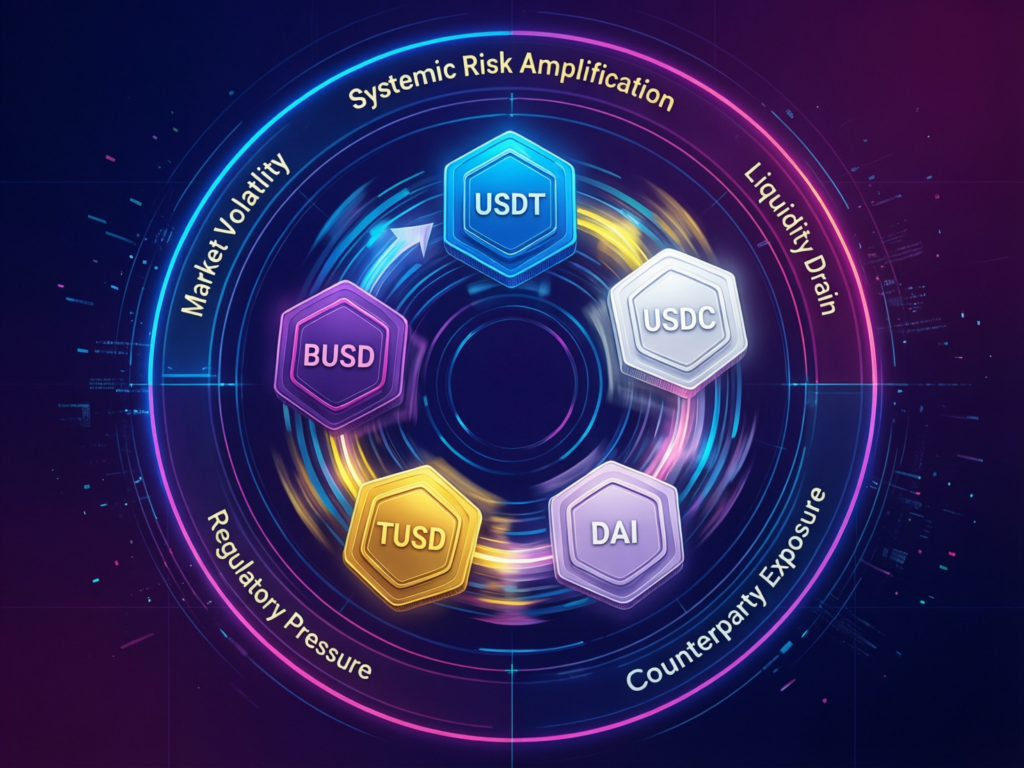
Stablecoins let traders flip to neutral in seconds, replacing the “stay invested” constraint of equities. That accelerates risk-off flows during BTC drawdowns and keeps correlations high. As Markus Thielen notes, stablecoin growth and positioning dynamics shape cycle turns and defense.
ETFs, institutions and a more concentrated market
Spot BTC ETFs and institutional adoption reinforced a BTC-centric market structure. BTC’s dominance has held above 50% for extended stretches since 2024–2025, and recent weakness hasn’t changed that. For now, meaningful decoupling remains unlikely.
Crypto market moves in lockstep with bitcoin: can anything break it?
Establishing agreed “defensive” buckets (e.g., cash-flowing DeFi) could help if exchanges, analysts and funds promote them consistently.
Until then, flows will likely cluster in BTC on both risk-on and risk-off days.
Context & Analysis
The latest leg lower, confirmed by mainstream market coverage, shows BTC’s “benchmark” role intact even as on-chain businesses mature. Defensive behavior clusters in stablecoins rather than cash-flowing tokens because stablecoins offer immediate, low-friction risk reduction. Without sector standards and index adoption that reward fundamentals, correlations are likely to remain elevated.
Bottom Lines
Bitcoin continues to act as the crypto market’s center of gravity, anchoring both sentiment and liquidity. Until the ecosystem develops truly defensive sectors that consistently protect capital during drawdowns, most assets will remain tightly correlated with BTC. Narratives may change, but in periods of stress, capital still rotates around bitcoin rather than into sector-specific safe havens.
As long as investors and institutions fail to treat any crypto sector as genuinely defensive, market behavior is unlikely to shift. In this environment, the broader crypto market will continue moving in near lockstep with bitcoin, while stablecoins remain the most practical and reliable hedge for managing downside risk.
FAQs
Q : Why does the crypto market move with BTC?
A : BTC sets liquidity and narrative; capital flows concentrate there, pulling altcoins along.
Q : Has BTC dominance stayed above 50% since ETFs launched?
A : It has hovered around/above 50% for long stretches since 2024–2025.
Q : Did revenue-generating DeFi tokens hold up?
A : Mostly not; HYPE was a rare outlier amid broad declines.
Q : What’s the defensive allocation in crypto?
A : Stablecoins fast to rotate into during selloffs.
Q : Can diversification work with altcoins alone?
A : Historically limited during BTC drawdowns; correlations spike and sector indices fall together.
Q : Which majors sometimes look more defensive?
A : Behavior varies by cycle; some analysis has pointed to BNB or TRX at times, but correlations remain high overall. (General observation; verify live data.)
Q : How can investors evaluate their own correlations?
A : Use multi-window correlation checks, monitor dominance and stablecoin supply, and stress-test scenarios.
Facts
Event
Broad crypto drawdown reveals persistent BTC-led correlationsDate/Time
2026-02-02T12:00:00+05:00Entities
CoinDesk; CoinMarketCap; DefiLlama; Financial TimesFigures
BTC dominance ≈59% (share of crypto market cap); BTC trading mid-$70Ks as of Jan 31–Feb 2, 2026; multiple sector indices down ~15–25% YTD (per CoinDesk coverage).Quotes
“Stablecoins allow investors to shift quickly … effectively serving as the defensive allocation.” Markus Thielen.Sources:
CoinDesk report; CoinMarketCap dominance data; DefiLlama protocol revenue pages; Financial Times market update.