

Bitcoin quantum threat 2028: Capriole says sub-$50K risk without upgrade
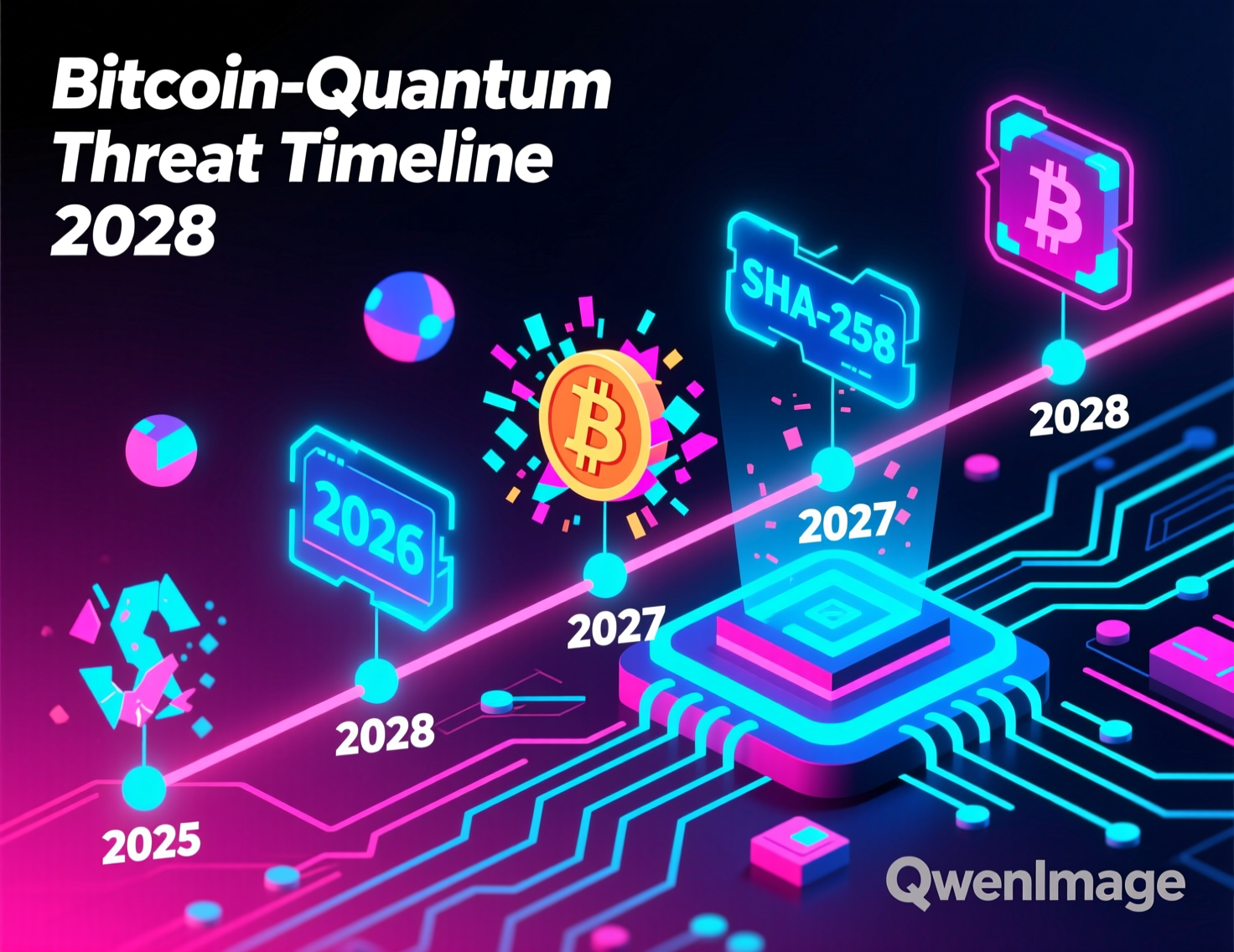
Charles Edwards, founder of Capriole, warned that Bitcoin could fall “well under $50,000” if the network does not become quantum-resistant by 2028 a timeline he says requires beginning a patch rollout in 2026.
The Bitcoin quantum threat 2028 warning comes amid broader industry efforts to adopt post-quantum cryptography (PQC).
Why the Bitcoin quantum threat 2028 warning matters
In posts on X, Edwards argued that quantum-capable adversaries could reveal user keys and enable theft by breaking elliptic-curve cryptography (ECC), urging core developers and the community to prioritize a PQC upgrade. He contends traditional finance is already migrating to PQC and can reverse fraudulent transfers, while Bitcoin’s finality makes it a more attractive first target.
The warning lands as the U.S. National Institute of Standards and Technology (NIST) has finalized three PQC standards ML-KEM (CRYSTALS-Kyber) for key encapsulation and ML-DSA (CRYSTALS-Dilithium) and SPHINCS+ for signatures with FALCON in development. These standards are intended to replace RSA/ECC where quantum risk is material, underscoring that migration paths now exist.
Market scenarios if the Bitcoin quantum threat 2028 is not addressed
Edwards suggests a failure to deploy a fix by 2028 could produce a deep, extended bear market, potentially driving BTC “sub-$50K” until the network is upgraded. He characterizes inaction as risking “the biggest Bitcoin bear market in history.”
Counter-arguments and temporary mitigations
Skeptics including Michael Saylor say the threat is overblown, arguing that cryptography used throughout the global economy will not be left vulnerable and that upgrades can be introduced when the threat becomes imminent. CryptoSlate
Independently, analyst Willy Woo has advised holders to move coins to SegWit addresses and keep them there for roughly seven years, noting SegWit hides public keys until coins are spent buying time while the protocol evolves. This is a mitigation, not a substitute for a protocol-level transition.

Implementation options and timelines
Soft-fork with hybrid signatures
Introduce PQC-compatible outputs (e.g., Dilithium or SPHINCS+) alongside current ECDSA/Schnorr signatures to allow gradual opt-in and migration paths. (General approach aligned with NIST PQC.)
Address formats & wallets
Define new address types, update hardware/software wallets, and ensure backward compatibility and fee efficiency. (Industry playbook mirrors broader PQC migrations.)
Operational sequencing
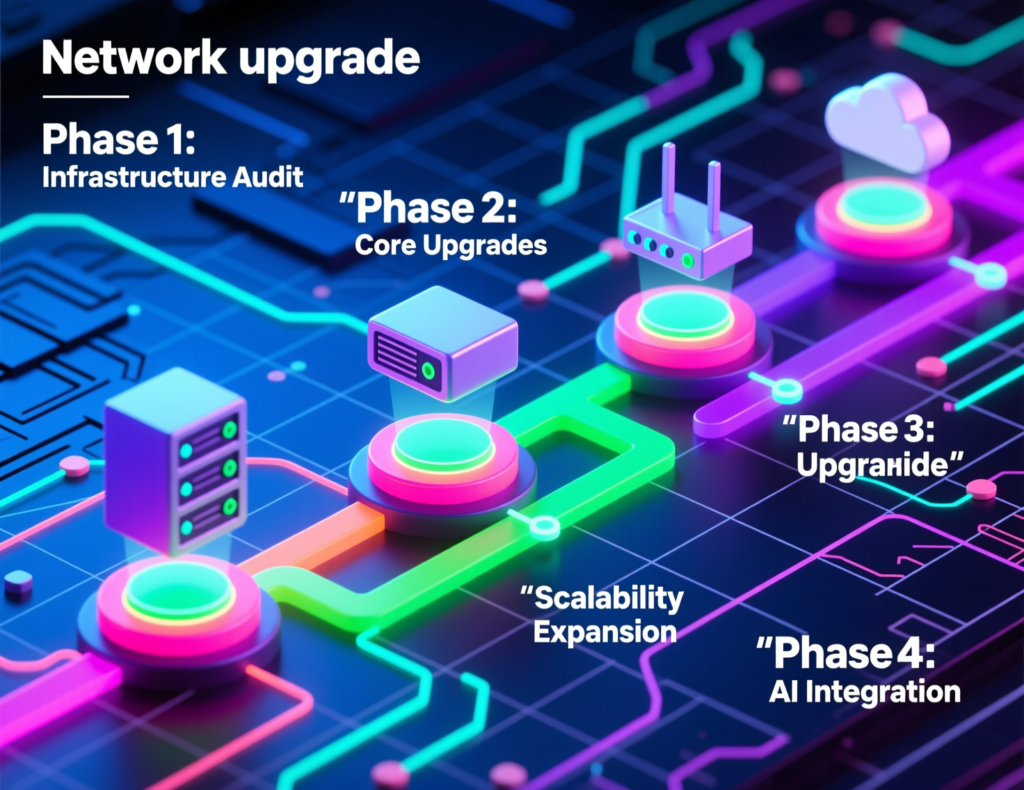
Testnet trials → phased mainnet activation → incentives for early migration to quantum-safe outputs.
Context & Analysis
Many researchers place “cryptanalytically relevant” quantum computers at least several years away, but governments and enterprises are already transitioning due to “harvest-now, decrypt-later” risks. Google’s 2024 “Willow” quantum chip, for example, did not alter the broad timeline for breaking modern cryptography, yet the migration continues. For Bitcoin, prudent planning could de-risk tail events without compromising decentralization.
Conclusion
Edwards’s call sets a clear and urgent timeline for action. He urges the industry to begin rolling out a quantum-resistant strategy by 2026, warning that delays could expose markets to serious security and confidence risks by 2028. The message is simple: preparation must start early to avoid disruptive consequences later.
Whether Bitcoin follows this aggressive schedule remains uncertain. If the network treats quantum threats as a distant concern, it may risk undermining user safety and trust. How quickly Bitcoin responds will play a key role in shaping both long-term security and price confidence in the years ahead.
FAQs
Q : What does Capriole warn could happen by 2028?
A : Bitcoin could fall well under $50,000 if it isn’t quantum-resistant by 2028, according to Charles Edwards of Capriole Investments.
Q : Is a quantum-safe upgrade available today?
A : Not fully. NIST has finalized several post-quantum cryptography (PQC) standards—such as Kyber, Dilithium, and SPHINCS+—which provide building blocks, but Bitcoin still requires protocol-level integration to adopt them.
Q : How does SegWit help against quantum attacks?
A : SegWit addresses keep public keys hidden until a transaction is spent. This reduces exposure to potential quantum attacks temporarily, as highlighted by analyst Willy Woo.
Q : What is the community’s counter-view?
A : Some industry figures, including Michael Saylor, believe the quantum threat is exaggerated and can be managed through future Bitcoin upgrades when needed.
Q : When could quantum computers realistically break ECC?
A : Expert opinions vary, but based on current progress—such as Google’s Willow milestone most agree we are still years away from a quantum computer powerful enough to break elliptic curve cryptography (ECC).
Q : Will a PQC upgrade impact fees or performance?
A : Possibly. Any PQC upgrade must balance stronger security with transaction size and verification costs. The exact impact depends on which post-quantum signature schemes and address formats are adopted.
Q : Does this mean Bitcoin is unsafe now?
A : No. There is no known immediate risk. The discussion focuses on reducing long-term tail risk by planning and testing quantum-resistant migrations well in advance.
Facts
Event
Capriole warns of quantum-driven downside risk for Bitcoin without a network upgradeDate/Time
2025-12-17T14:00:00+05:00Entities
Charles Edwards (Capriole), Bitcoin (BTC), NIST, Michael Saylor, Willy WooFigures
Potential BTC “sub-$50K” if no fix by 2028; rollout call for 2026Quotes
“If we haven’t deployed a fix by 2028, I expect Bitcoin will be sub $50K and continue to fall until it’s fixed.” Charles Edwards (via X) TradingViewSources
Cointelegraph/TradingView (news), NIST (standards), CryptoSlate (Saylor), ForkLog (Woo)