
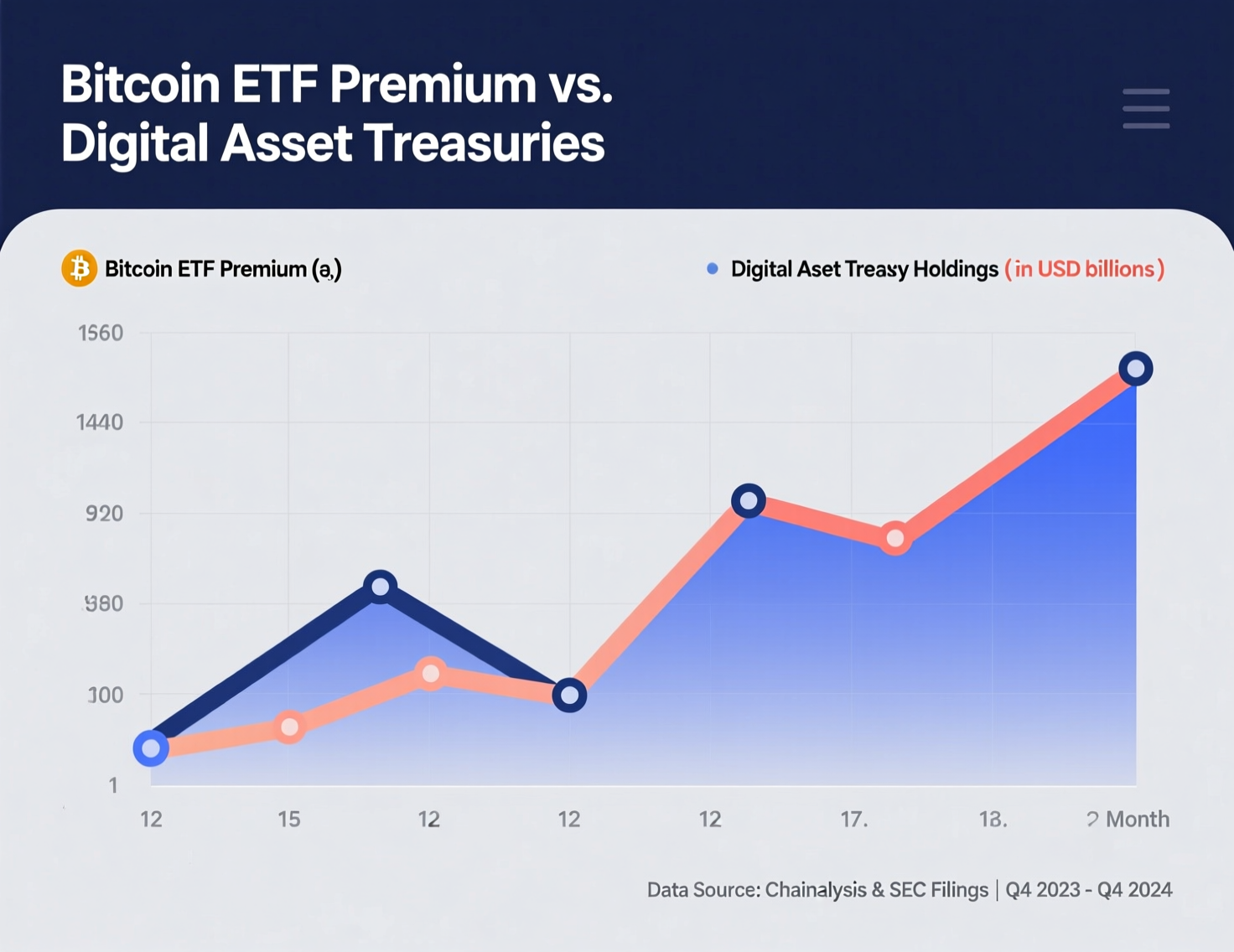

Analysis: DATs Keep Buying Bitcoin, Outperforming ETFs Is the Hard Part
Digital Asset Treasuries (DATs) have emerged as one of 2025’s most talked-about trends in corporate finance, challenging the dominance of Bitcoin ETFs. These vehicles were designed to offer a more “intelligent” and flexible way for firms to gain Bitcoin exposure—using tools like balance-sheet leverage, convertible notes, and premium structures to amplify returns.
However, the reality has fallen short of the hype. Despite their sophisticated design, most DATs have underperformed simple spot Bitcoin holdings and ETFs. High management costs, poor timing on debt issuance, and complex hedging strategies have eroded their supposed advantages. As a result, companies and investors are increasingly questioning whether chasing financial engineering is worth it compared with straightforward BTC exposure through regulated ETFs.
DATs keep buying; beating ETFs is the hard part
Corporate bitcoin ownership is rising quickly. Bitwise’s latest snapshot shows the number of public companies with BTC on balance sheets jumped roughly 38–40% in Q3 2025. But scaling AUM hasn’t consistently translated into stock performance that beats BTC or spot ETFs.
Why the DAT trade is fragile
Galaxy Digital’s research flags a reflexive setup: equity premia over NAV fund more BTC buys, which can widen premia until markets turn. When premia compress or rates rise, the model’s leverage cuts both ways. NYDIG adds that the industry’s “mNAV” shortcut can mislead by treating unconverted convertibles as equity, inflating per-share BTC. Cointelegraph+3Galaxy+3CoinDesk+3
Digital asset treasuries vs bitcoin ETFs in practice
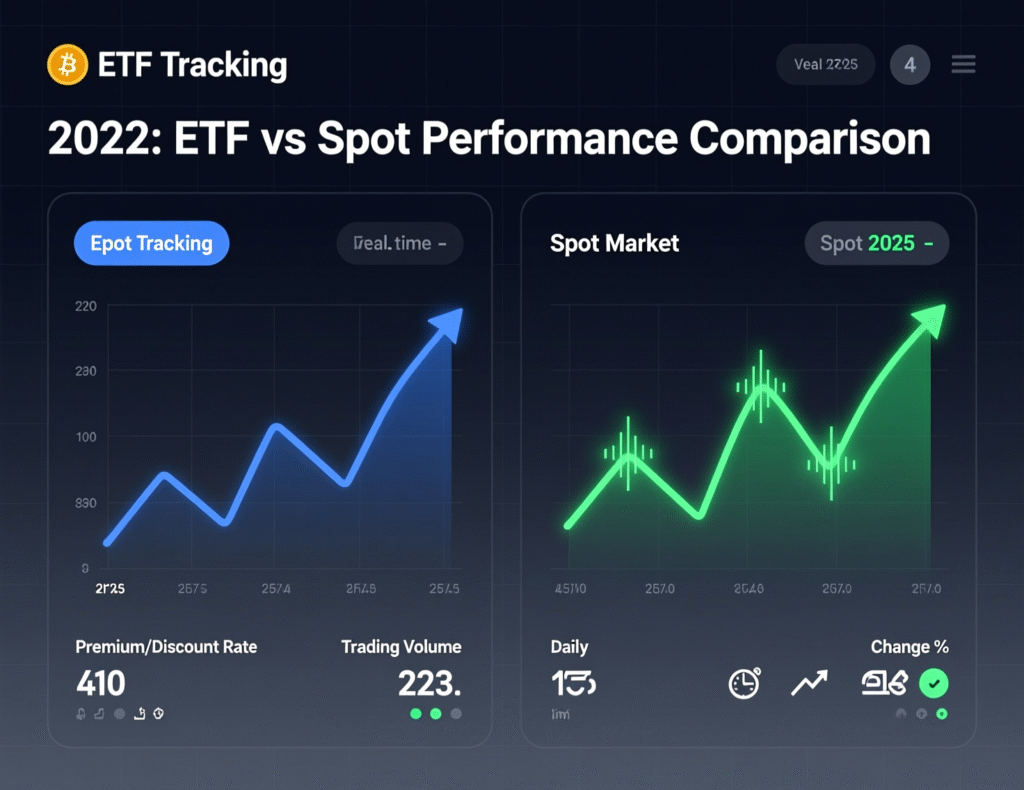
A handful of vehicles such as Twenty One Capital (formed via a Cantor SPAC with backing from Tether and SoftBank) have at times outpaced BTC thanks to scale and financing windows. Meanwhile, others have slipped as share premia narrowed; even high-profile Japanese buyer Metaplanet recently traded near or below its BTC-implied value during volatility.
The debt-and-convert reality
DATs often issue low-coupon convertibles and rely on buoyant equity to keep the flywheel spinning. When stocks weaken, converts don’t magically morph into equity; they remain liabilities that dilute only if conversion is in the money. Market episodes this year underscored how quickly convertible premia and mNAV assumptions can swing.
What the benchmarks say (and why ETFs keep winning)
As of Oct. 15, 2025, bitcoin is up ~21% YTD. Many DATs despite leverage and financial engineering have not kept pace after fees, dilution, and spread decay. Spot ETFs, with transparent holdings and creations/redemptions, have delivered closer-to-spot performance without the balance-sheet complexity.
Context & Analysis
The 2025 DAT boom resembles 1920s investment trusts: success depends on sustaining premia and rolling cheap debt. That can work until it doesn’t. Without durable operating cash flows or true on-chain yield, most DATs remain leveraged BTC proxies. Exceptions that engage directly with network economics (e.g., staking/validation in PoS ecosystems) are still rare in listed form.
Conclusion
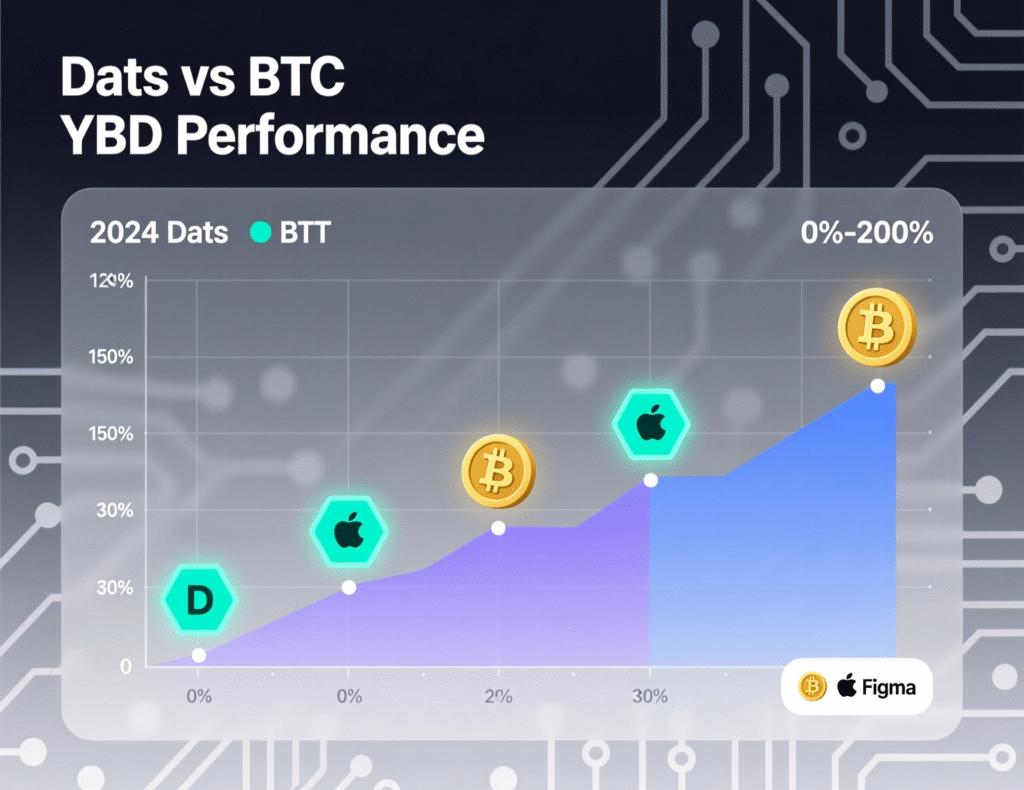
Corporate adoption of Bitcoin is gaining momentum, with more firms exploring digital assets as part of their balance sheets. Yet the challenge remains: few treasuries have managed to generate steady, compounding alpha beyond creative financing or leverage-driven gains.
Until digital asset treasuries prove they can outperform through genuine operational or market insight, the practical option for most investors stays simple. Bitcoin ETFs or direct BTC holdings still provide the cleanest, most cost-effective exposure to the asset, without the complexity or risks tied to financial engineering.
FAQs
Q : What is a Digital Asset Treasury (DAT)?
A : A public company that accumulates crypto (often BTC) on its balance sheet, funded by equity and debt, aiming to outperform bitcoin.
Q : Why do many DATs trail BTC or ETFs?
A : Because their edge depends on premia, converts, and financing that can reverse; fees and dilution also reduce returns.
Q : Which DATs have outperformed in 2025?
A : A few, including Twenty One Capital at certain points; many others have lagged behind.
Q : Is a bitcoin ETF simpler than a DAT?
A: Yes transparent holdings, creations/redemptions, and minimal tracking error make ETFs the cleaner vehicle for most investors.
Q : How does “mNAV” differ from standard NAV?
A : mNAV often assumes future share counts and conversions; NYDIG notes this can overstate per-share BTC and should be discontinued.
Q : Does rate policy matter for DATs?
A : Yes. Higher rates increase financing costs and can shrink premia, pressuring the overall model.
Q : Where does the exact phrase “digital asset treasuries vs bitcoin ETFs” fit?
A : It’s the core comparison investors are focused on this article evaluates that central trade-off.
Facts
Event
Corporate bitcoin treasuries expand; most DATs still lag BTC/ETFs in 2025Date/Time:
2025-10-15T14:45:00+05:00Entities
Galaxy Digital; NYDIG; Bitwise Asset Management; Twenty One Capital; Metaplanet; MicroStrategy (a.k.a. Strategy)Figures
Public-company BTC treasuries +38–40% in Q3; BTC ~21% YTD (as of Oct. 15, 2025). Cointelegraph+2Yahoo Finance+2Quotes
“Just buy an ETF.” Matt Cole, Strive Asset Management CEO (Bitcoin Asia panel, Aug. 2025). CoinDeskSources
Galaxy Digital report; NYDIG mNAV critique; Bitwise corporate adoption snapshot; BTC YTD performance (StatMuse). StatMuse+3Galaxy+3CoinDesk+3