
How to Avoid Rug Pulls in Crypto Fast
A rug pull in crypto is a scam where insiders attract buyers, then drain liquidity, dump their holdings, or use contract controls to trap investors. The safest way to avoid most rug pulls in 2026 is to slow down and check five things before you buy: liquidity lock, holder concentration, sell permissions, audit quality, and whether the team and disclosures are real and verifiable.
The real answer to how to avoid rug pulls in crypto is simple: do not buy a token just because it is trending. Hype moves fast. Good due diligence does not. That matters even more with meme coins and fresh DEX listings, where liquidity, permissions, and wallet concentration can change quickly.
Regulators in the US, UK, and EU continue to warn retail investors about aggressive promotions, fake urgency, and claims that make risky crypto bets sound safe. In practice, the buyers who lose the least are usually the ones who treat every new token like a screening exercise, not a lottery ticket.
What Is a Rug Pull in Crypto?
A rug pull happens when a project team or insiders build demand for a token and then pull value out of it. Sometimes they remove liquidity. Sometimes they dump a huge allocation. Sometimes the contract quietly limits selling or gives insiders too much control.
The result is the same: retail buyers are left holding a token that collapses.
That is different from a classic pump-and-dump, where price is inflated through hype so insiders can sell into the rally, and it is different from a honeypot, where users can buy but struggle or fail to sell because of hidden contract restrictions. The labels can overlap, but the protection strategy changes depending on the mechanism.
Why Rug Pulls Still Catch So Many Buyers
Most people do not get trapped because they never heard of rug pulls. They get trapped because they skip process.
A slick website, a fast-moving Telegram group, and a few influencer posts can create fake confidence in minutes. Chainalysis reported that crypto scams and fraud received at least $14 billion on-chain in 2025, and said that figure could rise as more illicit addresses are identified.
That is why blind early entries are so dangerous. The risk is not just “bad luck.” It is usually missing obvious warning signs before connecting a wallet.
How to Avoid Rug Pulls in Crypto Before You Buy
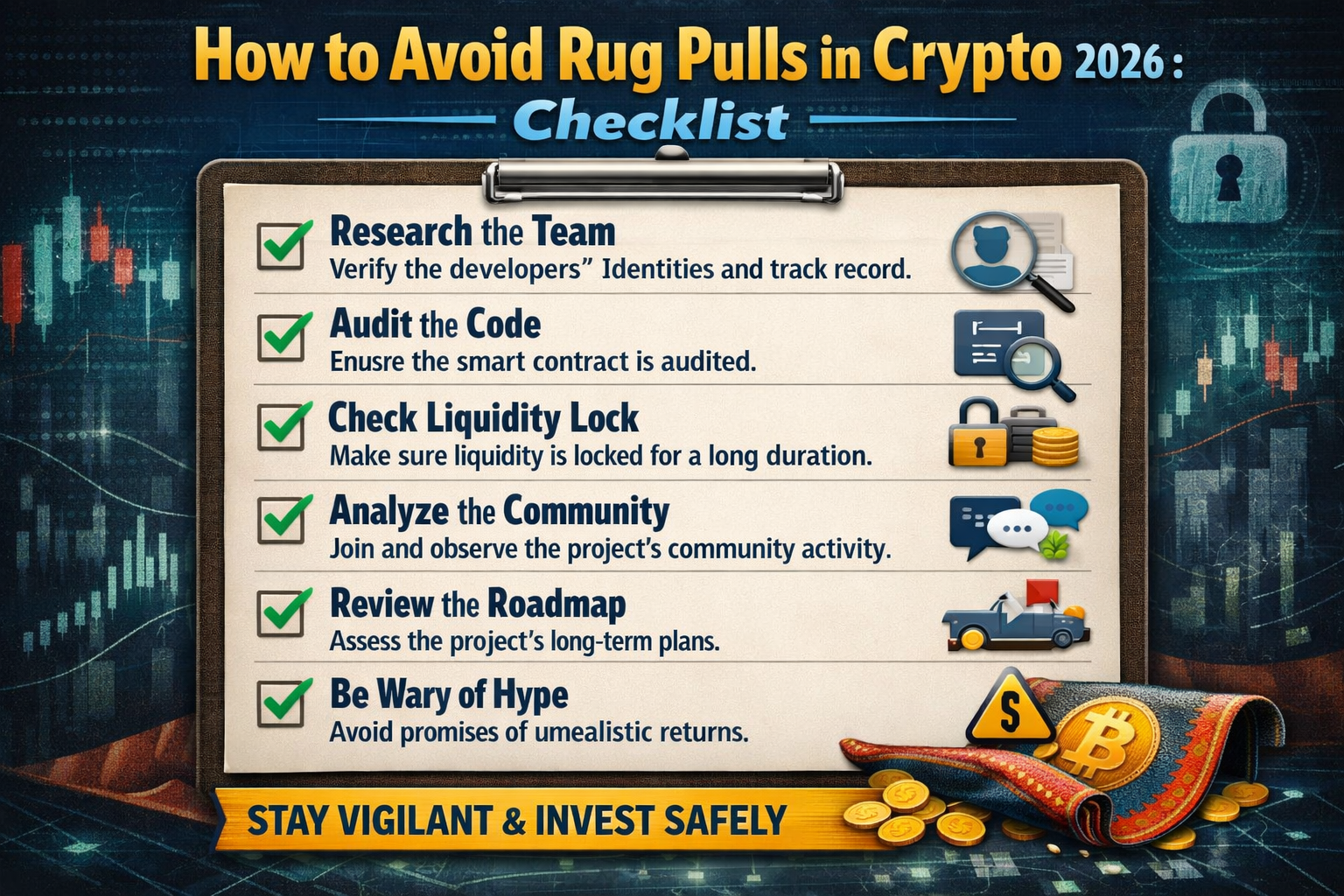
The best protection is a repeatable pre-buy checklist. You do not need perfect certainty. You need a way to filter out the worst setups before money leaves your wallet.
Use This 7-Point Pre-Buy Checklist
Before buying any new token, check
Is liquidity locked, and for how long?
Can the contract owner still change critical permissions?
Can buyers actually sell, or is there honeypot risk?
Do a few wallets control too much of the supply?
Are tokenomics clear on supply, vesting, and insider allocations?
Is the team identifiable or at least accountable?
Is the audit real, recent, and from a known provider?
This takes a few minutes, but it catches a lot of bad projects early.
Check the Basics First
Start with the boring stuff. It matters.
Look at the website. Read the whitepaper. Compare contract addresses across the official site, X account, Telegram, Discord, and listing pages. If the links do not match, stop there.
For buyers in the US, UK, and EU, transparency matters more than branding. A professional-looking site is easy to fake. Clear disclosures, consistent documentation, and a traceable operator are harder to fake. EU crypto rules under MiCA focus heavily on standardized disclosures and white-paper expectations, which is useful as a screening mindset even when a token is still very early.
Be Suspicious of Over-Marketing
If the marketing is louder than the product, pay attention.
Scam projects often lean on
Guaranteed returns
Countdown pressure
“Last chance” language
fake community activity
Influencer-heavy promotion with little technical depth
A token can look polished and still be unsafe. Fraudsters know how to manufacture social proof.
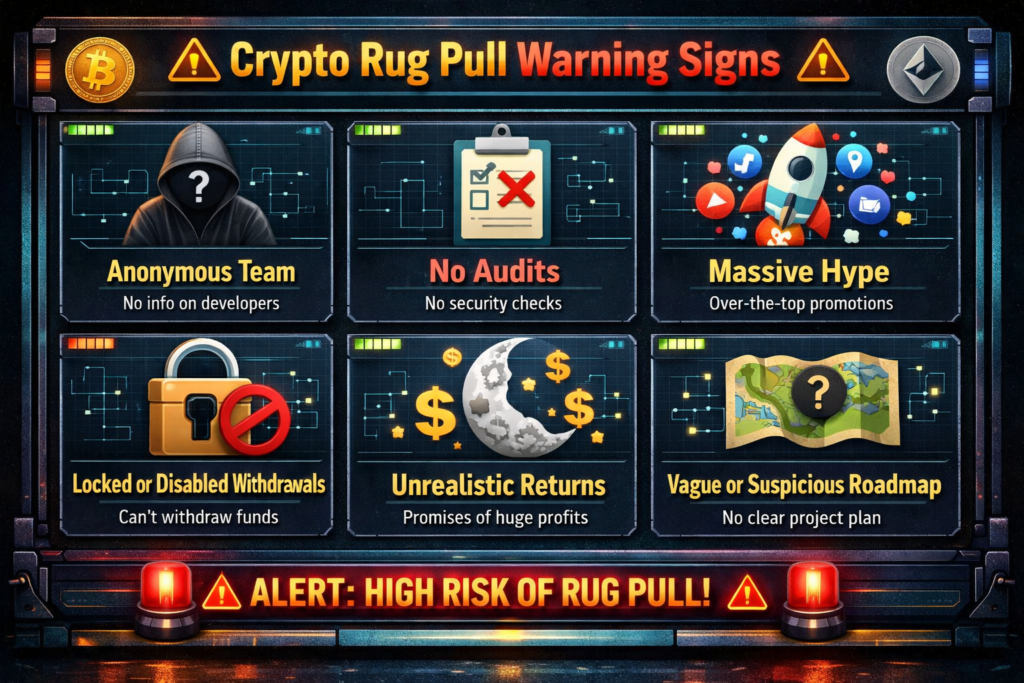
Crypto Rug Pull Warning Signs to Check First
Some signals should immediately raise your risk score.
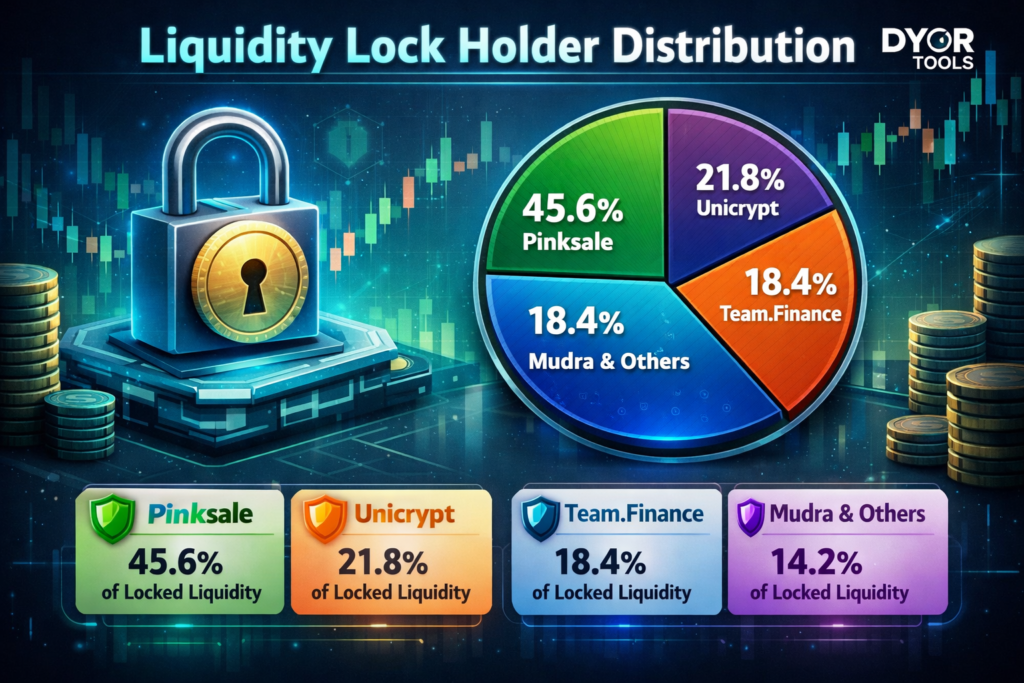
Unlocked Liquidity
If liquidity is not locked, or the lock is vague and unverifiable, insiders may be able to remove trading support quickly. That does not prove fraud, but it makes abuse much easier.
Whale-Heavy Holder Distribution
A project can look strong on social media and still be controlled by a few wallets.
Read holder distribution like a cap table. If the top wallets dominate supply, the token is fragile. One coordinated exit can crush price, especially on low-liquidity launches.
Suspicious Contract Permissions
Check whether the contract owner can.
Pause transfers
Blacklist wallets
Change fees
Mint more supply
Block or restrict selling
These permissions are not automatically malicious, but they increase trust risk. The more control insiders keep, the more careful you should be.
Fake Audits and Copied Projects
“Audited” sounds reassuring. It is not enough on its own.
Click through to the report. Confirm the audit firm, date, contract address, scope, and unresolved findings. A copied audit badge or an outdated report means very little. The deployed contract should match the one reviewed.
How to Spot a Rug Pull Crypto Project With DYOR Tools
You do not need enterprise software to do useful checks. A practical stack is enough.
Check Liquidity and Contract Data
Use explorers and DEX analytics tools to review pool activity, LP holder behavior, and token authority settings.
For Ethereum-based projects, Etherscan is usually the first stop. For Solana, Solscan and trusted analytics dashboards are helpful for checking wallet concentration and authority settings. You are looking for one thing above all: can insiders still change the game after buyers enter?
Review Token omics and Vesting
Good token omics should answer three questions clearly:
Who owns the supply?
When does it unlock?
Who can sell first?
If allocations are vague, “community” wallets look insider-controlled, or vesting is unclear, that is a problem. Retail buyers often become the exit liquidity in projects with weak tokenomics.
Use More Than One Tool
A sensible DYOR stack can include:
Etherscan or Slocan
A DEX analytics dashboard
A holder-distribution tracker
A honeypot checker
CoinGecko or similar market context tools
The actual audit report
No single tool gives the full picture. Cross-checking is what matters.
Safe Ways to Buy New Crypto and Reduce Scam Risk
The safest way to buy new crypto is usually not the fastest way.
For many beginners, a reputable centralized exchange is a better starting point than a brand-new DEX launch. FCA research published in December 2025 found that centralized exchanges were the most common way UK crypto users bought or obtained cryptoassets, used by 73% of users. The same FCA research found UK adult ownership fell from 12% in 2024 to 8% in 2025.
That does not mean centralized exchanges make a token safe. It means they may reduce some of the operational risk that comes with fake listings, instant liquidity pulls, and cloned contracts.
What “Audited,” “Listed,” and “Trusted” Really Mean
These labels help, but they do not remove risk.
Audited means code was reviewed at a certain time and within a certain scope.
Listed means a platform accepted the asset, not that its economics are fair.
Trusted provider should mean transparent identity, clear support, disclosures, and enough history to evaluate behavior.
In New York, London, Berlin, Frankfurt, Dublin, or Amsterdam, the same rule applies: labels are useful, but your own checks still matter.
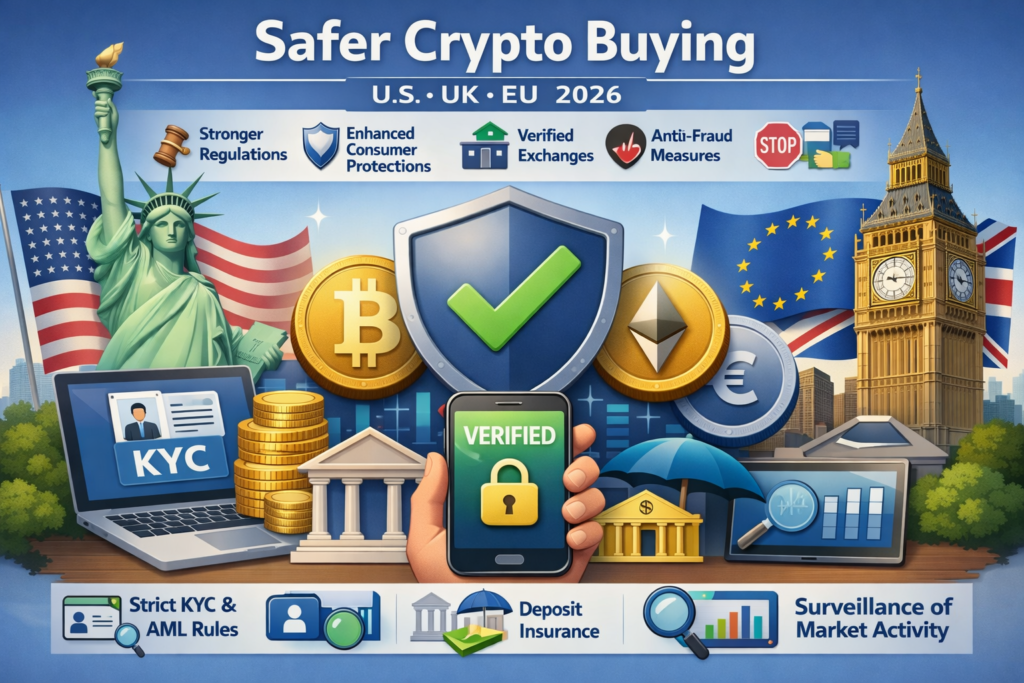
USA, UK, and EU Signals That Help You Screen Risk
Regulation does not stop rug pulls. It does, however, give buyers better warning frameworks.
In the US, investor alerts keep stressing the same red flags: urgency, fake fees, social-media hype, and promises that sound too good to be true. In California, the DFPI said in March 2025 that, through its Crypto Scam Tracker and partnership with the California DOJ, the state had shut down more than 26 crypto scam websites and uncovered $4.6 million in consumer losses.
In the UK, the FCA has continued tightening pressure around misleading financial promotions and crypto-related risks. That matters because scam marketing often looks legitimate long before the token itself is exposed.
Across Germany and the wider EU, MiCA has pushed the market toward more standardized disclosure expectations. That does not certify quality, but it makes whitepaper transparency, provider status, and documentation quality more important filters for retail buyers.
A Beginner-Friendly Rug Pull Prevention Framework for 2026
If you are new, keep your process simple.
The 5-Minute Screen
Before buying any token, check.
Liquidity lock
Holder concentration
Sellability
Team credibility
Audit authenticity
If two of those are unclear, do not buy yet.
The 30-Minute Deep Check
For higher-risk projects, go further
Read the whitepaper
Verify official links
Inspect top wallets
Compare contract addresses across channels
Review vesting schedules
Look for evidence of real builders or users
A project that survives 30 minutes of scrutiny is not automatically safe, but it is no longer an impulse trade.
Know When to Walk Away
Sometimes the smartest move is doing nothing.
Walk away when
Liquidity is unlocked
Insiders dominate supply
The contract looks restrictive
The audit cannot be verified
The entire sales pitch is urgency
In crypto, skipping a bad trade is a win.
Fina Thoughts
If you want to know how to avoid rug pulls in crypto, the answer is not a secret indicator or a perfect influencer to follow. It is process.
Check liquidity. Check wallet concentration. Check whether you can sell. Verify the audit. Verify the people. Treat hype as a warning sign, not a signal to rush. That approach will not remove every risk, but it can help you avoid many of the most obvious and expensive mistakes.
If your team is building a safer crypto product, investor dashboard, or token-screening workflow, explore Mak It Solutions Services for a scoped discussion around web, mobile, cloud, and analytics solutions.( Click Here’s )
FAQs
Q : How long should liquidity be locked before a token looks safer?
A : There is no magic number. A longer and verifiable lock usually lowers immediate exit risk, but the key issue is whether the lock is real, visible on-chain, and proportionate to the roadmap.
Q : Can a token still be risky if it passed an audit?
A : Yes. An audit reviews code, not honesty, tokenomics, or future behavior. Always verify the firm, report date, contract address, and whether the deployed contract matches the audited one.
Q : What does holder concentration mean in crypto?
A : Holder concentration means a small number of wallets control a large share of supply. That increases dump risk, especially in thin markets where a few wallets can move price quickly.
Q : Are meme coins more exposed to rug pull risk?
A : Often, yes. Meme coins are not automatically scams, but they usually move on speed, narrative, and social momentum, which makes fake legitimacy and pump behavior easier to hide.
Q : Should beginners avoid DEX-only tokens?
A : Not always, but beginners should treat them as higher risk by default. For many newer buyers, starting with a more established platform is a safer way to learn before moving into early-stage DEX trades.