
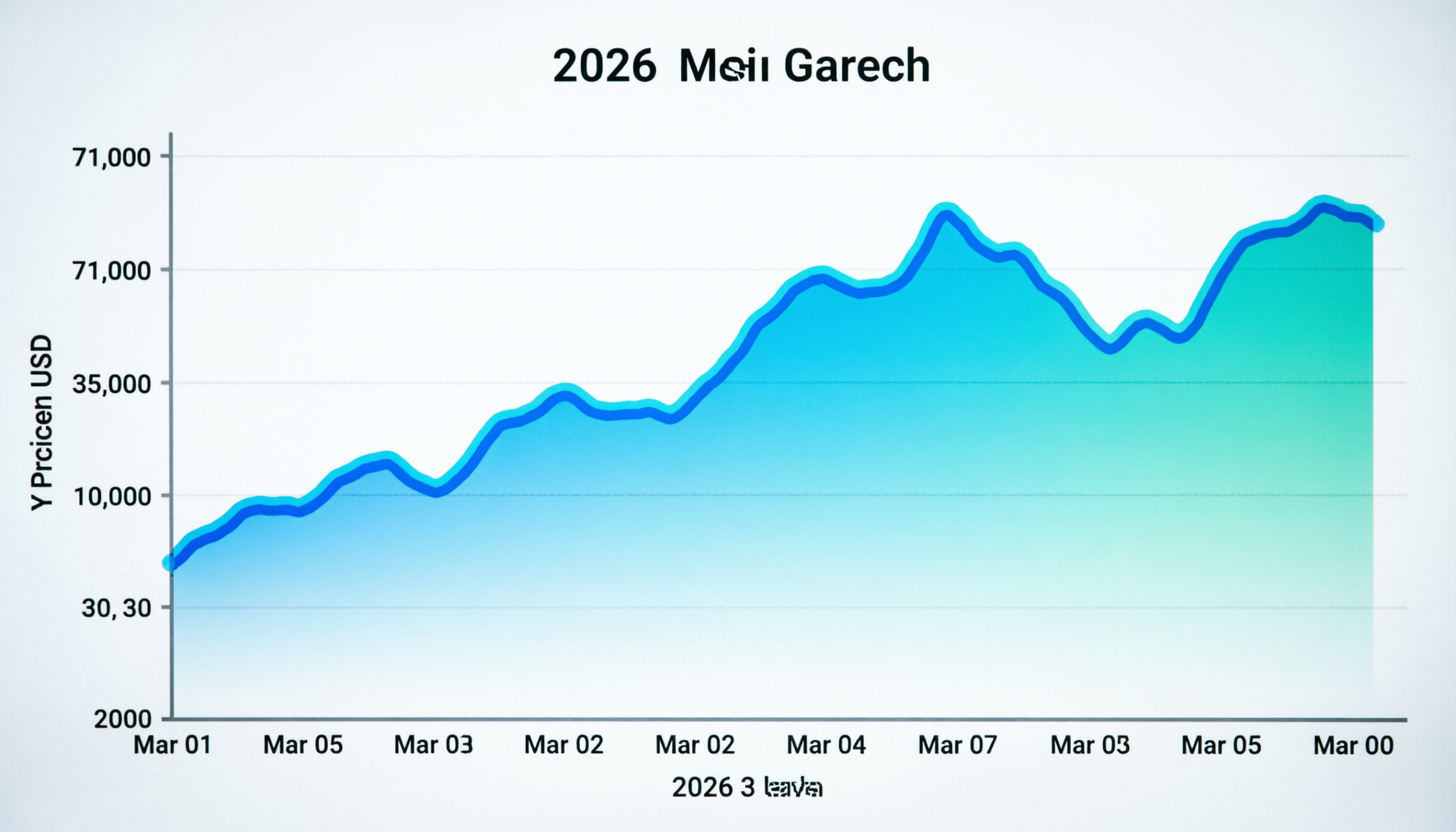

Bitcoin holds $71,000 as Fed meeting and Iran oil risk loom
Bitcoin holds $71,000 even as markets absorb a sharper Middle East escalation, with traders weighing whether geopolitical shocks are becoming easier to price or merely setting up a bigger macro test. The cryptocurrency stayed above its prewar range on Saturday after the United States struck military targets on Iran’s Kharg Island, a critical oil-export hub, while avoiding the island’s oil infrastructure for now.
Why bitcoin holds $71,000 despite Kharg Island escalation
Bitcoin traded near $70,500 to $71,000 on March 14 after giving back part of its latest rally, according to CoinGecko pricing data. Over seven days, bitcoin was still up about 4%, suggesting buyers have so far treated war headlines as interruptions rather than a trend-breaking shock.
That resilience stands out because the geopolitical backdrop worsened late Friday. Reuters reported that U.S. strikes hit military installations on Kharg Island, and Trump said on Truth Social that he had spared oil infrastructure “for reasons of decency,” while warning that interference with shipping in the Strait of Hormuz could change that calculus. Iran, in turn, warned that any strike on energy infrastructure would invite retaliation against U.S.-linked facilities in the region.
For crypto traders, that leaves bitcoin caught between two narratives: safe-haven-style resilience on one hand, and classic risk-asset sensitivity on the other. Recent price action suggests the market is no longer reacting to every headline with the same degree of panic, but the macro consequences of the conflict remain unresolved. That is especially true if damage spreads from military targets to energy assets and shipping lanes.
Bitcoin holds $71,000, but oil and inflation risk are rising
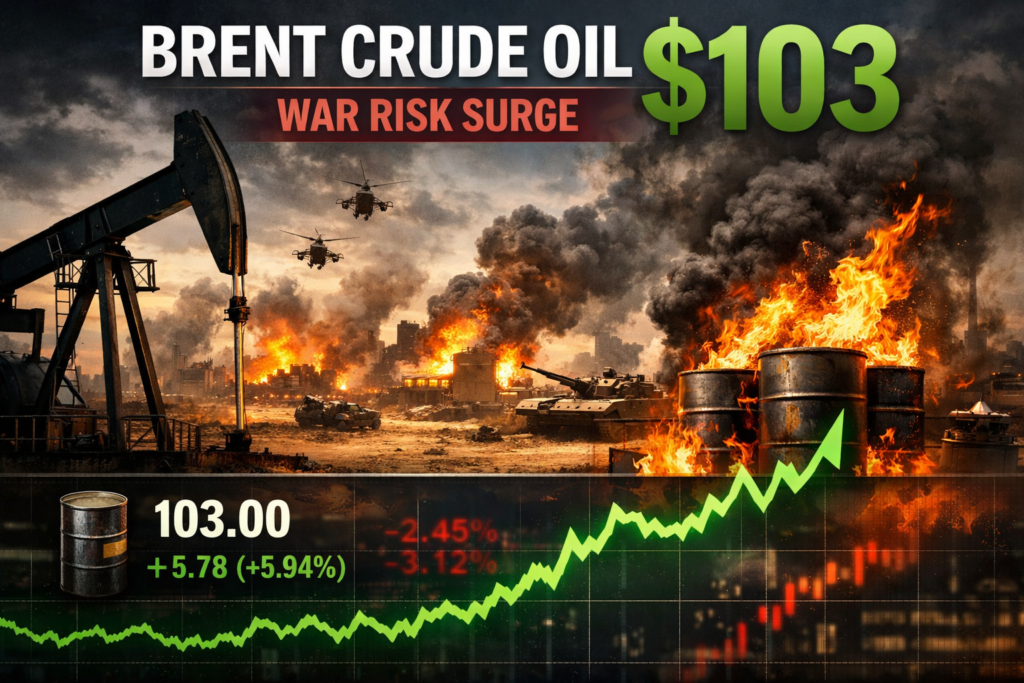
Oil is the clearest transmission channel from the conflict into broader markets. Brent crude closed at $103.14 a barrel on Friday, and Barclays said prices could rise to $100 or higher on a sustained disruption scenario, while warning that normalization assumptions remain critical.
The International Energy Agency said the war has created the largest oil supply disruption in history, with around 8 million barrels per day, or about 8% of global supply, affected by the Strait of Hormuz closure. That matters for bitcoin not because oil and crypto are directly linked, but because higher energy prices can feed inflation expectations and reduce the odds of easier monetary policy.
If oil stays above $100, investors may reassess how quickly the Federal Reserve can move toward rate cuts. Higher-for-longer policy expectations tend to pressure speculative and liquidity-sensitive assets, including cryptocurrencies. In that sense, bitcoin’s ability to remain near $71,000 may reflect short-term resilience, but it does not remove the risk of a broader macro repricing.

What bitcoin holds $71,000 signals for traders
What bitcoin holds $71,000 signals, at minimum, is that the market has not yet treated the current conflict as a reason to abandon crypto exposure outright. The price has remained above where it traded a week earlier, even after a pullback from recent highs.
Still, resilience is not the same as breakout momentum. The raw market copy says bitcoin has struggled in the $73,000 to $74,000 area, but that specific resistance count was not independently verified here. What is verified is that bitcoin remains below its recent local highs while traders await a major policy catalyst from the Fed.
In practical terms, traders appear to be shifting from headline-driven fear to scenario pricing. The near-term question is no longer just whether strikes continue. It is whether the conflict broadens into oil infrastructure damage, pushes energy prices higher for longer, and forces the Fed to sound more hawkish than markets expect.
Context and Analysis
The Fed meeting now becomes the central scheduled catalyst. The Federal Reserve’s official calendar shows the next FOMC meeting on March 17–18, 2026, with a press conference on March 18. CME FedWatch indicates markets are broadly pricing a hold, though the tool itself is best used for live probabilities rather than static figures quoted out of context.
That puts unusual weight on the dot plot and Chair Jerome Powell’s tone. If policymakers emphasize inflation risks from energy and signal less confidence in eventual easing, risk assets could face renewed pressure. If the Fed downplays the oil shock as temporary, bitcoin may retain room to challenge recent highs again. That is an inference based on the documented oil shock and the Fed calendar, not a confirmed market outcome.
Concluding Remarks
Bitcoin’s ability to stay near $71,000 despite a sharper Middle East escalation suggests a more mature reaction function than earlier in the conflict. But the market’s next move is likely to depend less on the immediate headline and more on whether oil-driven inflation pressure changes the Fed’s message next week. For now, crypto’s resilience is real, but it remains exposed to the same macro forces hitting global markets.
FAQs
Q1 . Why is bitcoin holding up near $71,000 despite the Iran conflict?
A : Bitcoin appears to be benefiting from a market that is reacting less violently to each new headline, even as geopolitical risk remains elevated. Recent pricing shows it still trading above levels from a week earlier, suggesting resilience and steady demand.
Q2 . What happened on Kharg Island?
A : U.S. forces struck military targets on Kharg Island on March 13, 2026, while deliberately avoiding oil infrastructure. Later, Donald Trump warned that oil facilities could be reconsidered if shipping through the Strait of Hormuz is threatened.
Q3 . Why does oil matter for crypto markets?
A : Higher oil prices can fuel inflation and make central banks less likely to cut interest rates. That environment can weigh on risk assets, including cryptocurrencies, as tighter financial conditions reduce speculative appetite.
Q4 . Could bitcoin hold $71,000 if the Fed turns more hawkish?
A : It could, but a hawkish surprise from the Federal Reserve would likely increase pressure on crypto and other risk assets. Tighter policy expectations typically strengthen the dollar and raise yields, which are headwinds for bitcoin.
Q5 . When is the next Federal Reserve meeting?
A : The next Federal Open Market Committee (FOMC) meeting is scheduled for March 17–18, 2026, with the policy decision and press conference on March 18.
Q6 . Is the current oil disruption historically significant?
A : Yes. The International Energy Agency has described it as the largest oil supply disruption in history, highlighting its potential impact on global inflation and financial markets.
Facts
Event
Bitcoin remained near $71,000 despite U.S. strikes on military targets on Iran’s Kharg Island and renewed threats involving oil infrastructure.Date/Time
2026-03-14T00:00:00+05:00Entities
Bitcoin (BTC); Federal Reserve; Donald Trump; Iran; Kharg Island; Strait of Hormuz; International Energy Agency (IEA); Brent crudeFigures
Bitcoin about $70,457 to $70,544 on March 14–13; 7-day bitcoin gain about 4.0%; Brent crude settled at $103.14 per barrel; about 8 million barrels per day of supply disruption.Quotes
“for reasons of decency” Donald Trump, on sparing oil infrastructure for now.Sources
Reuters; Federal Reserve; CME Group; CoinGecko; Reuters on IEA findings.