

BTC slips below $70K while ICP and FET rally on AI demand
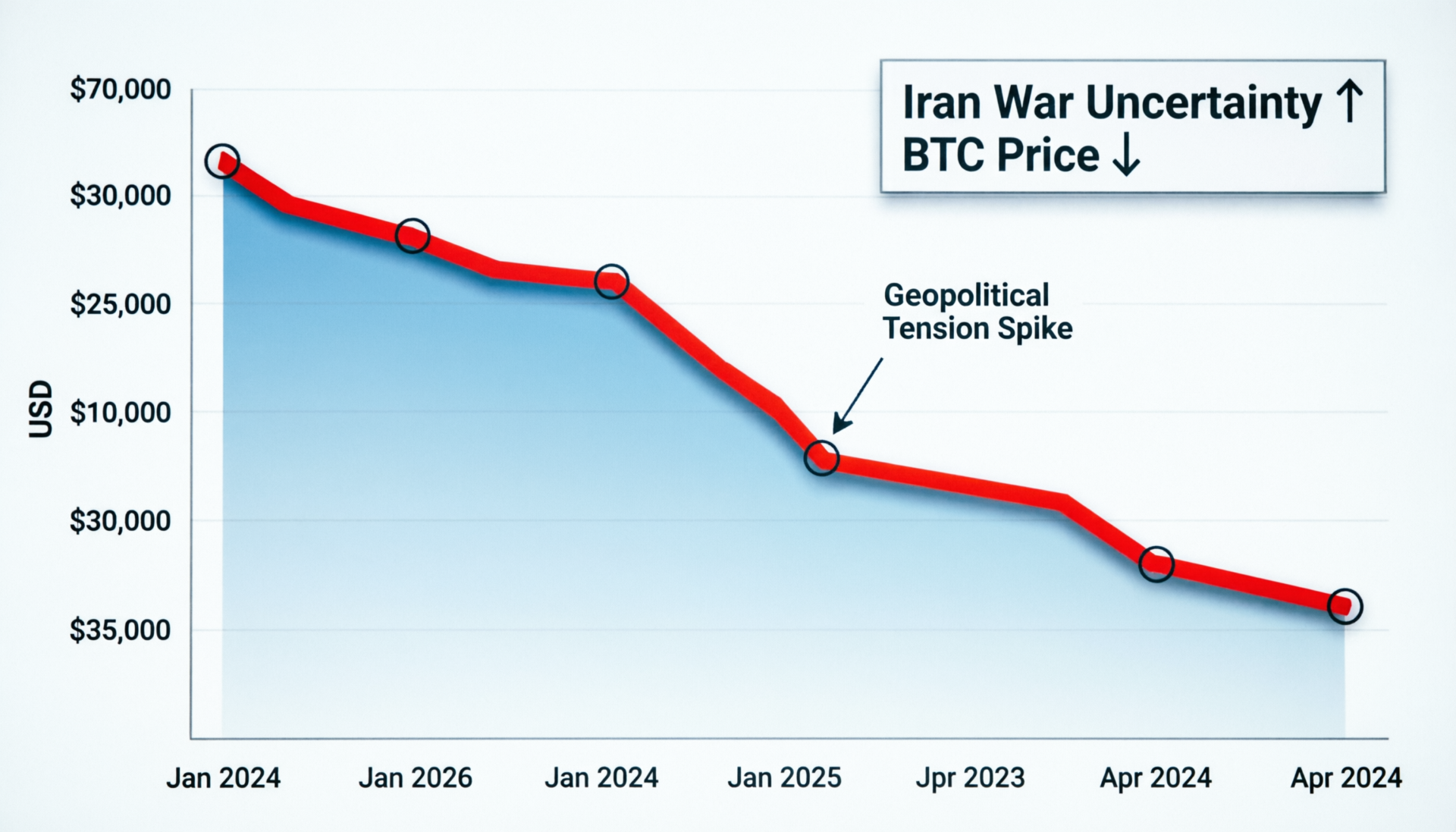
Bitcoin drops on Iran war uncertainty remained the dominant market theme on Wednesday, with BTC trading near $69,500 in Europe after giving back earlier gains and failing to sustain a move above $71,000. The retreat came as geopolitical tension around the Iran war kept traders defensive across crypto and broader risk markets.
Bitcoin drops on Iran war uncertainty as BTC loses momentum above $71K
Bitcoin was down about 0.55% since midnight UTC and traded around $69,500 mid-morning in Europe, according to CoinDesk’s market report. The move followed a rejection near $71,750, reinforcing the market’s recent inability to build momentum above the $70,000 area. Gold and the U.S. dollar were little changed, while U.S. equity-index futures edged higher, underscoring a mixed cross-asset reaction rather than a full risk-off panic.
Oil stayed volatile as well. CoinDesk reported that crude had dropped as low as $81 a barrel on Tuesday before rebounding toward $89 during Wednesday’s European session, another sign that macro headlines were driving short-term trading conditions. In crypto, that translated into caution rather than aggressive dip-buying.
Altcoins lag while AI tokens break higher
Most major altcoins underperformed bitcoin. CoinDesk said zcash (ZEC) fell 4.5% and aave (AAVE) lost 2.1% since midnight UTC, while DeFi names curve (CRV) and jupiter (JUP) each dropped about 6.5% over 24 hours.
The standout exception was the AI-linked segment. Internet Computer (ICP) rose sharply after Upbit listed the token with KRW, BTC and USDT pairs, a development that opened the asset to South Korea’s deep retail trading base. BeInCrypto reported the listing on March 11 and linked the move to a strong price jump. CoinGecko’s market page also showed a sharp rise in 24-hour ICP trading volume, consistent with the surge in retail activity cited in the raw report.
Fetch.ai (FET) also advanced, extending the AI trade. That strength aligned with renewed attention on AI infrastructure after Nvidia published commentary saying AI is becoming “essential infrastructure” for industries, reinforcing the narrative that continues to support AI-themed tokens.
Bitcoin drops on Iran war uncertainty in derivatives markets
Why bitcoin drops on Iran war uncertainty is hurting leveraged bulls
Derivatives data in the CoinDesk report suggested that bitcoin’s failed breakout was especially painful for leveraged traders. More than $220 million in crypto futures positions were liquidated over 24 hours, mostly from long positions. At the same time, open interest in dollar-denominated BTC futures on major exchanges fell to 226,000 BTC from 233,000 BTC, indicating the sell-off was driven more by long unwinds than by an aggressive build in new short positions. Similar positioning dynamics were reported in ether and solana futures.
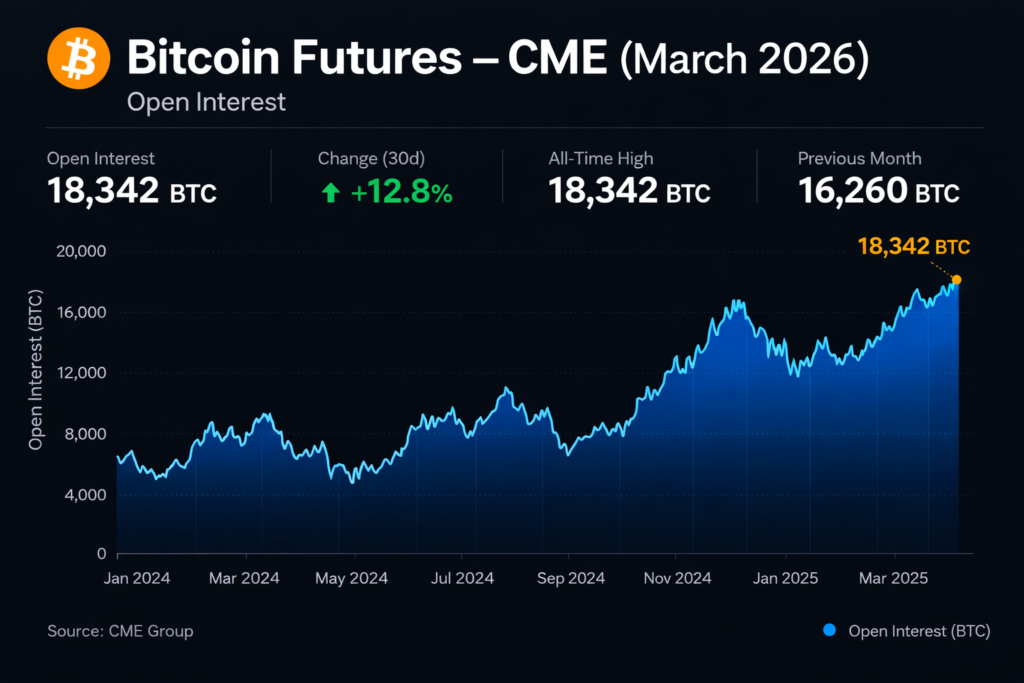
CoinDesk also said XRP futures open interest climbed to 1.74 billion tokens, the highest since February 23, while most other alternative-token open interest declined, a sign of broader capital outflows. On CME, BTC futures open interest reportedly dropped to $7.39 billion, the lowest since September 2024, alongside a similarly sharp fall in ETH futures. That points to subdued institutional risk appetite even as parts of the retail market remain active.
Volatility signals are still elevated
The same report noted that bitcoin’s 30-day implied volatility index fell for a third straight day, but longer-term moving averages remained stacked in a bullish volatility configuration. Ether’s volatility setup reportedly looked similar, while the VIX was up around 4% to 26%, hinting that equity volatility could still spill into digital assets.
Sentiment improved slightly but remained weak overall. The Alternative.me Crypto Fear & Greed Index was at 15 on March 11, still classified as “Extreme Fear,” versus 13 a day earlier and 10 a week earlier. That shows a modest recovery in mood, but not enough to signal a decisive shift in market conviction.
Context & Analysis
The clearest split in Wednesday’s market was between macro-sensitive majors and story-driven AI tokens. Bitcoin remained tied to geopolitics and derivatives deleveraging, while ICP and FET benefited from discrete catalysts that appealed to retail traders. Nvidia’s latest AI commentary did not directly mention those tokens, but it reinforced the broader investment theme around AI infrastructure and industrial deployment. That likely helped sustain speculative interest in the sector even as the broader altcoin complex weakened.
Concluding Remarks
Bitcoin’s retreat toward $69,500 shows the market is still struggling to break higher while Iran war uncertainty keeps traders defensive. For now, the near-term pattern looks split: majors remain constrained by macro and derivatives pressure, while selected AI tokens can still rally on retail demand and event-driven momentum. The next test is whether BTC can reclaim the $70,000-$71,000 area with stronger participation, or whether volatility in oil and broader markets drags crypto lower again.
FAQs
Q : What happened to Bitcoin on March 11, 2026?
Q : Why did Bitcoin fall while some AI tokens rose?
Q : Which tokens outperformed during Bitcoin drops on Iran war uncertainty?
Q : Why did ICP jump?
Q : What do derivatives data show?
Q : Is crypto sentiment improving?
Facts
Event
Bitcoin retreated while AI-linked tokens outperformed on March 11, 2026.Date/Time
2026-03-11T10:00:00+00:00 (approx. European morning trading window based on source timing).Entities
Bitcoin (BTC); Internet Computer (ICP); Fetch.ai (FET); Upbit; Nvidia; Chicago Mercantile Exchange (CME); Alternative.me Fear & Greed Index.Figures
BTC near $69,500; liquidation volume above $220 million; ICP trading volume on CoinGecko about $248.3 million; Fear & Greed Index 15.Quote
“AI is everywhere and accelerating everything becoming essential infrastructure to create the intelligence that will advance every industry.” Nvidia blog, March 9, 2026.Sources
CoinDesk market report; BeInCrypto on the Upbit listing; CoinGecko ICP market data; Nvidia blog; Alternative.me sentiment index.