

Trust Wallet adds address poisoning alerts for mobile users
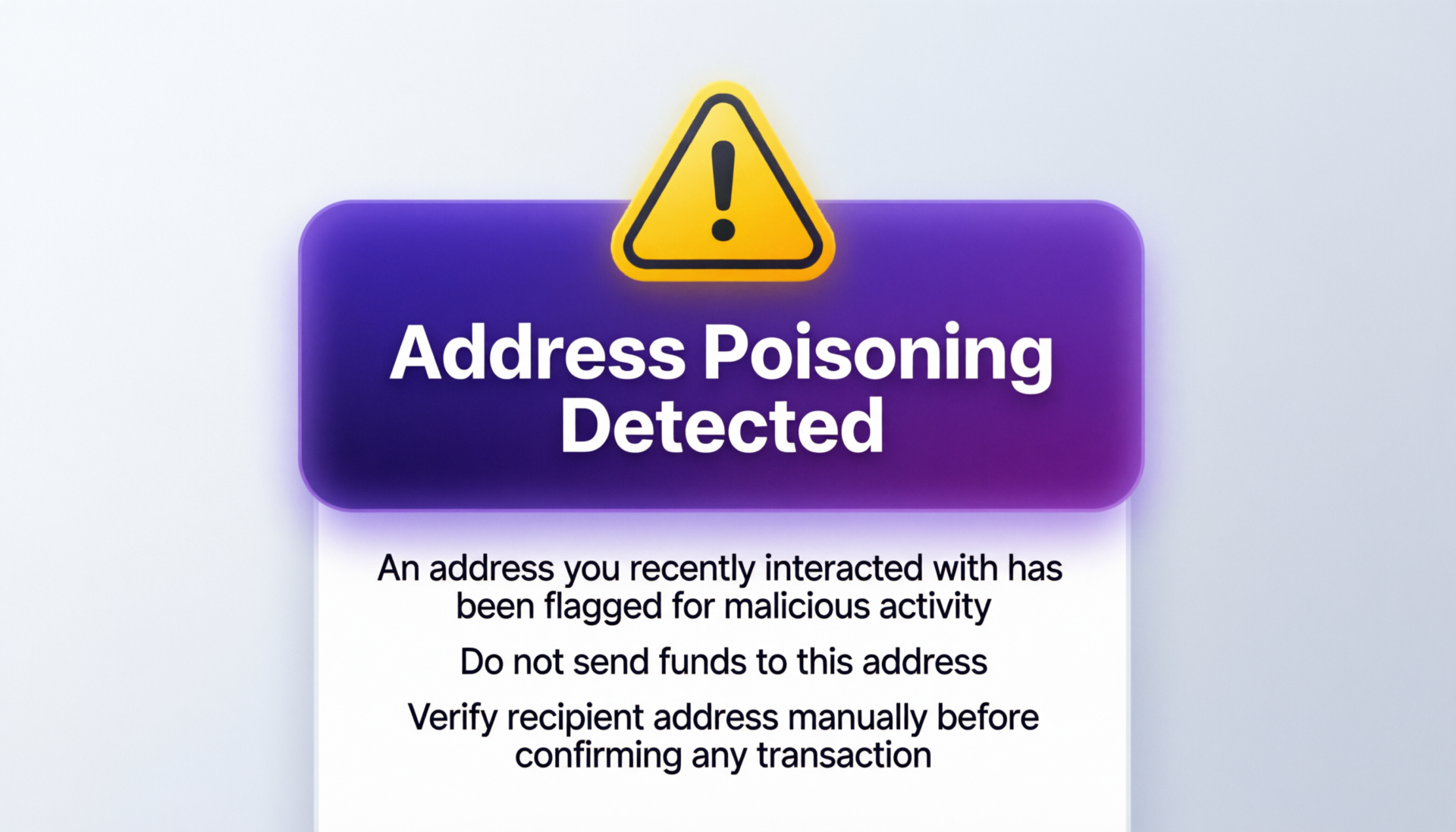
Trust Wallet address poisoning protection is now live on mobile for 32 EVM chains, adding an automatic warning layer against one of crypto’s most common copy-and-paste scams. The feature is designed to detect suspicious recipient addresses before a transfer is completed, helping users avoid sending funds to lookalike wallets seeded into transaction histories by attackers.
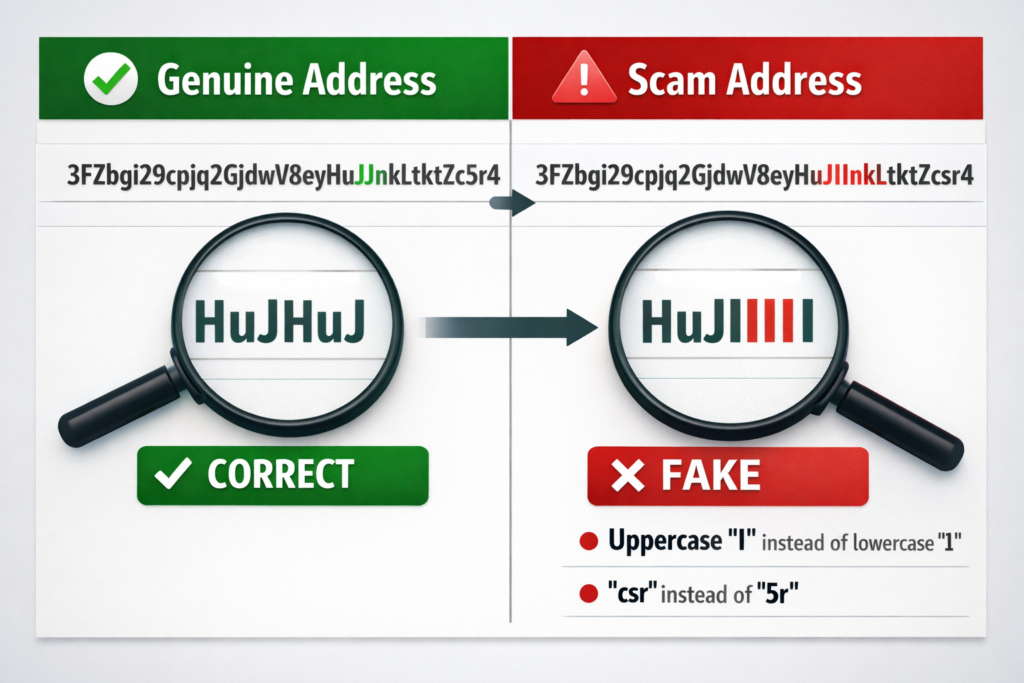
Trust Wallet said the tool scans transactions for incorrect or deceptive addresses and flags them in real time. It also compares addresses side by side so users can see exactly where characters differ, a key step in spotting spoofed destinations that may otherwise look legitimate at a glance.
Trust Wallet address poisoning protection adds real-time scam warnings
According to the launch announcement, the new protection layer uses aggregated intelligence from HashDit and Binance Security to identify known scam and lookalike addresses. Trust Wallet said the feature is available first on mobile across 32 EVM-compatible chains, with support for additional chains planned later.
Chief executive Felix Fan framed the feature as a response to a threat that is hard for users to detect manually because only a few altered characters can redirect a transfer permanently. In Trust Wallet’s description, this protection sits earlier in the transaction flow than its existing Security Scanner, intervening when a user copies or enters a destination address rather than only at final transaction review.
Why Trust Wallet address poisoning protection matters
Address poisoning works by exploiting a familiar user habit: copying a previously used wallet address from transaction history. Attackers send a tiny or even zero-value transfer from an address designed to resemble a legitimate one, hoping the victim later copies the scam address instead of the real destination. Trust Wallet and Ledger both describe this as a growing risk because wallet interfaces often truncate long addresses in summaries.
The broader fraud backdrop is significant. Chainalysis said crypto scams and fraud reached an estimated USD 17 billion in 2025, driven in part by rapid growth in impersonation tactics and AI-enabled scams. Separately, Cyvers has said Ethereum sees more than 1 million address-poisoning attempts per day, underscoring why wallet-level defenses are becoming more common.
Context and analysis
Trust Wallet is not alone in building pre-transaction protections. Ledger has promoted clear-signing and trusted-address workflows, while Trust Wallet itself has previously published guidance warning users not to rely on transaction history for copying wallet addresses. The new feature appears aimed at moving protection earlier in the user journey, where copy-paste mistakes happen, instead of relying only on final transaction review.
The rollout also comes after a turbulent security period for Trust Wallet. The company disclosed that a malicious version of its browser extension was published to the Chrome Web Store on December 24, 2025, enabling unauthorized access to sensitive wallet data and leading to significant user losses. That incident does not appear directly related to address poisoning, but it adds pressure on wallet providers to show visible improvements in user protection and transaction safety.
To Sum Up
Trust Wallet’s new feature targets a simple but costly scam vector: the mistaken reuse of a fraudulent wallet address that looks genuine. By adding automatic alerts, known-bad-address intelligence, and visual comparison before a send is confirmed, the wallet is trying to reduce one of crypto’s most preventable transfer errors.
Whether it materially lowers losses will depend on user adoption, coverage expansion beyond the initial 32 EVM chains, and how effectively the warnings surface real risk without creating alert fatigue.
FAQs
Q : What is address poisoning in crypto?
Q : What does Trust Wallet address poisoning protection do?
Q : When did Trust Wallet launch the feature?
Q : Which chains are supported at launch?
Q : Why are these scams hard to catch?
Q : How can users lower the risk of sending funds to the wrong address?
Facts
Event
Trust Wallet launched automatic address-poisoning protection for mobile users.Date/Time
2026-03-10T16:15:10+05:00.Entities
Trust Wallet; Felix Fan; HashDit; Binance Security; Chainalysis; Cyvers; Ledger.Figures
32 EVM chains at launch; more than 1 million address-poisoning attempts per day on Ethereum; USD 17 billion in estimated crypto scams and fraud in 2025.Quote
“The threat is designed to be invisible: a handful of characters buried in the middle of a long string, easy to miss and expensive to ignore.” Felix Fan, CEO, Trust Wallet.Sources
Trust Wallet launch coverage; Chainalysis 2026 Crypto Crime Report; Cyvers-linked reporting on address poisoning activity.