
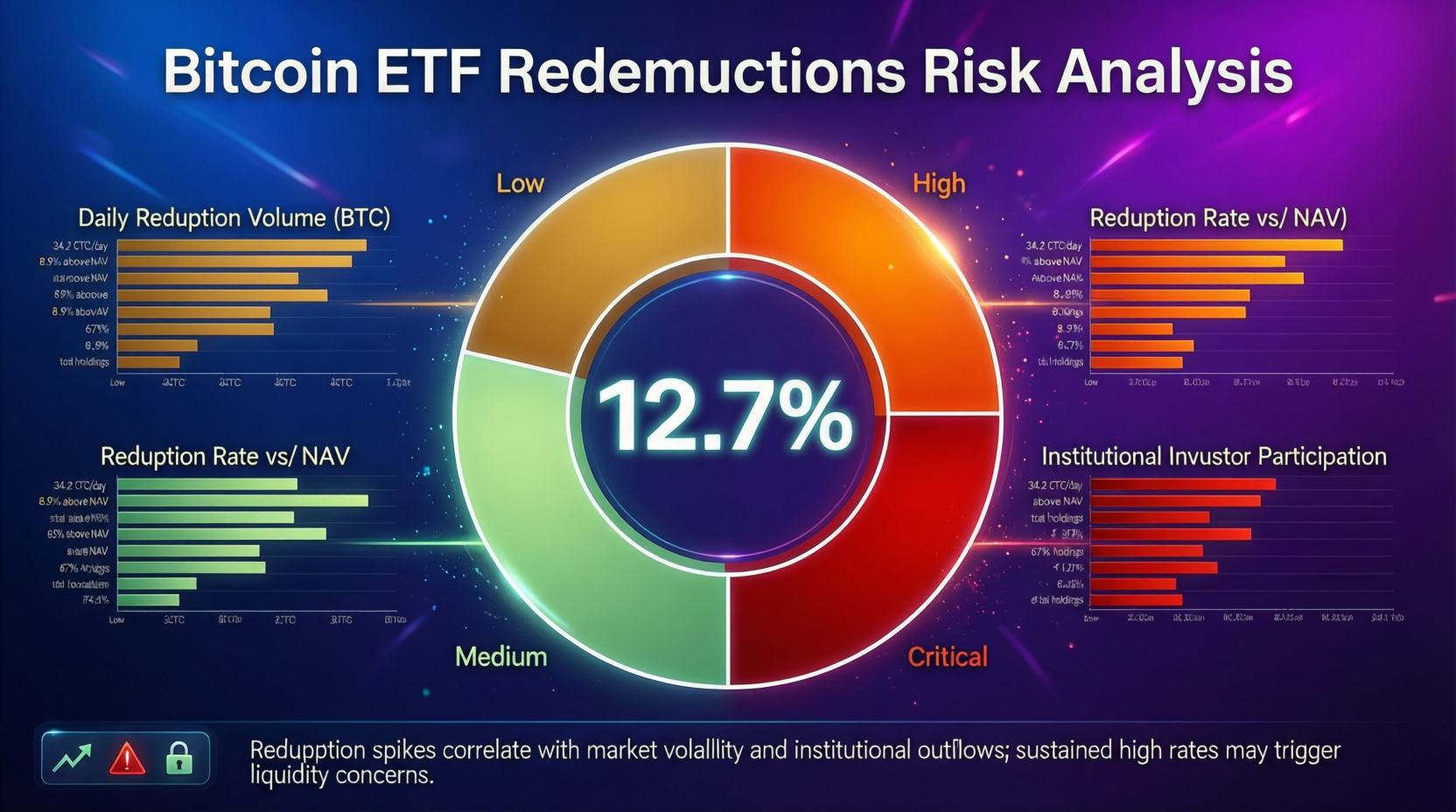

Bitcoin ETF redemptions risk: holders face paper losses as price slides
U.S. spot bitcoin ETF investors are, on average, facing unrealized losses as the risk of redemptions increases. Research from Bianco Research and 10x Research estimates the implied average purchase price at around $90,200 per bitcoin. By Feb. 2, however, BTC was trading in the mid-$70,000 range, leaving many ETF holders underwater. This price gap highlights growing pressure within the ETF market, especially as volatility remains elevated and sentiment turns cautious.
If price swings continue, short-term participants may be more inclined to exit their positions, triggering higher redemption activity. Such moves could add further selling pressure to the market, reinforcing near-term weakness in bitcoin prices. While long-term investors may view the drawdown as temporary, the mismatch between entry prices and current levels raises the likelihood of near-term outflows from spot bitcoin ETFs.
What’s happening now
The cost basis for the “average” spot BTC ETF holder is ~$90.2k, per analyst breakdowns shared publicly by Jim Bianco and echoed in industry coverage. With BTC near $77k, that’s a mid-teens paper loss.
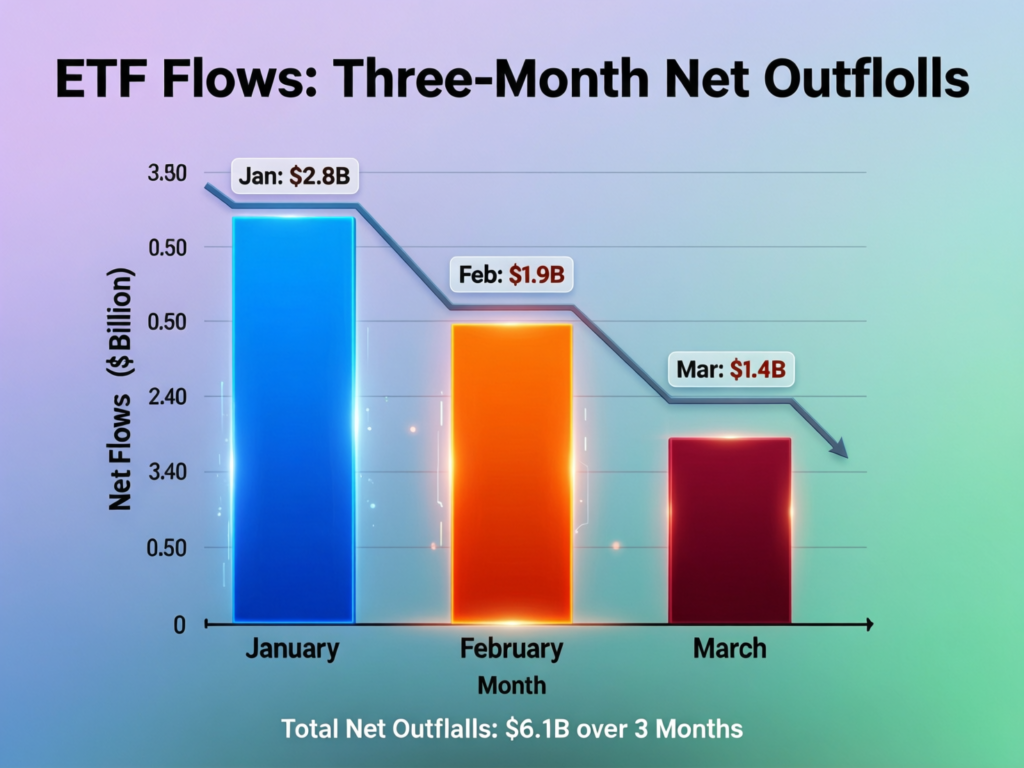
Flows turned negative again in January: data aggregators show three consecutive months of net outflows, with about $1.6B pulled in January alone (third-worst month on record).
The weak tape since the early-October shock widely debated on crypto social media, with some posts blaming Binance has compounded pressure. (Binance disputes being the cause.)
Why it matters for funds and price
Short-term holders in products like the iShares Bitcoin Trust (IBIT) or Fidelity’s FBTC may opt to cut losses if downside accelerates, forcing primary-market redemptions that translate to selling pressure in the underlying. By contrast, allocators with mandates (pensions, RIA models, corporates) tend to be less flow-sensitive, offering some cushion to the market structure.
Managing the bitcoin ETF redemptions risk
Redemption waves typically track price drawdowns, momentum, and liquidity. If BTC stays below the crowd’s cost basis for long, outflows can persist and weigh on price via creations/redemptions with authorized participants. Recent weekly prints showed multi-hundred-million-dollar exits.
Signals that bitcoin ETF redemptions risk is rising
Watch: (1) consecutive daily outflows, (2) widening discounts/premiums versus NAV intraday, (3) spikes in primary-market activity, and (4) price-sensitive selling around well-known cost-basis levels (~$90k)
Context & Analysis
Analysts caution that a full-scale capitulation where even long-term holders liquidate usually coincides with extreme volatility and volume spikes. Current commentary suggests institutional allocations via ETFs remain relatively “sticky,” which could limit worst-case redemption spirals unless macro or market-structure shocks intensify.

Concluding Remarks
If bitcoin manages to stabilize and move back toward the $90,000 level, redemption pressure across spot ETFs could begin to ease. A recovery into this zone would improve investor sentiment and reduce the incentive for short-term holders to exit positions. Price stability remains crucial for restoring confidence after recent volatility.
However, continued weakness in BTC could trigger another wave of ETF outflows. With January marking the third consecutive month of negative flows, investors are closely watching fund movements as a key signal. For now, ETF inflows and outflows remain an important indicator of market direction and broader risk appetite.
FAQs
Facts
Event
Spot BTC ETF holders under water; potential for increased redemptionsDate/Time
2026-02-02T13:58:00+05:00 (story timestamp; timezone interpreted)Entities
Bianco Research; 10x Research; SoSoValue; CoinDeskFigures
Avg cost ≈ $90,200; BTC ≈ $75–77k; January net outflow ≈ $1.6B; three-month streak of outflows.Quotes
“Institutional capital…is ‘sticky.’” prior analyst commentary to CoinDesk.Sources
CoinDesk; Jim Bianco (X); The Block; Yahoo Finance (SoSoValue)