
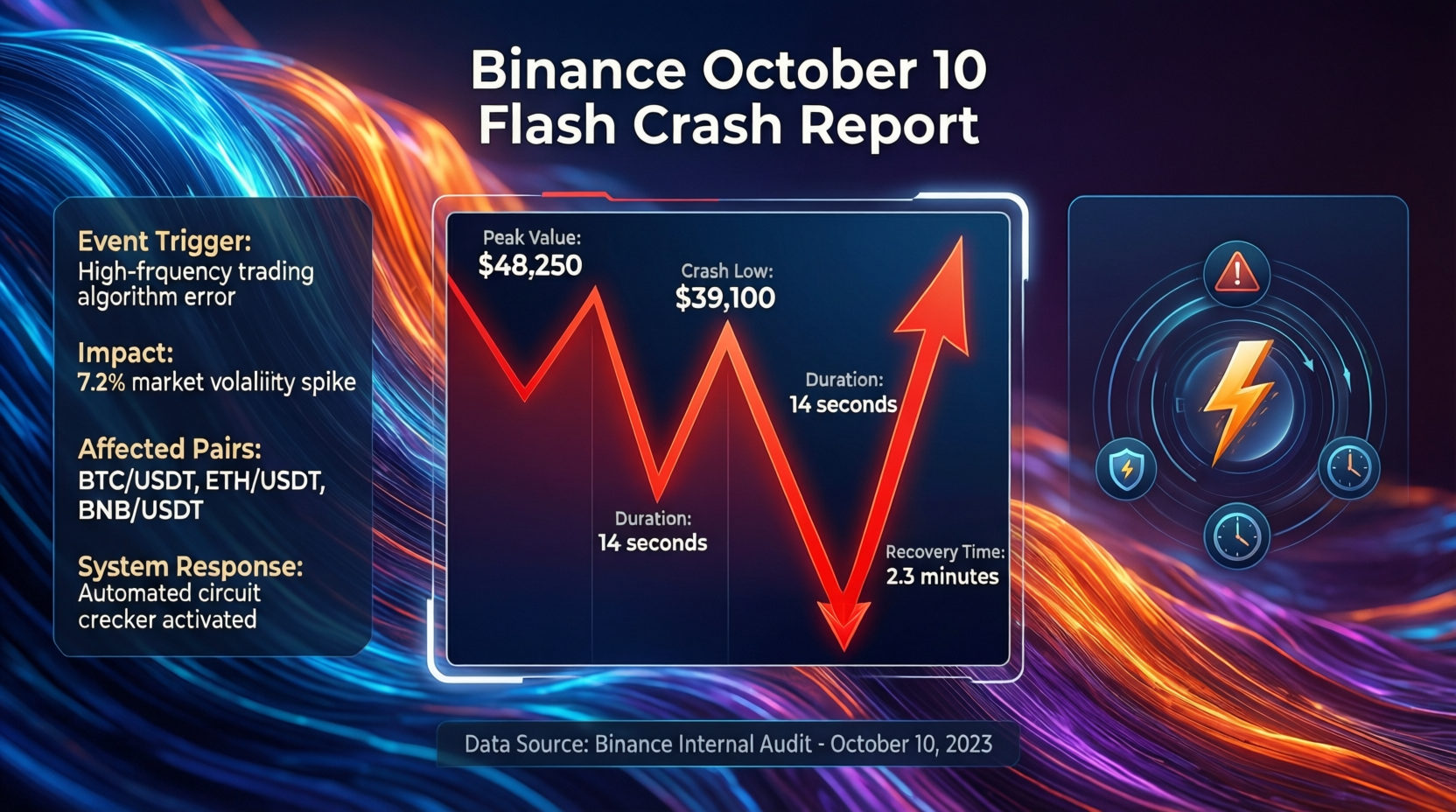

Binance October 10 flash crash report: Macro shock, not system failure
Binance states that crypto markets cracked amid a broader risk-off move already pressuring global assets. As prices fell, automated risk controls by market makers pulled liquidity, order-book depth evaporated, and forced unwinds accelerated. Research from Kaiko shows bid-side depth “nearly vanished” across major venues during the peak.
The exchange reiterates its core matching, risk checks, and clearing remained online through the event, rejecting speculation of a platform-wide outage.
Macro backdrop and cross-asset stress
The selloff coincided with a sharp equity decline tied to tariff headlines, with the S&P 500 and Nasdaq Composite posting their biggest single-day drops in months on 2025-10-10, highlighting cross-market risk aversion.
Liquidity, leverage, and cascading liquidations
Open interest in crypto derivatives was elevated into early October, leaving markets exposed once selling started. Order-book depth thinned materially across venues, amplifying price impact; with fewer resting orders, even modest liquidations pushed prices lower, accelerating the cascade in Bitcoin and Ether markets. Kaiko and other analyses of Oct. 10–11 detail a rapid liquidity drought and one of crypto’s largest deleveraging waves of the year.
Network congestion and fragmentation
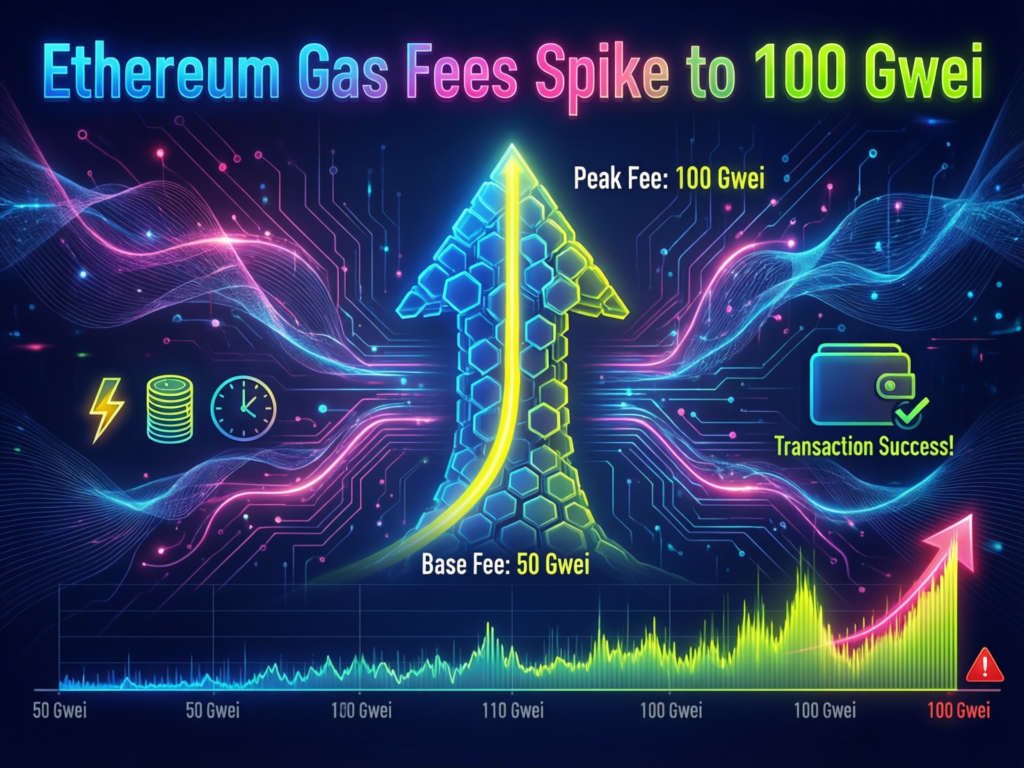
On-chain congestion especially on Ethereum pushed gas fees higher and slowed transfers, limiting arbitrage between venues. Binance argues these conditions worsened price dislocations across markets.
The two incidents Binance acknowledged
Binance disclosed two platform-specific issues.
Internal transfer slowdowns (21:18–21:51 UTC)
A database performance regression under surge traffic delayed internal asset transfers between spot/earn/futures, causing some temporary “zero balance” displays. Core trading remained operational; affected users were compensated.
Index deviations (21:36–22:15 UTC)
Temporary deviations in indices tied to USDe, WBETH, and BNSOL followed thin liquidity and delayed cross-venue rebalancing; Binance later adjusted methodology and compensated impacted users.
The exchange says roughly three-quarters of liquidations occurred before these index deviations, underscoring the macro and liquidity drivers.
Payouts and follow-ups including the Binance October 10 flash crash report
Binance says cumulative compensation tied to Oct. 10 incidents exceeds $328 million, reflecting payments for affected products and support programs; earlier updates referenced compensation for USDe, WBETH, and BNSOL users.
Context & Analysis
Independent market data aligns with Binance’s framing that Oct. 10’s rout stemmed from a liquidity shock interacting with heavy leverage and market-maker risk constraints, rather than a core exchange outage. However, index construction and transfer-layer hiccups can still exacerbate user harm during stress; the post-mortem outlines methodology tweaks that warrant monitoring in future volatility events.

Concluding Remarks
Binance’s statement suggests the disruption was driven by a broader market stress event, worsened by high leverage and rapidly thinning liquidity. While the exchange acknowledged two internal issues, these occurred after most of the losses had already taken place, indicating they were not the primary cause of the damage.
To limit future fallout, Binance plans to revise index methodologies and expand compensation programs. However, the episode highlights a deeper, structural weakness: liquidity across trading venues remains fragile. In periods of extreme volatility, this vulnerability can quickly amplify shocks and pose systemic risks to the wider market.
FAQs
Q : What triggered the Oct. 10 crypto crash?
A : A macro risk-off shock collided with heavy leverage and thinning liquidity, triggering cascading liquidations across the market.
Q : Did Binance have a system-wide outage?
A : No. Binance stated that its core matching engine, risk checks, and clearing systems remained fully operational throughout the event.
Q : Which assets saw index deviations?
A : USDe, WBETH, and BNSOL experienced temporary index deviations between 21:36 and 22:15 UTC.
Q : How much did Binance pay in compensation?
A : According to the exchange, Binance paid over $328 million in compensation.
Q : What did the broader market do that day?
A : U.S. equities fell sharply on Oct. 10 following tariff-related headlines, reflecting broader risk aversion.
Q : Where can I read the Binance October 10 flash crash report?
A : The report is available on Binance’s official blog and in its post-mortem updates.
Facts
Event
Crypto flash crash and mass liquidations; Binance post-mortem blames macro shock + leverage + thin liquidityDate/Time
2025-10-10T21:00:00+00:00 (core market stress window referenced in report)Entities
Binance; Kaiko; Ethereum; S&P 500; Nasdaq CompositeFigures
$328m+ compensation (USD); $19bn+ crypto liquidations in ~1 day (estimates vary); elevated gas fees (>100 gwei at times).Quotes
“Core systems were fully operational throughout the market shock.” Binance blog.Sources
Binance blog; Binance support/update; Kaiko research; AP News (equities)