

USDC pulls stablecoins lower as crypto cash exits, pressuring BTC
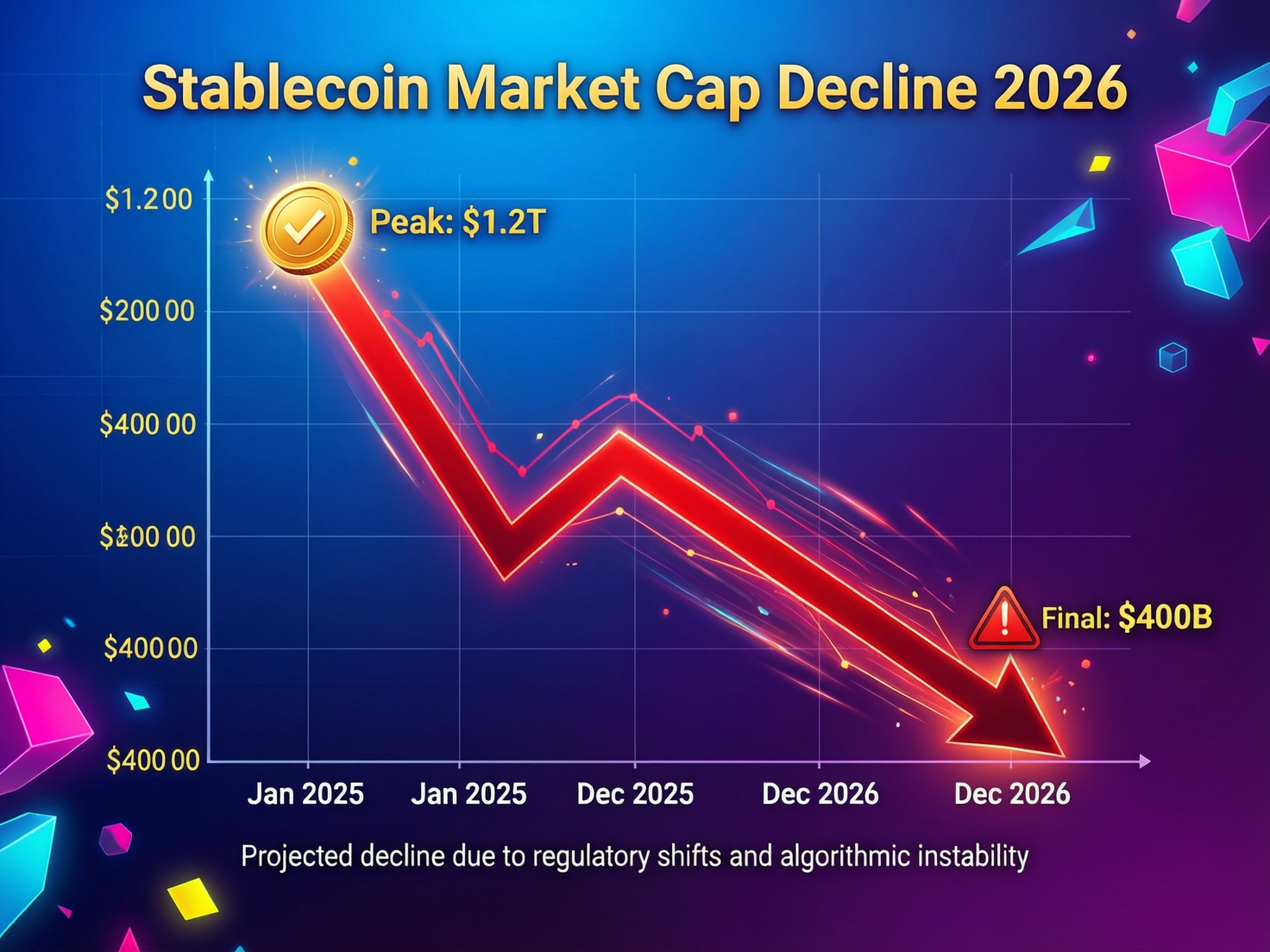
The stablecoin market continued its decline in 2026, as the combined market capitalization of USD Coin and Tether slipped to nearly 257.9 billion dollars this week. This represents the lowest level since November 20, after peaking close to 265 billion dollars in mid December. The decline reflects increasing caution among investors, with liquidity slowly moving out of stable digital assets and reducing short term market confidence across the broader crypto ecosystem.
USDC led this pullback, indicating many investors are converting holdings into fiat instead of waiting in stablecoins for future re entry opportunities. This behavior can weaken demand, slow price rebounds, and reduce trading momentum for Bitcoin and other major cryptocurrencies across global markets.
Stablecoins shrink as cash exits crypto
Data show USDC’s market cap has slid more sharply than USDT’s over the last 10 days. Blockchain analytics firm Santiment argues that when stablecoin supply contracts, “on-deck” liquidity to buy dips also falls often making bounces weaker.
Why it matters for Bitcoin’s bounce
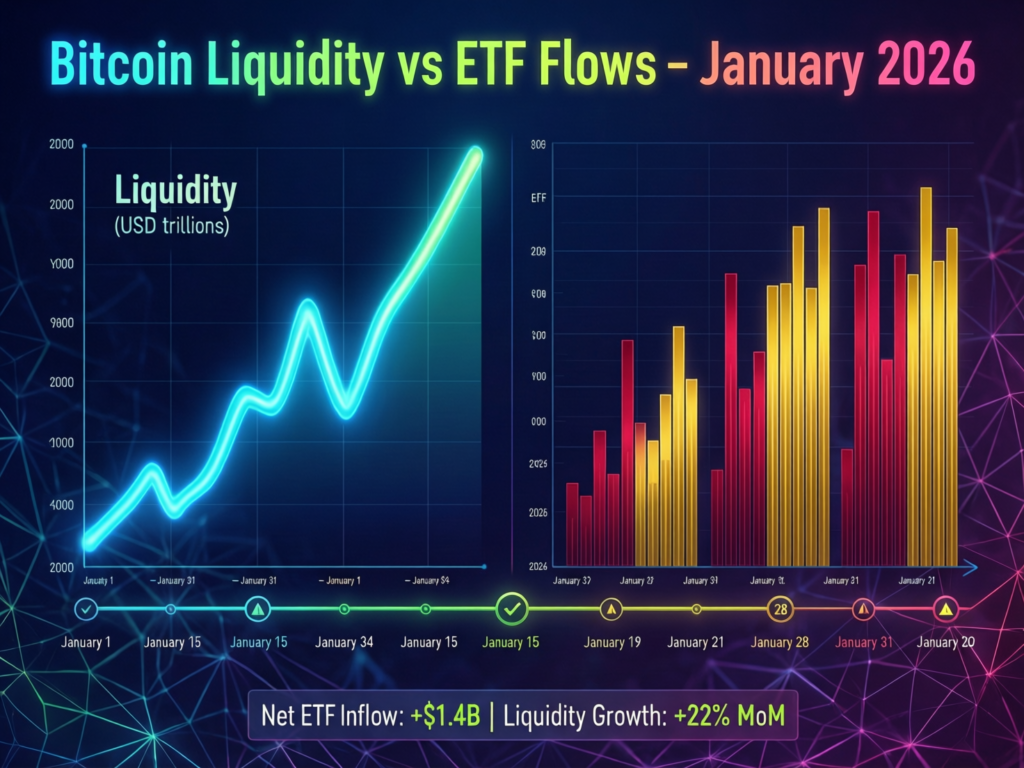
Bitcoin hovered near $89,000 after rebounding from weekend lows around $86,000, but thinner stablecoin liquidity can limit follow-through. Meanwhile, U.S. spot Bitcoin ETFs just logged one of their worst weekly net outflow stretches since 2025, underscoring a broader risk-off tone.
Policy overhang: CLARITY Act delay
Markets are also watching Washington. The Senate recently postponed progress on a stablecoin bill widely dubbed the CLARITY Act, extending regulatory uncertainty for U.S. dollar-pegged tokens. Analysts say meaningful legislation could be an upside catalyst once advanced.
Liquidity lens: reading the stablecoin signal
Stablecoins act like crypto’s transaction chips: money often rotates into USDT/USDC during risk-off phases, then back into coins on rebounds. When the stablecoin base itself shrinks, it implies capital is leaving the ecosystem dampening near-term support for rallies in BTC and altcoins.
Tracking the stablecoin market cap decline 2026
Breadth
The contraction spans top dollar-pegged tokens, with USDC the primary driver lately.
Pace
Santiment flagged a ~$2.24B 10-day drop across leading stablecoins, aligning with recent BTC softness.
Spillovers
ETF outflows and macro caution can reinforce liquidity drain, slowing momentum even when prices bounce.
What the stablecoin market cap decline 2026 means for traders
Weaker dip bids
Less stablecoin float means fewer instant buyers on selloffs.
Slower recoveries
Rallies may need stronger spot inflows or ETF turns to sustain.
Policy sensitivity
Clearer rules on issuance, reserves and redemption could restore confidence.
Context & Analysis
Historically, durable crypto uptrends have coincided with expanding stablecoin float, which greases market microstructure and depth. The current contraction, paired with ETF outflows and policy delays, argues for tempered expectations on “V-shape” rallies until liquidity conditions improve.
Bottom Lines
Bitcoin’s recovery may remain fragile until stablecoin supply stabilizes and ETF inflows turn consistently positive. Due to reduced market liquidity, price rebounds are struggling to gain strong support, keeping investors cautious and short-term volatility elevated.
If a clear regulatory framework for U.S.-issued stablecoins is introduced, market sentiment could improve quickly. This would encourage stablecoin issuance, restore on-chain liquidity, and bring confidence back to the crypto market, providing stronger support for Bitcoin’s long-term growth.
FAQs
Q : What caused the recent stablecoin market cap decline?
A : Redemptions outpaced issuance, with USDC leading the slide as investors rotated to cash, shrinking on-chain liquidity.
Q : How does this affect Bitcoin’s price?
A : Less stablecoin supply can weaken dip-buying power, making rebounds slower unless fresh spot or ETF inflows arrive.
Q : Did ETFs play a role?
A : Yes. U.S. spot Bitcoin ETFs saw notable net outflows recently, consistent with a risk-off bias.
Q : What is the CLARITY Act and why does it matter?
A : It’s a U.S. Senate stablecoin bill whose delay prolongs policy uncertainty for dollar-pegged tokens.
Q : Is the stablecoin market cap decline 2026 temporary?
A : It could be. A policy breakthrough or return of ETF inflows could reverse the trend, but for now the signal is risk-cautious.
Q : Which stablecoin fell most?
A : USDC led the recent decline; USDT dipped modestly.
Q : Where is Bitcoin trading now?
A : Around the high-$80Ks at publication time. Check live feeds for updates.
Facts
Event
Contraction in leading stablecoins’ market cap amid risk-off flowsDate/Time
2026-01-28T10:27:00+05:00Entities
Tether (USDT); Circle Internet Financial’s USD Coin (USDC); Bitcoin (BTC); Santiment; U.S. SenateFigures
USDT+USDC ≈ $257.9B (down from ≈ $265B mid-Dec); ~$2.24B 10-day drop noted by Santiment; BTC near $89KQuotes
“A falling stablecoin market cap shows that many investors are cashing out to fiat…” Santiment (X)Sources
CoinDesk report; Santiment X post; The Block ETF flow update; Reuters Senate coverage.