


Bitfinex hacker freed early under First Step Act, thanks Trump
Ilya Lichtenstein’s early release has renewed public focus on the U.S. prison-reform law known as the First Step Act. The statute, passed in 2018, allows eligible federal inmates to earn time credits by participating in rehabilitation and work programs. These credits can shorten prison terms or move inmates to supervised release earlier than scheduled.
Lichtenstein, who admitted involvement in the 2016 Bitfinex hack involving nearly 120,000 bitcoin, said on X that he left prison early after accumulating earned time credits under the law. He was sentenced to five years for money-laundering related to the historic crypto theft but was released roughly a year into his sentence. His case has sparked fresh debate about how the First Step Act is applied, especially in high-profile financial and cybercrime cases, and whether early release provisions strike the right balance between rehabilitation, deterrence, and public accountability.
What happened
Lichtenstein said Friday he was released early under the First Step Act, the criminal-justice reform law signed during Donald Trump’s first term. He added he intends to contribute to cybersecurity work going forward. Reports the same day noted he had been moved out of prison custody after about one year served on a five-year term imposed in November 2024.
Case background and timeline
U.S. authorities arrested Lichtenstein and his wife, Heather Morgan (aka “Razzlekhan”), in 2022 and later recovered a substantial portion of the stolen bitcoin. In November 2024, a federal judge sentenced Lichtenstein to five years; contemporaneous accounts detail his admission to hacking Bitfinex and laundering the proceeds. Morgan received an 18-month sentence and publicly claimed an early release in 2025. Reuters+2AP News+2
How the First Step Act applies
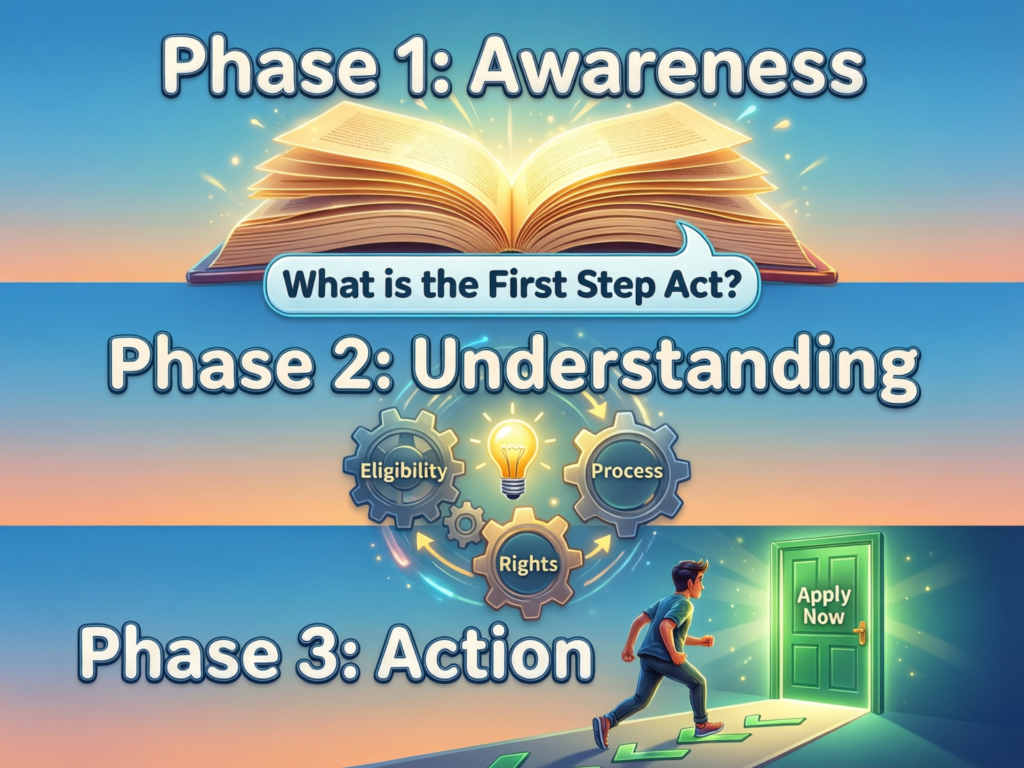
The First Step Act expanded earned-time credits and rehabilitative programming that can reduce prison time or transfer eligible individuals to supervised settings. Crypto and tech outlets reported Lichtenstein credited those provisions for exiting prison custody earlier than his full term. (Specific Bureau of Prisons calculations are not public.)
Reactions and next steps
Morgan shared a photo celebrating his return; Lichtenstein said he aims to “make a positive impact in cybersecurity.” Any remaining restitution, supervision terms, and potential victim compensation continue under the original judgments and federal procedures. Authorities previously indicated Bitfinex may be among parties eligible for restitution, subject to court filings. AP News
The legal and crypto context of Ilya Lichtenstein early release
Lichtenstein’s post-custody status arrives as regulators and courts continue to test the limits of crypto-related prosecutions and penalties. His case featured in documentaries and forthcoming films spotlights how post-conviction reforms can intersect with high-profile financial-crime cases.
What Ilya Lichtenstein early release means for victims and restitution
Early release does not erase restitution obligations or supervised-release terms. Prior filings suggested Bitfinex could be eligible to claim losses; victim submissions were solicited in late 2024. Final determinations rest with the court.
Context & Analysis
The announcement underscores how the First Step Act’s administrative crediting can materially shorten time in prison even in marquee cyber-crime cases. Transparency on credit calculations is limited; independent confirmation typically comes via BOP custody records, which can reflect transfers to home confinement or supervised release rather than an unconditional discharge.
To Sum Up
Lichtenstein’s early release, which he says was made possible through earned credits under the First Step Act, may mark the end of his brief time behind bars, but it does not conclude his legal journey. While his prison sentence has been shortened, the consequences of his conviction continue beyond incarceration.
Key obligations still lie ahead, including supervised release, potential restitution payments, and ongoing court monitoring. These post-release conditions are designed to ensure accountability and compliance with the law. As his case moves forward, legal supervision and financial responsibilities will remain important milestones, highlighting that early release does not mean an end to legal consequences.
FAQs
Q : What did Lichtenstein say about his release?
A : He credited the First Step Act’s earned-time credits for enabling an early release and stated that he plans to pursue work in the cybersecurity field.
Q : When was he originally sentenced?
A : He was sentenced in November 2024 to five years in prison for money-laundering connected to the 2016 Bitfinex hack.
Q : Is the stolen bitcoin recovered?
A : Authorities recovered a substantial portion of the stolen bitcoin, marking one of the largest seizures in U.S. Department of Justice history.
Q : What is the First Step Act?
A : It is a 2018 U.S. law that expands earned-time credits and rehabilitation programs, allowing eligible inmates to reduce prison time or move to supervised release.
Q : Was Heather “Razzlekhan” Morgan also released early?
A : Yes. She publicly referenced an early release in 2025 after serving an 18-month sentence.
Q : Does early release end restitution or supervision?
A : No. Court-ordered restitution and supervised release obligations continue after release.
Q : Does the Bureau of Prisons publish exact credit calculations?
A : Not usually. Credit details appear in custody records rather than public explanations.
Q : Does this confirm a pardon?
A : No. Reports describe an early release through earned credits, not a presidential pardon.
Q : Where can status changes be verified?
A : Through official Bureau of Prisons records or court filings, with summaries often reported by media.
Q : Is this common in white-collar cases?
A : Eligibility varies based on the offense, risk assessment, and program participation, so outcomes differ case by case.
Facts
Event
Early release from prison of Ilya Lichtenstein, who admitted to the 2016 Bitfinex hack; he credits First Step Act earned-time credits.Date/Time
2026-01-03T00:00:00+05:00Entities
Ilya Lichtenstein; Heather Morgan (“Razzlekhan”); Bitfinex; U.S. Department of Justice; Bureau of Prisons; First Step Act (2018).Figures
~119,754 BTC stolen (2016); five-year sentence (Nov 2024); Morgan sentenced to 18 months (Nov 2024). Reuters+1Quotes
“Thanks to President Trump’s First Step Act, I have been released from prison early.” Ilya Lichtenstein (X post). CoinDeskSources
CoinDesk https://www.coindesk.com/tech/2026/01/02/crypto-hacker-ilya-lichtenstein-credits-trumps-first-step-act-for-early-prison-release ; Reuters https://www.reuters.com/technology/us-man-sentenced-5-years-over-laundering-crypto-stolen-bitfinex-hack-2024-11-14/