


How to Cash Out Crypto in Dubai (Expat Guide)
Introduction
Dubai has become one of the world’s busiest crypto hubs, but turning bitcoin or USDT into clean, traceable cash is where many people slip up. If you’re moving serious money, you need a route that works for UAE regulators, your bank and your home-country tax office.
In simple terms, the safest way to cash out crypto in Dubai is to use a regulated virtual asset service provider (VASP), complete full KYC/AML checks, sell to AED, then withdraw to a bank account in your own name. This guide walks you through the main options, how they’re regulated, and what expats from the US, UK and EU should watch out for.
The safest way to cash out crypto in Dubai is to use a regulated VASP licensed by VARA or other UAE regulators, sell to AED, and withdraw to a bank account in your own name. Avoid informal peer-to-peer cash meetups; instead, use compliant exchanges, OTC desks or crypto cards that follow full KYC/AML rules in both the UAE and your home country.
How to Cash Out Crypto in Dubai
Is it legal to cash out crypto in Dubai and the UAE?
Yes if you use the right channels. It’s legal to cash out crypto in Dubai when you go through a regulated VASP licensed under VARA or other UAE regulators and complete standard KYC/AML checks. VARA oversees VASPs in the Emirate of Dubai and keeps a public register of licensed exchanges and brokers, including major global platforms such as Binance and OKX.
Main ways to convert bitcoin and crypto to cash in Dubai
Most residents and expats use one of five main routes for crypto-to-fiat conversion:
Regulated exchanges that let you sell BTC/USDT to AED and withdraw to a UAE bank.
P2P marketplaces (Binance, OKX, etc.) that match buyers and sellers but still run KYC and use escrow.
OTC crypto desks in Dubai for high-ticket, face-to-face deals and bank transfers.
Bitcoin ATMs or kiosks for convenience and smaller amounts, usually with higher fees.
Crypto debit cards that let you send USDT/USDC and withdraw AED at compatible ATMs.
Which method is best for you?
If you’re a Dubai or Abu Dhabi resident with an Emirates ID, a regulated exchange plus bank withdrawal is usually the cleanest route.
Tourists or digital nomads often prefer P2P or small OTC deals with clear limits, invoices and receipts.
High-net-worth investors, DAOs and companies typically use structured OTC off-ramp services with tailored compliance and documentation.
Legal & Regulatory Basics for UAE and the Middle East
UAE crypto legality.
Dubai’s Virtual Assets Regulatory Authority (VARA) issues licences and rulebooks for exchanges, brokers, custodians and other VASPs, creating a formal framework for trading and off-ramping digital assets.
Separately, the UAE Central Bank regulates payment tokens, stored-value facilities and card schemes key to how AED moves after you sell crypto.
Free zones such as ADGM in Abu Dhabi and DIFC in Dubai have their own regimes, so serious investors should always check that their chosen provider is licensed for the specific zone where it operates.
Is it legal to cash out crypto in UAE and the wider Middle East?
Most Middle Eastern countries allow crypto off-ramping through licensed providers, but unregulated peer-to-peer cash deals can breach local AML and FX rules and are best avoided.
In Saudi Arabia (Riyadh, Jeddah), SAMA closely supervises banks and payment institutions, and authorities expect clear source-of-funds explanations.
In Qatar, the QCB and QFMA take a cautious approach, so many Doha-based investors off-ramp via regulated hubs like Dubai or Bahrain while respecting local restrictions.
KYC, AML and source-of-funds checks when selling bitcoin in Dubai
Expect full KYC passport, Emirates ID and proof of address as well as detailed questions if you move larger volumes. Regulated VASPs in the UAE must.
Verify the origin of your coins.
Ask about your trading history.
Sometimes request screenshots, transaction hashes or exchange statements to satisfy AML obligations.
Having this documentation ready, along with clean on-chain history, makes the process smoother.
Safe Ways to Cash Out Crypto in Dubai Today
Using regulated crypto exchanges to sell bitcoin to AED
For most people living in Dubai or Abu Dhabi, the safest route is a licensed exchange.
Send BTC or stablecoins to the exchange.
Sell to AED.
Withdraw to a UAE bank account in your own name.
Look for a regulated virtual asset provider UAE residents can verify on the VARA public register, and confirm it supports AED withdrawals to your specific bank. (vara.ae)
P2P marketplaces in UAE (Binance/OKX etc.) for cash and bank transfers
P2P bitcoin trading is popular with freelancers and remote workers across the region. On major exchanges.
Buyers and sellers complete KYC.
Funds are locked in escrow while the trade happens.
You can choose cash, bank transfer or local wallet options.
This is still far safer than unregulated Telegram or WhatsApp meetups, especially if you stick to verified merchants and reasonable amounts.
Crypto to cash OTC in Dubai for high-volume deals
OTC crypto desks in areas like Business Bay and Dubai Marina specialise in high-volume bitcoin to fiat conversion for family offices, DAOs and founders. Providers such as Pallapay offer cash or bank transfers in multiple currencies while applying bank-grade compliance checks and issuing invoices or trade confirmations.
For large exits, this can reduce slippage and provide more tailored documentation than simply selling through a public order book.
Bitcoin ATMs and crypto kiosks in Dubai and the Middle East
A small number of bitcoin ATMs and kiosks let you.
Scan a QR code from your wallet.
Send crypto.
Receive AED notes.
These are convenient for modest travel cash or emergencies but often come with higher fees, strict limits and tighter KYC. Six-figure exits are better handled via exchanges or OTC desks.

Crypto debit/credit cards for spending and ATM withdrawals
Crypto cards from global providers convert BTC or stablecoins to fiat at the time of purchase. In practice, you.
Send USDT/USDC to the card provider.
Spend directly in shops or withdraw AED at compatible ATMs.
Remember that the issuing entity sets the limits and fees, not UAE regulators. Overseas transaction charges can be high, so always check the fee schedule and confirm that the provider is properly regulated in its home jurisdiction.
Convert Bitcoin to Cash Legally in UAE
Move funds from your wallet to a regulated UAE exchange
To cash out, you typically.
Open and verify an account with a regulated VASP that serves Dubai residents.
Transfer crypto from your cold or hot wallet to your exchange deposit address.
Sell bitcoin or stablecoins to AED via a spot trade or instant-sell feature so the funds are ready for withdrawal.
Example: A Dubai e-commerce founder uses a licensed exchange for off-ramping, then hires Mak It Solutions to integrate automated reporting into their ERP so finance always sees real-time crypto off-ramp flows and bank receipts.
How to withdraw crypto to a UAE bank account in AED
Once you’ve sold to AED.
Choose the “withdraw to bank account” option in your exchange app.
Add your IBAN and account name.
Confirm the withdrawal and save the confirmation.
Local AED transfers to banks in Dubai or Abu Dhabi usually settle within a few hours to one business day, depending on cut-off times and internal checks.
How to sell bitcoin in UAE and send EUR/USD/GBP back home
If you’re cashing out from New York, London or Berlin, a common route is.
Sell bitcoin to AED in Dubai on a regulated platform.
Withdraw to a UAE bank account.
Send funds onward via SWIFT, SEPA or UK Faster Payments to your home bank.
Many expats prefer this two-step approach because it creates a cleaner audit trail for tax offices like the IRS, HMRC or EU authorities.
Typical fees, limits and settlement times for UAE cash-outs
While every platform is different, you can expect.
Around 0.1–1% trading fees on most major exchanges.
Small withdrawal charges for bank transfers.
Tighter limits and more checks for new users and tourists.
Larger deals often needing manual approval and enhanced KYC, but still typically settling within 1–3 business days.
Cashing Out Large Amounts & OTC Crypto Desks in Dubai
When to use an OTC crypto desk in Dubai instead of a regular exchange
OTC desks become attractive once your trade size is large enough that order-book slippage starts to hurt common for founders exiting tokens, DAOs and high-net-worth families. Instead of selling manually on-screen, you.
Negotiate a fixed price.
Agree the settlement currency (AED, USD, EUR, GBP).
Confirm how and when funds will land.
For investors running businesses across the GCC, this private-bank-style approach can feel much safer than trying to unload everything via retail interfaces.
KYC limits, proof of funds and compliance for OTC deals
Serious OTC providers in Dubai, ADGM or DIFC will usually ask for:
Passport and proof of address.
Company registration documents (if applicable).
Detailed source-of-funds and source-of-wealth files.
You should expect questions about which exchanges you used, when you acquired your coins, and whether any DeFi protocols or mixing services were involved. Having organised records and on-chain evidence is crucial.
Business and DAO cash-outs
For large or corporate cash-outs, the safest route is.
Use a licensed OTC desk that onboards your company.
Verify directors, UBOs (ultimate beneficial owners) and source of funds.
Wire AED/EUR/USD/GBP through compliant banking rails with full documentation.
Structuring cash-outs for a UAE free-zone entity alongside a US LLC or German GmbH often needs robust IT and data controls exactly where Mak It Solutions’ services help design secure workflows, logging and documentation so you can satisfy both GCC and Western regulators.
Cash Out Crypto in the Middle East Beyond Dubai
How to cash out crypto in Saudi Arabia and Qatar legally
Saudi Arabia and Qatar are stricter than Dubai, but not closed.
In Saudi Arabia, many Riyadh fintech startups follow SAMA guidance and route off-ramps via licensed international exchanges and UAE banks, then bring SAR back through transparent remittance channels.
In Qatar, some SMEs use GCP’s Doha region for data hosting and then cash out via regulated corridors in Dubai, keeping QCB, tax and AML expectations in mind.
Selling crypto for cash in Bahrain, Oman and Kuwait
Bahrain is a serious fintech hub, with central bank-licensed exchanges and infrastructure such as the AWS Bahrain region.
Oman and Kuwait have fewer local options, so residents often rely on regional VASPs in Dubai or Manama, or licensed P2P platforms.
Wherever you are, keep full records of each crypto off-ramp: transaction hashes, exchange statements and bank receipts.
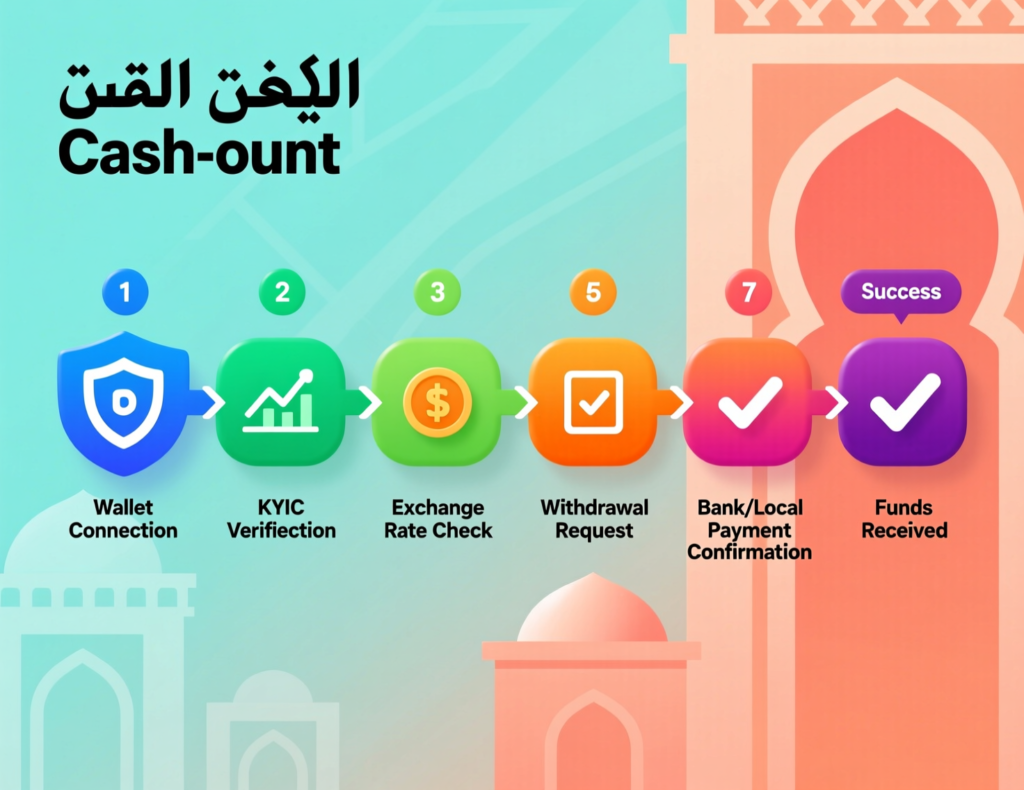
Bitcoin ATMs and regional off-ramp hubs across the Middle East
Most bitcoin ATMs cluster around Dubai, Manama and tourist-heavy areas. They’re handy for modest travel cash but not suitable for six-figure exits. For bigger moves, investors typically choose Dubai or Bahrain as regional off-ramp hubs, then send funds home via SEPA or SWIFT once everything is documented.
Tax & Reporting for US, UK, German and EU Residents
Why cashing out in Dubai doesn’t always mean “tax-free”
Even if Dubai doesn’t tax your crypto gains, your home country may still treat every sale or swap as a taxable disposal. The key factor is your tax residency, not where the exchange or OTC desk is located.
This article is for general information only and is not tax or financial advice. Always speak to a qualified advisor in your jurisdiction.
US citizens: IRS rules when selling crypto in UAE or Middle East
US citizens and green-card holders are taxable on their worldwide income. Selling crypto in Dubai is still a taxable event in the eyes of the IRS, even if the funds never touch a US exchange.
Make sure you.
Keep detailed records of dates, prices and fees.
Export statements from your UAE exchange or OTC desk.
Ensure your reports line up with your US tax returns.
UK expats: HMRC, CGT and overseas crypto cash-outs
Many professionals leaving London or Manchester assume HMRC disappears overnight once they move to Dubai. Unfortunately, it doesn’t:
You may have UK tax obligations for part of the year you leave.
You might remain UK-resident under the Statutory Residence Test, even while living in the UAE.
Crypto disposals in AED can still create UK capital gains if you’re UK-resident for tax.
German/EU residents
For residents of Berlin, Frankfurt or elsewhere in the EU, the new MiCA regime and local tax rules still apply when you sell crypto abroad. If you later send funds back into a SEPA account:
Your bank may ask where the money came from.
Your tax office could request proof of the original crypto trades.
Keeping all VARA-licensed off-ramp records especially for larger transfers makes life much easier.
How to Choose the Safest Cash-Out Route in Dubai
Quick decision tree: bank transfer, cash, card or OTC?
Use this as a quick rule-of-thumb:
Under 20,000 AED + resident: regulated exchange → sell to AED → withdraw to UAE bank.
Tourist / no UAE bank: P2P on a major exchange or a small OTC deal with proper KYC and an invoice.
Over six figures or corporate: licensed OTC desk with full agreements, banking rails and structured documentation.
Everyday spend: crypto card for low to medium amounts, plus a regulated exchange for bigger exits.
Red flags to avoid with Dubai crypto cash-out services
Be cautious of services that
Promise “no ID” or “no questions asked”.
Ask to meet in random malls or hotel lobbies.
Insist on mixing your coins before sale.
Have no physical office, no company registration or refuse to issue receipts.
Any of these are strong reasons to walk away.
Compliance-first checklist before you sell crypto in UAE
Before you off-ramp, quickly confirm
Is the provider listed as a regulated virtual asset provider UAE-wide or under VARA?
Do you clearly understand their KYC, limits and fee structure?
Is your on-chain history clean, with screenshots and hashes ready as source-of-funds evidence?
Have you considered home-country tax and reporting obligations?
Do you have secure IT processes in place backups, access controls and logs where Mak It Solutions can support you with compliant architecture?
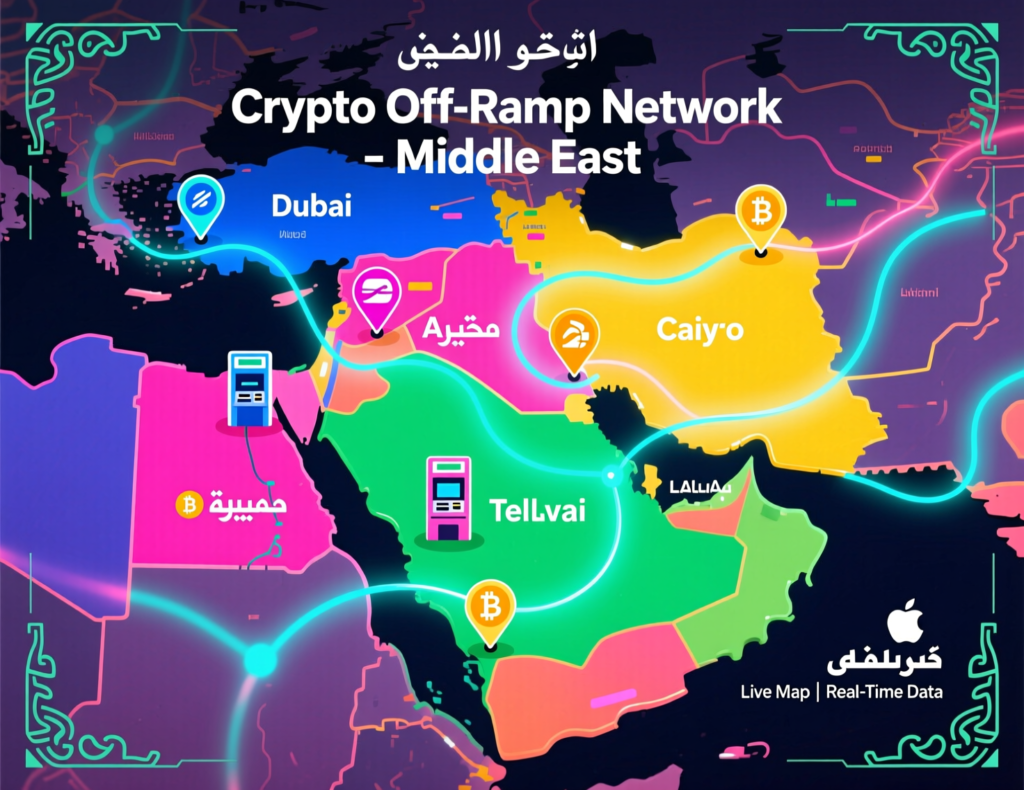
If you’re serious about cashing out crypto in Dubai or the wider GCC, treating it like a proper financial project not a quick side hustle is what keeps you safe.
The team at Mak It Solutions can help you design secure, compliant data flows between exchanges, banks and your internal systems, so every AED, USD or EUR is fully traceable. Explore our IT and digital services to build a crypto off-ramp setup that works for your business, your tax advisors and the regulators who may review your files in the future.
FAQs
Q : Can tourists in Dubai cash out crypto to cash or bank, or do you need a UAE residency visa?
A : Tourists can usually cash out modest amounts of crypto through regulated exchanges, P2P platforms or OTC desks, as long as they pass KYC and provide a valid passport. Some exchanges require a UAE bank account, but OTC providers may offer cash or international transfers instead. Limits are often lower for non-residents, and enhanced checks apply faster, so keep amounts reasonable and maintain clear records for your home tax authority and any UAE regulator.
Q : Is it safer to cash out stablecoins (USDT/USDC) instead of bitcoin when selling crypto in Dubai?
A : In practice, many UAE traders first convert volatile coins into stablecoins, then cash out USDT/USDC because pricing is simpler and liquidity is deeper. From a compliance perspective, authorities care more about who you are and where funds came from than whether you used BTC or USDT. Stablecoins may, however, be treated as payment tokens under UAE rules, bringing them closer to traditional money-services oversight by the Central Bank. Keeping everything on major, VARA-licensed platforms and documenting each step is more important than the specific token. (Central Bank of the UAE)
Q : Will my US, UK or EU bank question transfers coming from a UAE crypto exchange or OTC desk?
A : Yes, your bank may ask for additional information, especially for larger SWIFT or SEPA transfers coming from the UAE. Compliance teams in New York, London or Berlin often want invoices, trade confirmations and proof that your provider is properly licensed. If your UAE partner follows robust KYC/AML standards and you can show clear documentation, most banks are comfortable processing crypto off-ramp proceeds. Keeping detailed statements and, when necessary, working with IT partners like Mak It Solutions to centralise records makes these conversations much easier.
Q : How much crypto can I cash out in Dubai without triggering enhanced AML/KYC checks?
A : There is no magic “safe” number, because regulated exchanges and OTC desks look at your overall profile, not a single threshold. Small, occasional withdrawals that match your income are unlikely to raise concerns, while frequent trades or high six-figure deals almost always trigger enhanced due diligence. Providers must comply with UAE AML rules and, in some cases, international standards such as FATF, so be ready to provide full source-of-funds documents. Planning larger cash-outs with a compliance-focused partner rather than dozens of random trades is usually safer and more transparent.
Q : What’s the difference between using a Dubai OTC desk and a global exchange when off-ramping large amounts?
A : A global exchange gives you self-service access to order books and automated withdrawals, which is ideal for day-to-day trading and smaller exits. A Dubai OTC desk, by contrast, works more like a private bank: you agree a price, structure the settlement (AED, USD, EUR, GBP) and complete KYC at a higher standard. For large exits, corporate entities or DAOs, OTC can reduce market impact and provide tailored documentation that satisfies SAMA, QCB or European regulators. Many serious investors combine both building positions on exchanges, then off-ramping their biggest tickets through regulated OTC crypto desks in Dubai.