
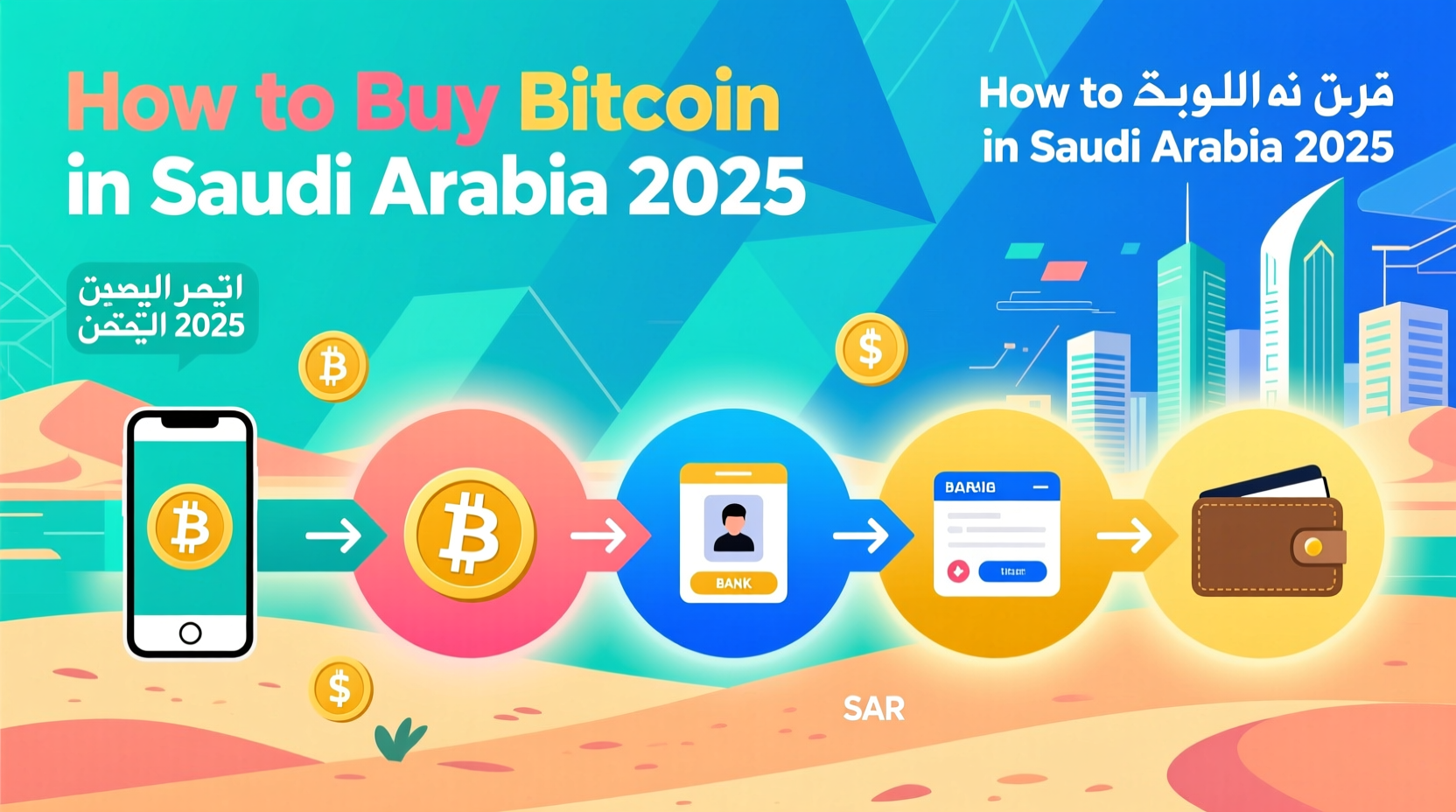

How to Buy Bitcoin in Saudi Arabia Safely (2025 Guide)
You can get exposure to Bitcoin while living in Saudi Arabia in 2025, but open cryptocurrencies still sit in a legal grey zone: regulators treat them as high risk, unregulated and off-limits for local banks, even though there is no dedicated “crypto law” yet.The safest routes usually involve fully regulated exchanges or investment products in the US, UK, EU/Germany or licensed GCC hubs, combined with professional legal and tax advice so you don’t accidentally breach Saudi or home-country rules.
Introduction
Saudi Arabia is quickly becoming a serious fintech hub. The number of fintech companies has climbed from just over a dozen in 2020 to more than 250 by 2025, helped by initiatives like Fintech Saudi and the Financial Sector Development Program.Yet when you look at how to buy Bitcoin in Saudi Arabia, the rules are still far stricter and less clear than what most people are used to in the US, UK or EU.
Before going any further, a quick reminder: nothing in this guide is legal, financial or tax advice. It’s an educational overview so you can ask better questions of qualified advisors in Riyadh, Jeddah, Dammam/Khobar or back home in New York, London or Berlin.
The hype vs reality of buying Bitcoin in Saudi Arabia
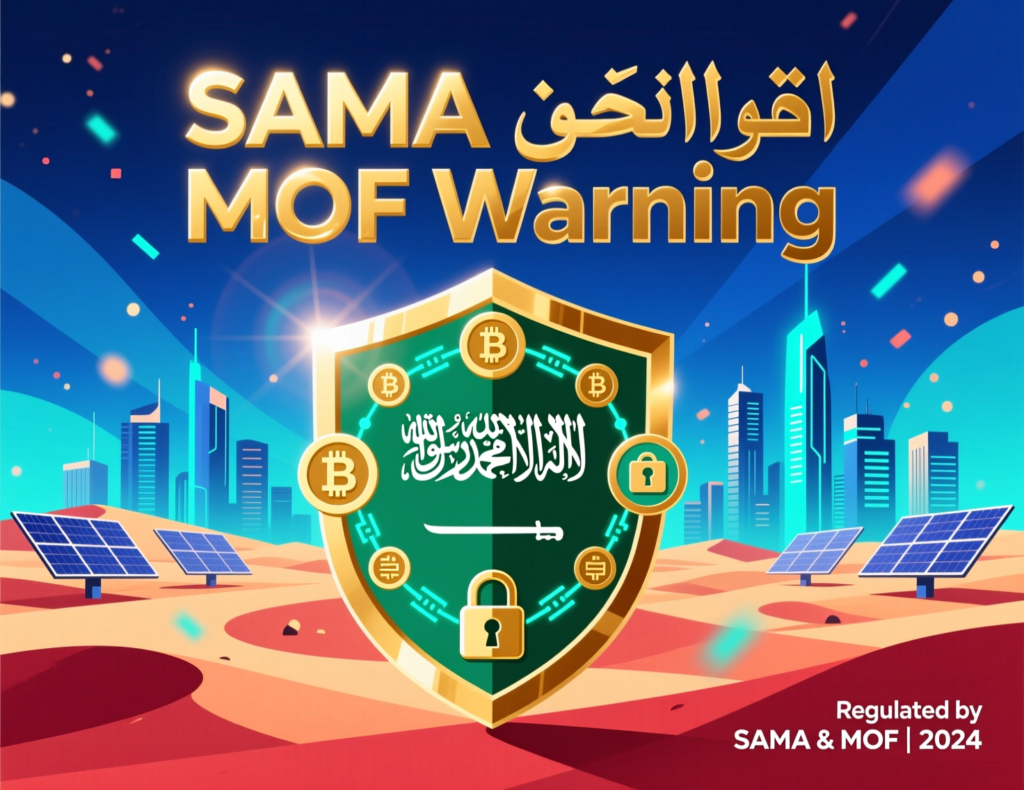
On social media, you’ll see plenty of “how to buy Bitcoin in Saudi Arabia in 5 minutes” claims and aggressive ads from global exchanges with polished Arabic landing pages. The reality on the ground is much more cautious. SAMA and the Ministry of Finance have repeatedly warned that virtual currencies are unregulated, high risk and associated with fraud, and banks are explicitly restricted from dealing in them.
At the same time, the Kingdom is running blockchain pilots, experimenting with digital currencies (like Project Aber with the UAE) and even exploring regulated stablecoins with the support of global exchanges. So the door isn’t completely shut, but it’s heavily controlled and still evolving.
As of late 2025, Saudi Arabia has no dedicated cryptocurrency law, but official positions from SAMA, the Capital Market Authority (CMA) and the Ministry of Finance treat Bitcoin and similar assets as unlicensed, high-risk instruments that fall outside the regulatory framework and are off-limits for local financial institutions.This leaves individuals in a “use at your own risk” environment where the safest paths to exposure usually involve regulated products or foreign exchanges plus independent legal advice.
Who this guide is (and isn’t) for
This guide is written for three main groups.
Saudi residents curious about Bitcoin as a speculative or long-term investment.
Expats from the USA, UK and Germany working or living in the Kingdom who still have bank accounts back home.
People abroad who plan to move to Saudi Arabia or send BTC to family members or business partners there.
This guide is not for you if.
You’re looking for ways to hide income, evade sanctions or “bypass the banking system.”
You’re unwilling to follow Saudi law, your home-country tax rules (IRS, HMRC, German tax authorities) and global AML/KYC requirements.
Is Bitcoin Legal in Saudi Arabia in 2025?
One-sentence legal snapshot for Saudi residents
For individuals in Saudi Arabia, Bitcoin sits in a grey legal area: a standing committee has declared virtual currencies “illegal and unlicensed,” and the Ministry of Finance warns they are not recognized by legal entities or traded by local financial institutions even though the Kingdom has not yet passed a dedicated cryptocurrency law.
What SAMA, CMA and the Ministry of Finance actually say
The Saudi Central Bank (SAMA) issued a widely cited 2018 warning stating that virtual currencies are not regulated in the Kingdom, are not approved by any official authority and carry high risks for investors.SAMA has kept a cautious stance since then: financial institutions must not deal in crypto unless explicitly authorised.
The Capital Market Authority (CMA) supervises securities, funds and structured products. Where Bitcoin appears inside investment products (for example, foreign ETFs or notes accessible to Saudi or GCC investors), the CMA’s rules on marketing, disclosure and investor protection may come into play.
In 2019, the Ministry of Finance (MOF) explicitly warned against dealing or investing in virtual currencies, noting that they are outside the regulatory framework, not recognized by legal entities and not traded by local financial institutions.Recent overviews from international bodies and the Law Library of Congress still describe Saudi’s stance as risk-averse and grey-zone: no explicit legalization, and a heavy focus on AML and consumer protection.
Banks, payment channels and what is explicitly restricted
In practice, the tightest restrictions show up at the banking and payments layer.
Banks in Saudi Arabia are prohibited from engaging in cryptocurrency transactions unless they obtain explicit approval from SAMA.
This affects how you can use Saudi riyal (SAR) cards, Mada-linked debit cards, and domestic bank transfers with institutions like Saudi National Bank (SNB) or Al Rajhi Bank.
Any exchange or “crypto opportunity” claiming to be bank-backed in KSA should be treated with extreme caution unless you see written confirmation and clear licensing on SAMA or CMA lists.
As a working rule: assume that using your Saudi bank account directly for Bitcoin is restricted unless your bank gives clear written guidance that aligns with SAMA and MOF statements.
Sharia and ethical considerations
Many Muslim scholars raise concerns about Bitcoin’s volatility, speculative trading (maysir), and uncertainty (gharar), as well as its lack of intrinsic value and state backing.Opinions in the wider Muslim world differ: some view Bitcoin as impermissible speculation, while others see it as a new asset class that may be acceptable under strict conditions, especially if states issue or regulate it more clearly.
If you want sharia-compliant Bitcoin investing in Saudi Arabia, you should.
Speak with a qualified local Sharia advisor or Islamic finance scholar.
Consider whether limited, diversified exposure (e.g., via regulated funds) fits the spirit of your ethical and religious goals.
Be wary of any product marketed as “100% halal Bitcoin” without transparent Sharia board approvals and documentation.
How to Buy Bitcoin in Saudi Arabia Step by Step
(This section describes what a more compliant journey might look like where permitted. Always respect Saudi law and your home-country rules.)
Decide if Bitcoin fits your goals and risk profile
Before focusing on how to buy Bitcoin in Saudi Arabia, ask whether you should own it at all. Bitcoin is still highly volatile, with deep drawdowns even in “bull” years and a total market cap around USD 1.7–1.8 trillion in late 2025.
Questions to reflect on
Do you just want a small BTC exposure (for example, 1–3% of your net worth)?
Are you interested in broader crypto, or would more regulated alternatives like ETFs or diversified funds be more suitable?
Would you sleep better staying fully in fiat and regulated investments (mutual funds, sukuk, equity markets like Tadawul)?
If Bitcoin starts to look like anything other than a speculative, high-risk slice of your portfolio, you’re probably mis-framing it.
Choose your route: local access, GCC platforms or home-country exchange
There isn’t a single “Saudi Bitcoin exchange” that works like a local stockbroker. Instead, people usually choose among three main routes when exploring how to invest in cryptocurrency in Saudi Arabia 2025:
Exposure via regulated products (USA/UK/EU)
US investors in places like Austin or New York might use SEC-regulated Bitcoin ETFs through a brokerage account.
UK investors in London or Manchester might access exchange-traded notes or crypto ETPs through FCA-regulated platforms.
German or EU investors can use MiCA-ready exchanges and investment products supervised by BaFin or other EU regulators.
GCC-licensed exchanges
Nearby hubs like Dubai, Abu Dhabi and Manama have clearer licensing regimes and regulatory sandboxes for digital-asset exchanges.
Some of these platforms accept Saudi residents, but usually with strict KYC/AML controls and explicit jurisdiction statements you need to read carefully.
Home-country exchanges for expats
A US expat in Riyadh may keep a US bank account and a Coinbase-style account in the States, buying Bitcoin under US rules while physically living in Saudi Arabia.
A UK or German expat might do the same through FCA- or BaFin-regulated exchanges, using GBP or EUR bank transfers from home.
Whichever route you choose, you need to check whether using these services while resident in Saudi Arabia is allowed under both Saudi policy and your home-country laws.
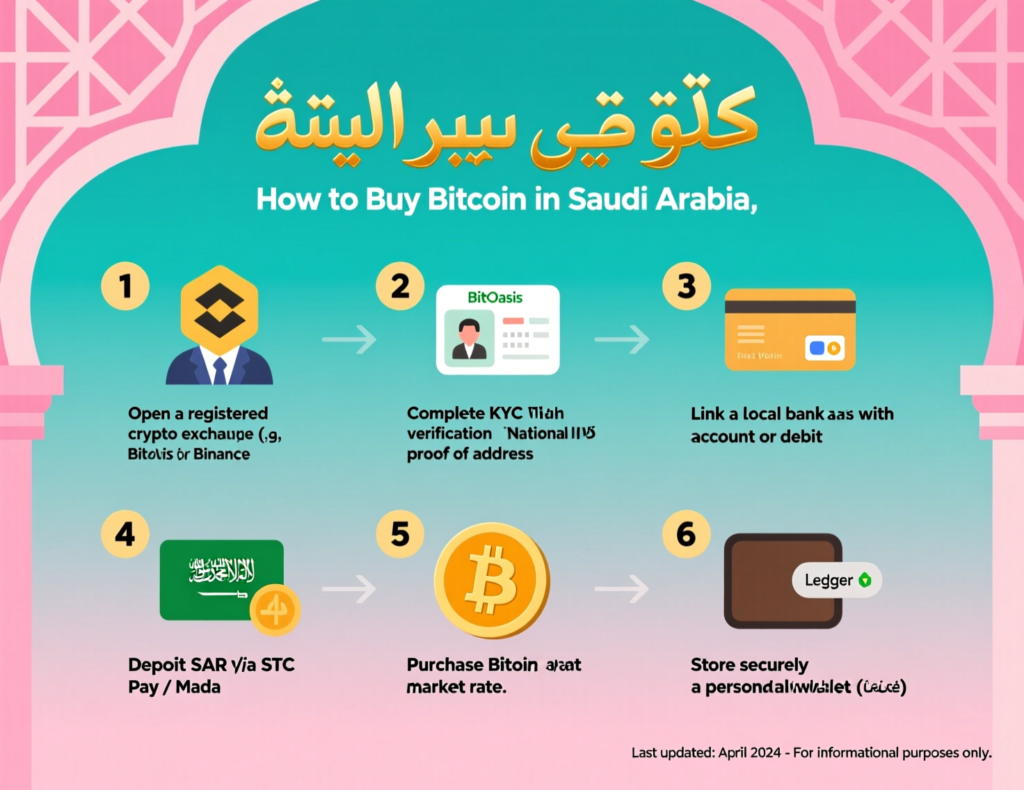
Create your account and pass KYC
Whether you’re in Berlin, London, Dubai or New York, regulated exchanges will typically ask you to:
Upload government ID (passport, iqama, national ID).
Provide proof of address (utility bill, bank statement).
Confirm source of funds (salary, savings, business income).
Pass sanctions and AML screening, often aligned with FATF’s travel rule expectations.
Many serious exchanges highlight compliance with GDPR/DSGVO, SOC 2 or PCI DSS as signals that your data and card details are handled securely especially relevant for EU- and US-based platforms.
Fund your account and place your first BTC order
Common funding methods on compliant platforms (where permitted) include:
Bank transfers from US, UK or EU bank accounts (ACH, SEPA, Faster Payments).
Debit or credit cards from banks in your home country.
In some cases, GCC payment rails if you’re using a licensed regional platform.
Some simple rules of thumb.
Avoid informal money changers, anonymous Telegram or WhatsApp groups, and unlicensed SAR-to-BTC schemes operating in Saudi Arabia. These are exactly the kinds of practices regulators warn about.
Start with a small test deposit.
Use a market order for your very first trade, then learn limit orders to control your entry price and reduce slippage and wide spreads.
Document and review: records, limits and exit strategy
From day one, behave as if an auditor might knock on your door:
Export your full transaction history and wallet addresses for tax reporting (IRS in the US, HMRC in the UK, and the German tax authorities in Germany).
Set a maximum percentage of net worth you’re willing to keep in BTC (many conservative investors cap this at 1–5%).
Have an exit plan: what happens if Saudi tightens rules, your home country introduces stricter crypto taxes, or your personal circumstances change?
How to Buy Bitcoin in Saudi Arabia Safely
Safest ways to buy Bitcoin in Saudi Arabia without breaking local rules
The safest way to buy Bitcoin “for Saudi Arabia” is to use only fully KYC-compliant, well-regulated platforms in the GCC, US, UK or EU, and make sure none of your actions contradict SAMA or MOF guidance especially around using Saudi bank accounts directly for crypto. Avoid anonymous P2P trades, unlicensed “investment schemes” aimed at Saudi residents and any platform that tries to dodge basic KYC.
If you’re building a public-facing fintech or crypto-education site, pairing this compliance mindset with clean technical SEO (for example, smart indexing controls) helps your content stay discoverable without overselling risk.
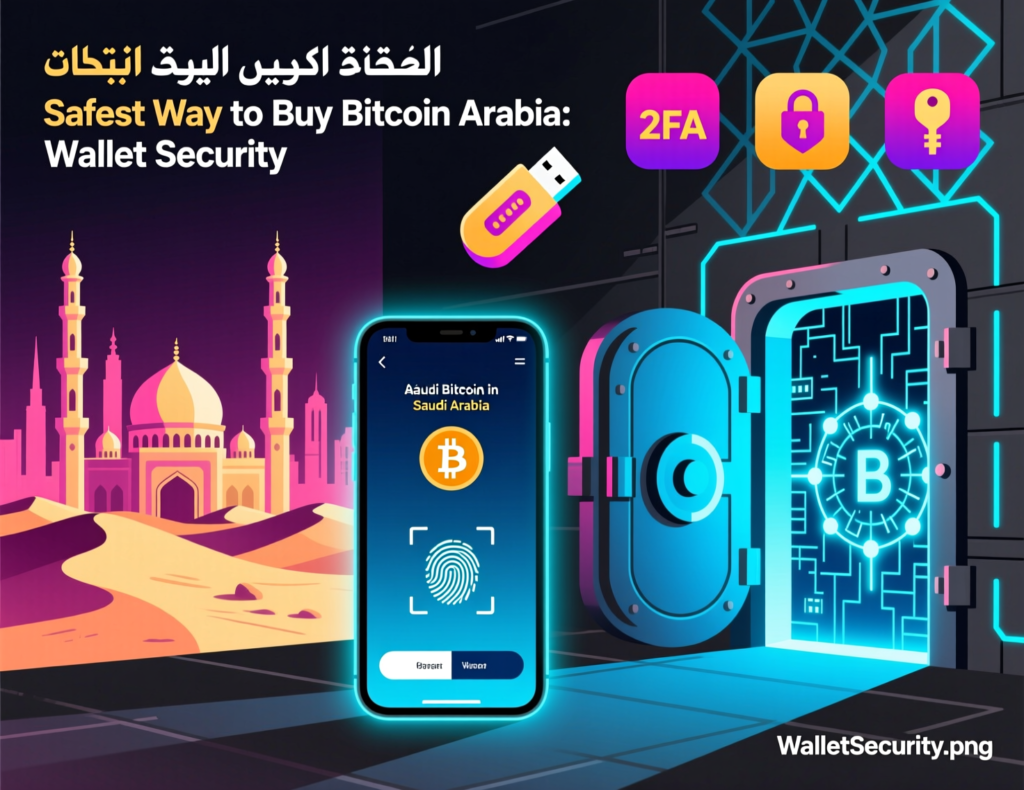
Secure wallets: mobile, exchange, hardware and cold storage
Once you’ve bought BTC, you need to decide where to keep it. Your main wallet options are.
Exchange wallets
Very convenient for beginners; no need to manage private keys.
Higher risk if the exchange is hacked, freezes withdrawals or collapses.
Mobile app wallets from reputable providers
Some, like Zengo and other non-custodial wallets, target users in the GCC with strong security and recovery options. ([Akseer Research][9])
Good for smaller everyday amounts and quick transfers.
Hardware wallets (Ledger, Trezor, etc.)
Often the best choice for long-term holdings and higher balances.
Only buy from official websites or trusted retailers, and never share or photograph your seed phrase.
If you’re building dashboards or wallet education tools around this, performance-focused architectures like server-side rendering or static generation can make the UX smoother for users in Saudi Arabia and across the GCC.
How to store Bitcoin offline after buying in or for Saudi Arabia
A simple offline-first security workflow
Create a new wallet (hardware or a well-reviewed non-custodial app).
Write your seed phrase on paper or metal not in your phone gallery, not in cloud notes.
Enable 2FA on any exchange accounts and the email addresses linked to them.
Test with a small transfer from the exchange to your new wallet to confirm everything works as expected.
For higher balances, consider multi-signature setups or splitting backups between trusted locations (for example, one copy in Riyadh and one in your home country).
Avoiding Bitcoin scams that target Saudi residents
Saudi authorities have already shut down various commodity and gold scams; crypto scams often look very similar. Be cautious when you see:
Guaranteed or “risk-free” returns.
Social-media “gurus” or WhatsApp groups promising daily profits.
Fake endorsements allegedly from SAMA, CMA or Saudi royals.
Pressure to send SAR to foreign IBANs quickly or “park funds” in a mystery app.
A basic due-diligence checklist:
Check whether the platform is licensed in its home jurisdiction (FCA, BaFin, SEC/CFTC, VARA in Dubai, etc.).
Type domain names manually; avoid look-alike phishing sites.
Look for independent reviews, not just influencer promotions.
Where possible, check regulator lists or warning pages before sending any funds.
For teams building educational or onboarding journeys around this, a headless CMS can make it easier to keep risk warnings and FAQs up to date in English and Arabic.
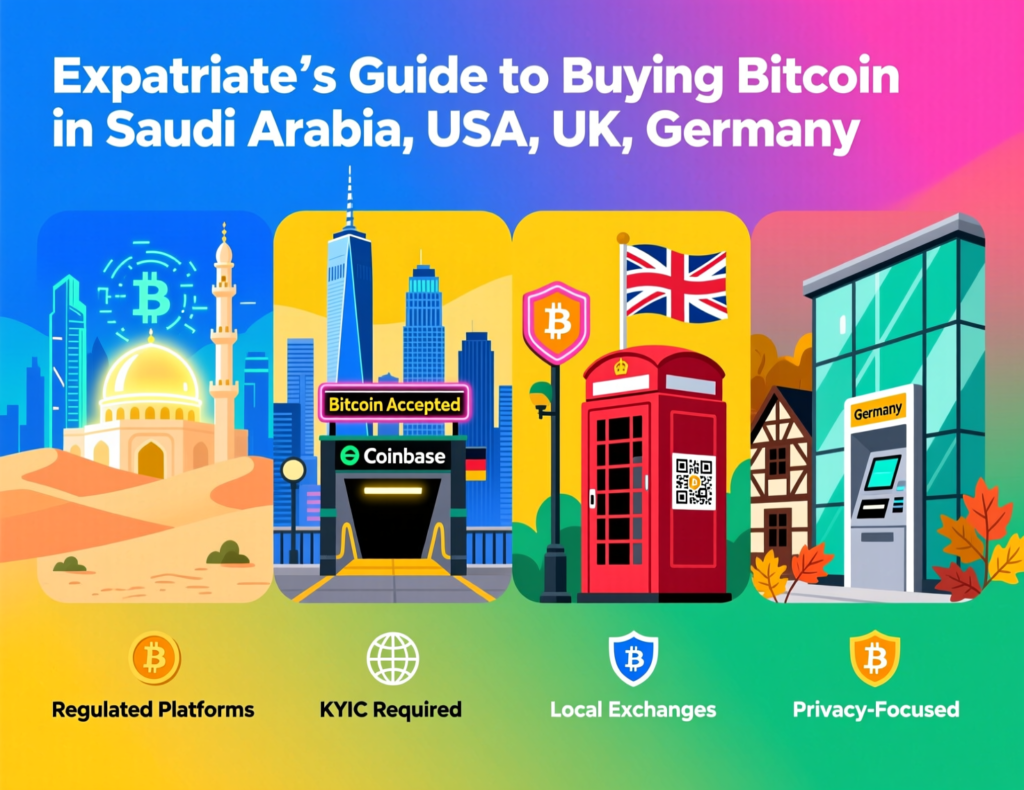
Expat Guide: Buying Bitcoin for Use in Saudi Arabia (USA, UK & Germany)
How to buy Bitcoin in Saudi Arabia from a US bank account
Most US expats in Saudi Arabia who search “how to buy bitcoin in saudi arabia from usa bank account” end up using US-regulated exchanges linked to their US checking accounts. They buy Bitcoin under US rules, then send BTC to a personal wallet they control from Riyadh or Jeddah. You still need to follow US tax rules (capital gains, FBAR/FATCA reporting) and avoid using Saudi banks in ways that clash with SAMA policy.
If you’re thinking about tax on Bitcoin when moving from USA to Saudi Arabia, speak with a US tax professional: simply living in Saudi doesn’t usually exempt you from US tax on crypto gains.
UK residents and expats.
For UK residents or expats:
Use FCA-regulated exchanges and brokers that clearly explain their crypto permissions and risk disclosures.
You may wonder: “Can I use Binance to buy Bitcoin in Saudi Arabia from a UK account?” The answer depends on both Binance’s current UK permissions and Saudi policy; always check live guidance from the FCA and from the platform itself.
Bitcoin income or gains may remain taxable under UK rules if you stay UK-tax-resident or return there later, even if you held coins while working in Saudi Arabia.
This is a complex area. An FCA-aware tax advisor in London is far better placed than any online guide.
German/EU expats.
For German or EU expats, MiCA and GDPR/DSGVO matter a lot:
EU-regulated exchanges operating under MiCA apply strict KYC/AML rules and robust data-protection controls when onboarding Saudi-based users.
You can typically fund accounts with EU bank transfers in EUR, buy BTC and then move it to wallets you use while living in the Kingdom — as long as your activity doesn’t breach Saudi restrictions.
Expect cross-border KYC questions about your residency, employment and source of funds; this is normal and designed to satisfy both EU and GCC regulators.
If you’re launching educational content or expat-focused fintech tools around this flow, frameworks like WordPress, Webflow or Wix compared in detail here and here can help you ship compliant landing pages quickly.
Choosing the Best Crypto Exchange for Saudi-Focused Buyers
What “best crypto exchange for Saudi Arabia” really means
When people search for the best crypto exchange in Saudi Arabia, they often jump straight to fee comparisons when they should be comparing safety and compliance first:
Licensing & regulation
SAMA/CMA where relevant, plus FCA (UK), BaFin (Germany), SEC/CFTC (US) or recognised GCC regulators.
Security
Proof-of-reserves, SOC 2, PCI DSS, strong incident-response practices.
Fiat on-ramps
Support for USD, GBP, EUR and, where clearly permitted, SAR via GCC channels.
Fees and spreads
Transparent maker/taker fees and tight BTC order books.
In this context, “best” should mean “safest, most transparent and legally solid for my situation”, not “cheapest fees this week.”
Comparing regional GCC exchanges vs global players
Broadly, you’ll come across two buckets of platforms:
GCC hubs (Dubai, Abu Dhabi, Bahrain)
These jurisdictions have clearer licensing regimes and regulatory sandboxes for digital assets and tokenisation, and position themselves as regional crypto hubs. They can be a good fit for Saudi residents who want something geographically close but still regulated.
Global brands with “Saudi” landing pages
Platforms like Binance, Bitget, Bitcoin.com, Changelly, LocalCoinSwap or Zengo sometimes advertise that you can “buy Bitcoin in Saudi Arabia.
Treat this mainly as marketing copy, not a legal guarantee. Always verify:
Which legal entity you’re actually using (for example, EU vs offshore).
Which regulators oversee that entity.
Whether their terms of service allow onboarding of Saudi residents.
For small GCC fintechs or exchanges building marketing sites around these offerings, Webflow development services or Shopify vs WooCommerce comparisons can help you choose the right stack for compliant user flows.
P2P and SAR-based options.
Many searches focus on “buy bitcoin with Saudi bank account” or “buy bitcoin with Saudi riyal P2P.” In theory, P2P platforms can match you with sellers who accept bank transfers or cash in SAR. In practice:
You risk violating banking restrictions if you use your Saudi bank account for crypto trades that SAMA has not approved.
Cash or in-person trades introduce physical risks (robbery) and make you more vulnerable to fraud or AML investigations.
For most Saudi residents and expats, P2P should be a last resort and only via fully licensed platforms that clearly comply with regional AML standards.
Concluding Remarks
In 2025, Bitcoin in Saudi Arabia remains a high-risk, grey-zone asset. Regulators emphasise danger, fraud and AML concerns, and banks cannot touch crypto without SAMA’s explicit blessing. The safest routes usually involve regulated exchanges and products in the US, UK, EU or GCC, plus strong self-custody habits and good documentation.
You should seriously consider not buying Bitcoin if
You are uncomfortable with 50%+ price swings.
You don’t have time to understand wallets, backups and tax rules.
You would be tempted to borrow money or use credit cards to speculate.
Checklist before you buy any Bitcoin related to Saudi Arabia
Before buying
Verify the current legal status with a local lawyer or compliance advisor.
Choose your jurisdiction and exchange (US/UK/EU/GCC) based on regulation, not hype.
Confirm you’re not using your Saudi bank account in a way that contradicts SAMA/MOF guidance.
Set your risk limit (maximum % of net worth in BTC).
Decide your wallet plan (exchange vs mobile vs hardware + backups).
Plan tax reporting in your home country.
Avoid debt-funded BTC purchases or pledging essential savings.
Keep records of everything: trades, transfers, wallets.
If you’re publishing this kind of checklist online, think about technical SEO and structured data so search engines can surface your content clearly guides on indexing controls are a good starting point.
Soft CTA to Mak It Solutions
If you’re a founder, family office or professional in the GCC, the bigger question isn’t just “how to buy Bitcoin,” but how digital assets fit into your broader technology, data and compliance strategy. Mak It Solutions works with organisations across the US, UK, Germany and the wider EU on secure cloud, data and analytics architectures that can support regulated fintech and digital-asset use cases. While we don’t give individual legal or tax advice, we can help your team design safer, more compliant systems and ask sharper questions of your advisors.
For content-heavy portals that track evolving Bitcoin and regulation topics, pairing headless CMS with a performant front-end (for example, server-side rendering or static generation) can keep everything both fast and adaptable.
If you’re exploring Bitcoin or broader digital assets in or around Saudi Arabia and want to sanity-check your tech and data stack, Mak It Solutions is happy to help.
Request a short risk and regulation discovery call to map your current systems, or share your fintech/crypto roadmap and we’ll highlight technical, security and data-governance gaps before you go live. You can start by reaching out via the contact options on makitsol.com and referencing this 2025 Saudi Bitcoin guide.
For brands that need a clean, fast public presence around these topics, consider our guidance on WordPress vs Webflow vs Wix or our dedicated Webflow development services.
FAQs
Q : Can I use my Saudi credit card or bank account on foreign crypto exchanges in 2025?
A : In most cases, Saudi banks are not allowed to engage in cryptocurrency transactions unless they obtain explicit approval from SAMA, and MOF has warned that virtual currencies are outside the regulatory framework and not traded by local financial institutions. Some foreign exchanges may technically accept Mada, Visa or MasterCard cards issued in Saudi Arabia, but using them for crypto purchases could put you at odds with bank policies or future enforcement. Always check live guidance from your bank, read the terms of any exchange carefully and speak with a local legal advisor before attempting to use Saudi payment methods.
Q : Are profits from Bitcoin held while living in Saudi Arabia taxable in my home country (US/UK/Germany)?
A : Saudi Arabia does not currently impose a broad personal income tax on most residents, but that does not mean your home country ignores your Bitcoin gains. US citizens and green card holders remain fully taxable on worldwide income, UK residents may owe capital-gains tax depending on residency and domicile, and German taxpayers can face tax on crypto disposals subject to holding-period rules.If you have any ties to the US, UK or Germany, assume you might owe tax and get professional advice before trading.
Q : Is it safer to keep Bitcoin on an exchange or move it to a hardware wallet if I live in Saudi Arabia?
A : From a security perspective, moving medium-to-large holdings to a non-custodial or hardware wallet is usually safer than leaving everything on an exchange, because you’re not exposed to a single company’s hacking or bankruptcy risk. From a practical perspective, exchanges are more convenient for frequent trading or converting back to fiat. Many Saudi-based users keep a small, active balance on a reputable, regulated exchange and store the majority of their BTC offline in a properly backed-up hardware wallet with 2FA and strong operational hygiene.
Q : What documents do I need to pass KYC when opening a crypto account as a Saudi resident or expat?
A : Most regulated exchanges in the US, UK, EU or GCC will ask for a government ID (passport, iqama or national ID), proof of address (utility bill, bank statement, tenancy contract) and sometimes proof of income or source of funds.They also screen users against sanctions and watchlists in line with FATF standards. If you’re an expat, you may be asked for both Saudi and home-country documents. Always provide accurate information: falsifying KYC is a serious compliance and legal risk.
Q : How can I check if a “crypto opportunity” targeting people in Saudi Arabia is a scam or a licensed investment?
A : Start with three checks: (1) Licensing verify the company’s regulator (FCA, BaFin, SEC, SAMA, CMA, UAE or Bahrain regulators) and confirm it appears on official registers; (2) Claims be suspicious of guaranteed profits, secret strategies or promises of “government-backed” tokens using Saudi symbols like the Riyal or national emblem; and (3) Payment flows walk away if you’re pushed to send SAR to a foreign IBAN in a hurry or to deposit into an unknown app. ([Ministry of Finance][5]) When in doubt, ask a licensed financial advisor or lawyer in Saudi Arabia to review the offer before sending any money.