
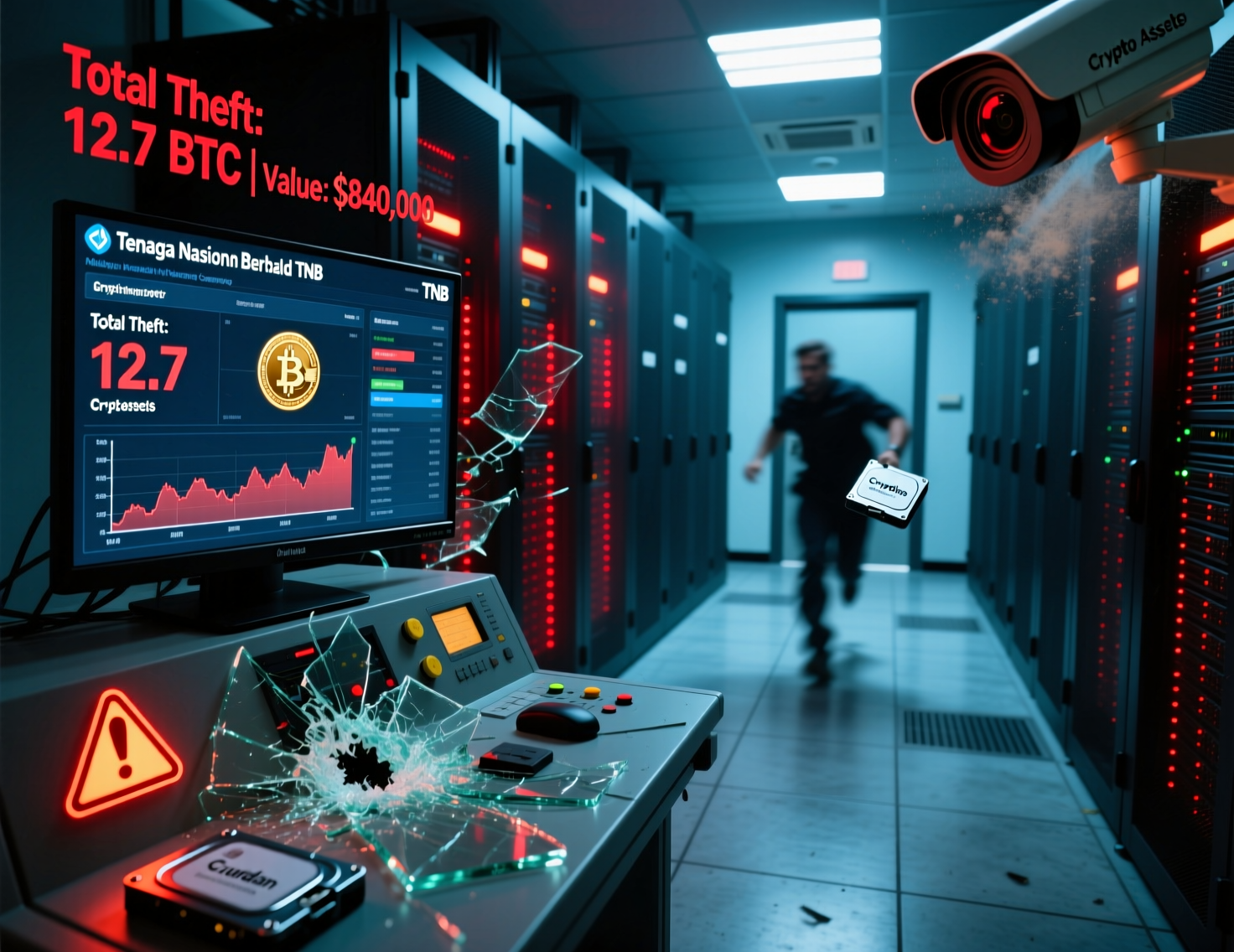

Malaysia’s Tenaga Nasional incurs losses of more than $1 billion from crypto power theft
Malaysia’s government has reported a significant rise in electricity theft linked to cryptocurrency mining, highlighting growing challenges for the national power grid. According to a parliamentary written reply, Tenaga Nasional, the country’s primary electricity provider, suffered losses amounting to RM4.6 billion (≈US$1.11 billion) between 2020 and August 2025. The figures point to a widespread issue, as illicit crypto mining operations tap into the grid without authorization, increasing strain on infrastructure and raising safety concerns.
During the five-year period, authorities identified 13,827 premises involved in electricity theft. The scale of the problem underscores the difficulty of monitoring and enforcing regulations across multiple regions, as well as the need for stricter oversight and preventive measures to protect both the energy sector and legitimate consumers from further disruption and financial loss.
Scope of the losses and time frame
The Energy Transition and Water Transformation Ministry told Parliament that investigations since 2020 uncovered 13,827 locations illegally drawing electricity for mining primarily bitcoin resulting in RM4.6 billion in losses borne by TNB. Reuters reported the written reply was dated Tuesday, Nov. 18, 2025 (local), with the figure equivalent to roughly US$1.11 billion based on the cited exchange rate. Reuters+1
Enforcement measures and legal backdrop
While Malaysia has no specific law banning crypto mining, authorities emphasized that meter tampering or bypassing connections is a criminal offence under the Electricity Supply Act. In response, multi-agency raids have seized bitcoin mining equipment, and TNB has introduced an internal database of suspected premises and is deploying smart meters at substations to flag abnormal loads in real time.
Regional and market context
Local media accounts echo the ministry’s figures and describe ongoing joint operations across states, highlighting safety risks, revenue leakage, and grid stability concerns as drivers for stepped-up enforcement.
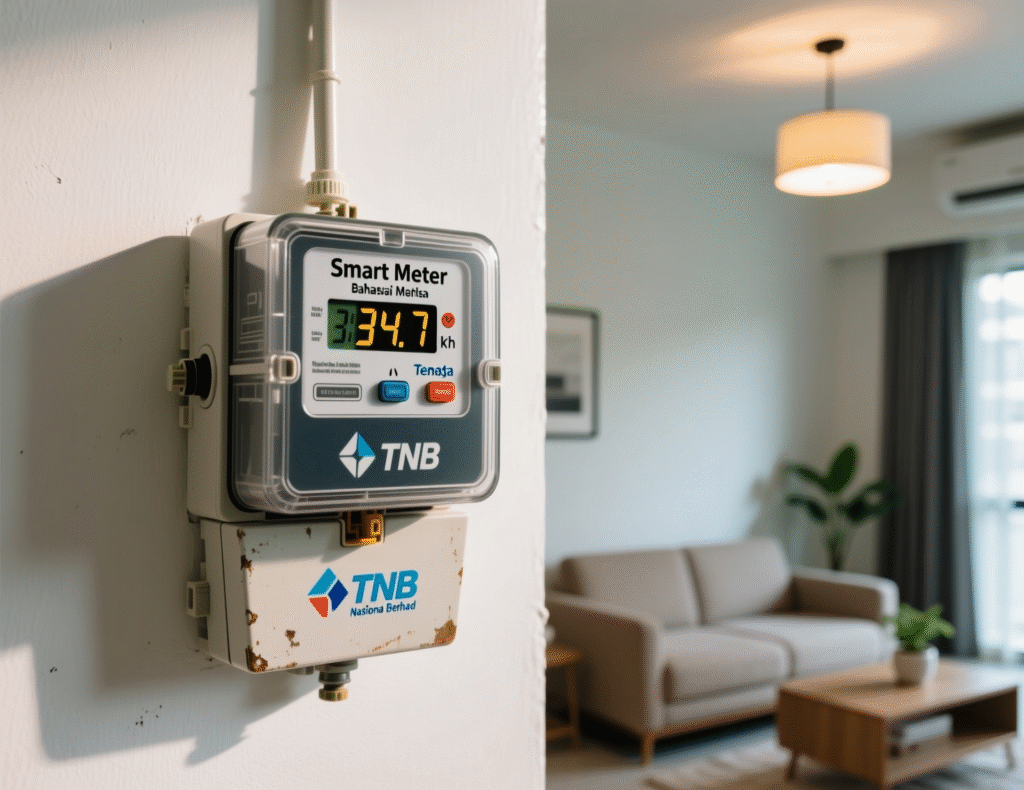
Tenaga Nasional crypto power theft: what’s next
Officials signaled continued enforcement alongside technical countermeasures, including analytics on consumption anomalies and closer coordination with police and communications regulators. The government has previously tied broader grid investments to reliability as data-center and AI power demand rises.
Context & Analysis
Malaysia’s numbers suggest persistent arbitrage where miners externalize energy costs by stealing power. The scale tens of thousands of sites supports continued technical monitoring (smart meters, anomaly detection) and multi-agency enforcement. Given rising regional electricity demand, theft linked to mining could amplify stress on distribution networks unless detection and penalties deter offenders.

Conclusion
Malaysia’s Parliament has been informed that Tenaga Nasional Berhad (TNB) has incurred losses of RM4.6 billion due to electricity theft linked to cryptocurrency mining since 2020. Over this period, authorities identified 13,827 premises involved in illicit tapping of the national grid, reflecting the widespread nature of the problem and its impact on the country’s energy sector.
Officials emphasized that ongoing raids and continuous monitoring are being carried out to address the issue. These measures aim to curb further financial losses, protect grid stability, and ensure the safety and reliability of electricity supply for legitimate consumers nationwide.
FAQs
Q: How much did TNB lose to crypto-related electricity theft?
A : About RM4.6 billion (≈US$1.11 billion) from 2020 to August 2025.
Q: How many premises were involved?
A : 13,827 premises were identified over the period.
Q: Is crypto mining illegal in Malaysia?
A : Mining itself is not specifically banned, but tampering with meters or bypassing electrical connections is illegal under the Electricity Supply Act.
Q: What is being done to stop it?
A : Joint raids, equipment seizures, smart meter rollouts, and a TNB database of suspected premises are being used.
Q: Why is this a risk to the grid?
A : Large, hidden loads can overheat wiring, cause outages, and distort demand, creating safety and reliability risks.
Q: Where did the figure come from?
A : A written parliamentary reply tabled on Nov. 18, 2025 and reported by reputable news outlets.
Q: Does this article use the phrase “Tenaga Nasional crypto power theft”?
A : Yes, the exact term appears in the headline, subheads, and FAQ for clarity and searchability.
Facts
Event
Report to Parliament on electricity theft linked to crypto mining impacting TNBDate/Time
2025-11-19T10:38:00+05:00Entities
Tenaga Nasional Berhad (TNB); Energy Transition and Water Transformation Ministry (Malaysia); Parliament of MalaysiaFigures
RM4.6 bn losses (≈US$1.11 bn); 13,827 premises; Exchange ref: $1 = RM4.1460 (as cited)Quotes
“Smart meters are also being installed … to detect any power manipulation in real time.” Ministry written reply (via Reuters)Sources
Reuters (Malaysia’s Tenaga Nasional incurs losses of more than $1 billion from crypto power theft https://www.reuters.com/sustainability/boards-policy-regulation/malaysias-tenaga-nasional-incurs-losses-more-than-1-billion-crypto-power-theft-2025-11-19/), The Star Malaysia (Electricity theft from illegal bitcoin mining costs TNB RM4.57bil in losses https://www.thestar.com.my/news/nation/2025/11/19/electricity-theft-from-illegal-bitcoin-mining-costs-tnb-rm457bil-in-losses-parliament-told)