
Polymarket’s Trading Volume May Be 25% Fake, Columbia Study Finds
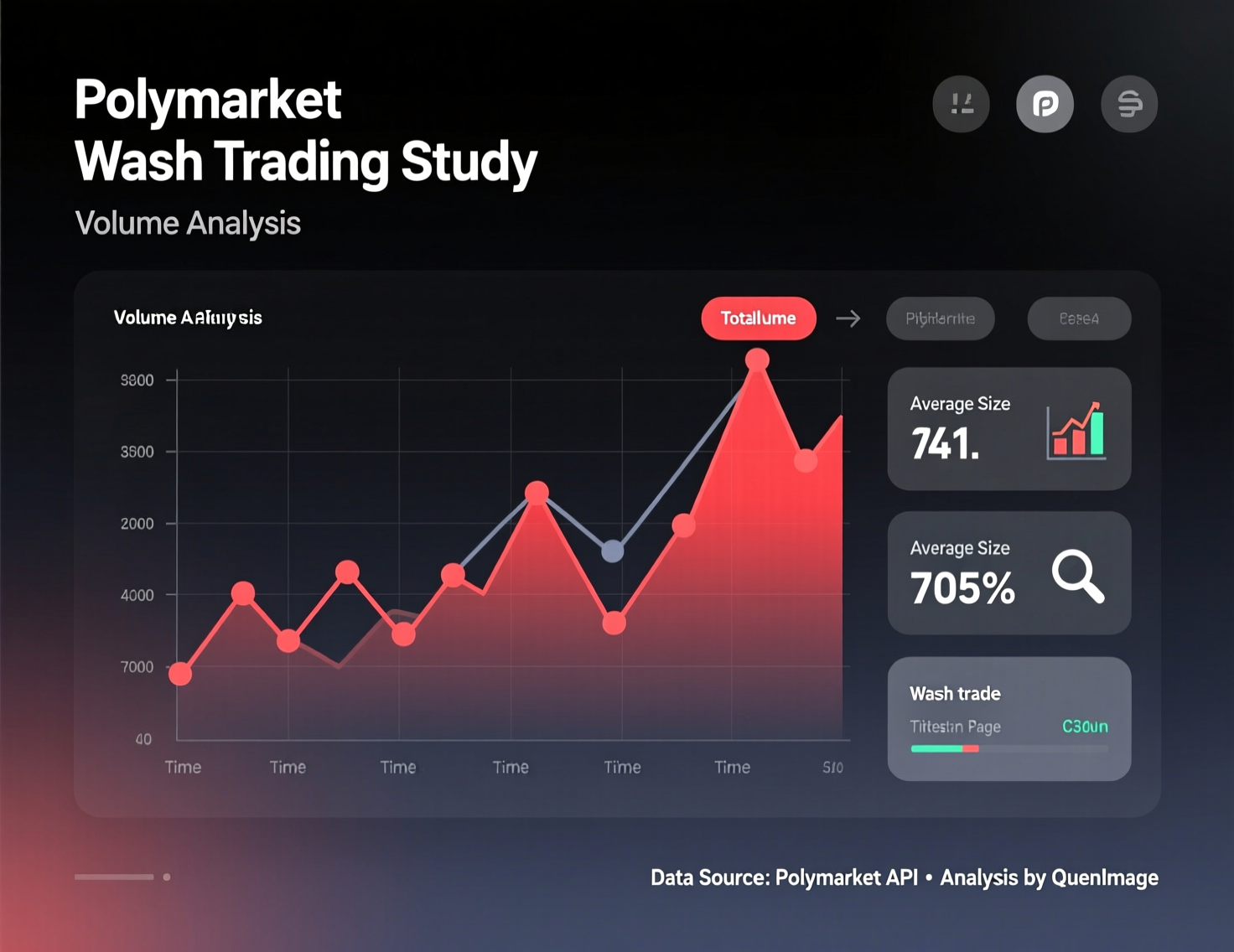
A new study by Columbia University researchers suggests that almost 25% of Polymarket’s historical trading volume may be inflated by wash trading. The report finds users frequently buying and selling the same contracts often between related wallets without changing their overall positions, creating the illusion of higher market activity.
The researchers identified major surges in such activity during December 2024 and noted persistent patterns through October 2025. Election and sports markets appeared most affected, with concentrated bursts of repetitive trades distorting liquidity and engagement metrics. The findings raise questions about the authenticity of on-chain trading volumes and signal the need for greater transparency and oversight in decentralized prediction markets.
What the Columbia team found
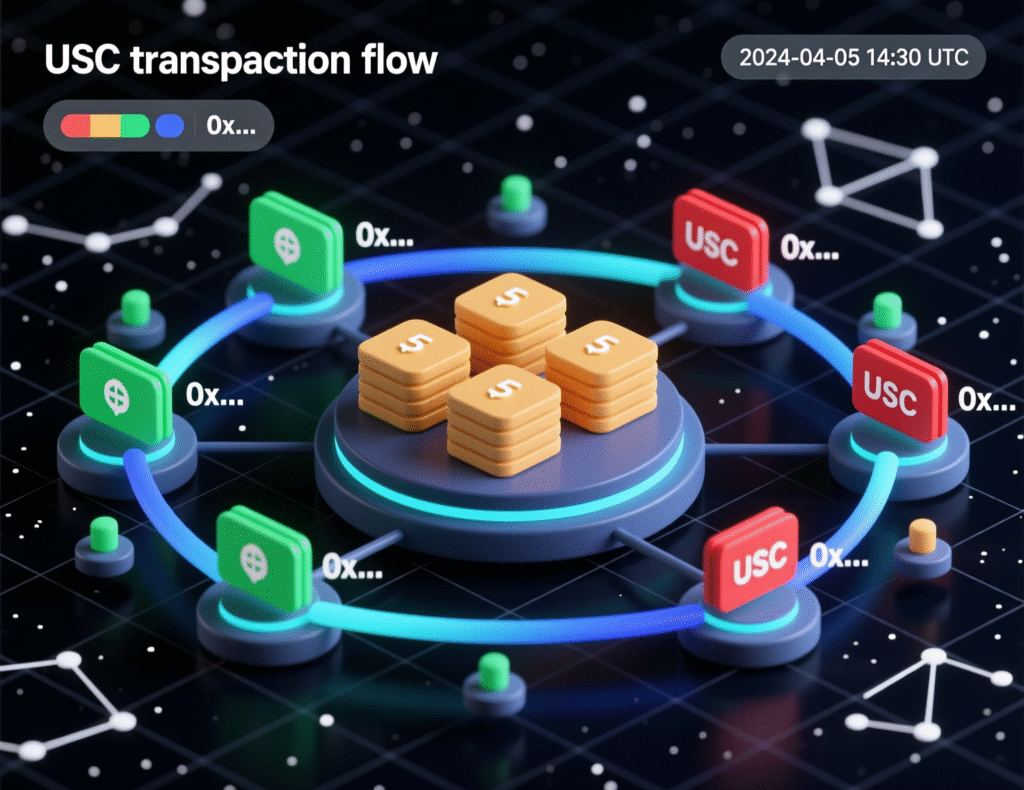
In a paper released Thursday, the authors estimate that about 25% of Polymarket’s activity fits a wash-trading profile they call “artificial trading.” Their on-chain method examines how frequently wallets open and then quickly close positions, particularly when interacting with other wallets exhibiting the same behavior. A large 43,000-wallet cluster accounted for roughly $1 million in volume, mostly in sub-penny trades, with the vast majority flagged as likely wash trading.
Peak periods and affected markets Polymarket wash trading study
The paper suggests weekly artificial activity approached 60% of volume in December 2024 and remained material through October 2025. Election and sports markets were most affected; in some weeks, more than 90% of trades in these categories were flagged.
Why it matters for users and market integrity
Wash trading is illegal in traditional markets and generally condemned in crypto because it distorts volume and sentiment signals. The researchers argue that inflated activity can mislead users about market depth and consensus, undermining confidence in prediction markets as tools for aggregating information. They recommend network-based surveillance to identify loops and clusters and restore trust. SSRN
Incentives and the airdrop effect
Despite high activity, many flagged wallets did not book profits, suggesting motives beyond trading gains. The authors and independent coverage point to future rewards (e.g., token airdrops or rankings) as likely drivers. Notably, Polymarket’s CMO said in October 2025 that “there will be a token, there will be an airdrop,” coinciding with the platform’s planned U.S. relaunch conditions that can attract volume-gaming behavior.
Platform design and vulnerability Polymarket wash trading study
The study notes Polymarket uses USDC, lacks mandatory KYC, and charges no trading fees on many interactions features that can reduce friction for coordinated trading. Researchers say these characteristics, alongside speculation about a token, may raise exposure to wash trading unless mitigations are introduced.
Context & Analysis
Academic work on crypto wash trading shows activity can surge when incentives exist and enforcement is weak. The Columbia paper’s network-based approach aligns with broader literature on algorithmic detection of self-dealing in digital assets, though exact thresholds and false-positive rates warrant public review.
Polymarket response and next steps
Polymarket did not comment by press time. The company has signaled a formal U.S. return and token issuance, while reportedly seeking funding at a high valuation developments that could shape its approach to surveillance and user incentives ahead of any relaunch.
Conclusion
The Columbia study highlights how platform incentives and design choices can significantly shape market integrity on open trading venues. When rewards or fee structures fail to account for repeated self-trading, they can encourage artificial activity that distorts true market sentiment.
To improve reliability, researchers suggest that prediction platforms adopt network-aware monitoring to detect linked wallets and adjust incentive models to limit churn. Such measures could help ensure that market movements reflect genuine information and participant belief especially in politically charged or sports-focused categories where credibility is most at stake.
FAQs
Q : What did the Columbia study conclude about Polymarket?
A : It estimated about 25% of historical volume was likely wash trading, with higher spikes at times.
Q : Which markets were most affected?
A : Election and sports markets saw the highest flagged activity, some weeks exceeding 90% of trades.
Q : Why would traders wash trade without profit?
A : To pursue future incentives like airdrops or rankings rather than immediate gains.
Q : How did researchers detect coordinated behavior?
A : They used a network-based algorithm analyzing rapid open/close patterns and wallet clusters/loops.
Q : Is wash trading illegal on prediction markets?
A : Wash trading is illegal in traditional markets and broadly discouraged in crypto; platform rules vary by jurisdiction.
Q : Did Polymarket respond?
A : No response at press time.
Q : Does the “Polymarket wash trading study” mean all volume is fake?
A : No. The estimate is ~25% on average; genuine trading continues alongside suspicious activity.
Facts
Event
Columbia paper estimates significant wash trading on PolymarketDate/Time
2025-11-07T23:05:00+05:00Entities
Columbia University researchers; Polymarket; USDC (Circle); election & sports marketsFigures
~25% average artificial volume; up to ~60% weekly peak (Dec 2024); some weeks >90% flagged in categories; one cluster >43,000 wallets; ~$1M low-price volumeQuotes
“There will be a token, there will be an airdrop.” Polymarket CMO (Oct 24, 2025)Sources
CoinDesk (study report) https://www.coindesk.com/markets/2025/11/07/polymarket-s-trading-volume-may-be-25-fake-columbia-study-finds ; SSRN (paper page) https://papers.ssrn.com/sol3/papers.cfm?abstract_id=5714122