
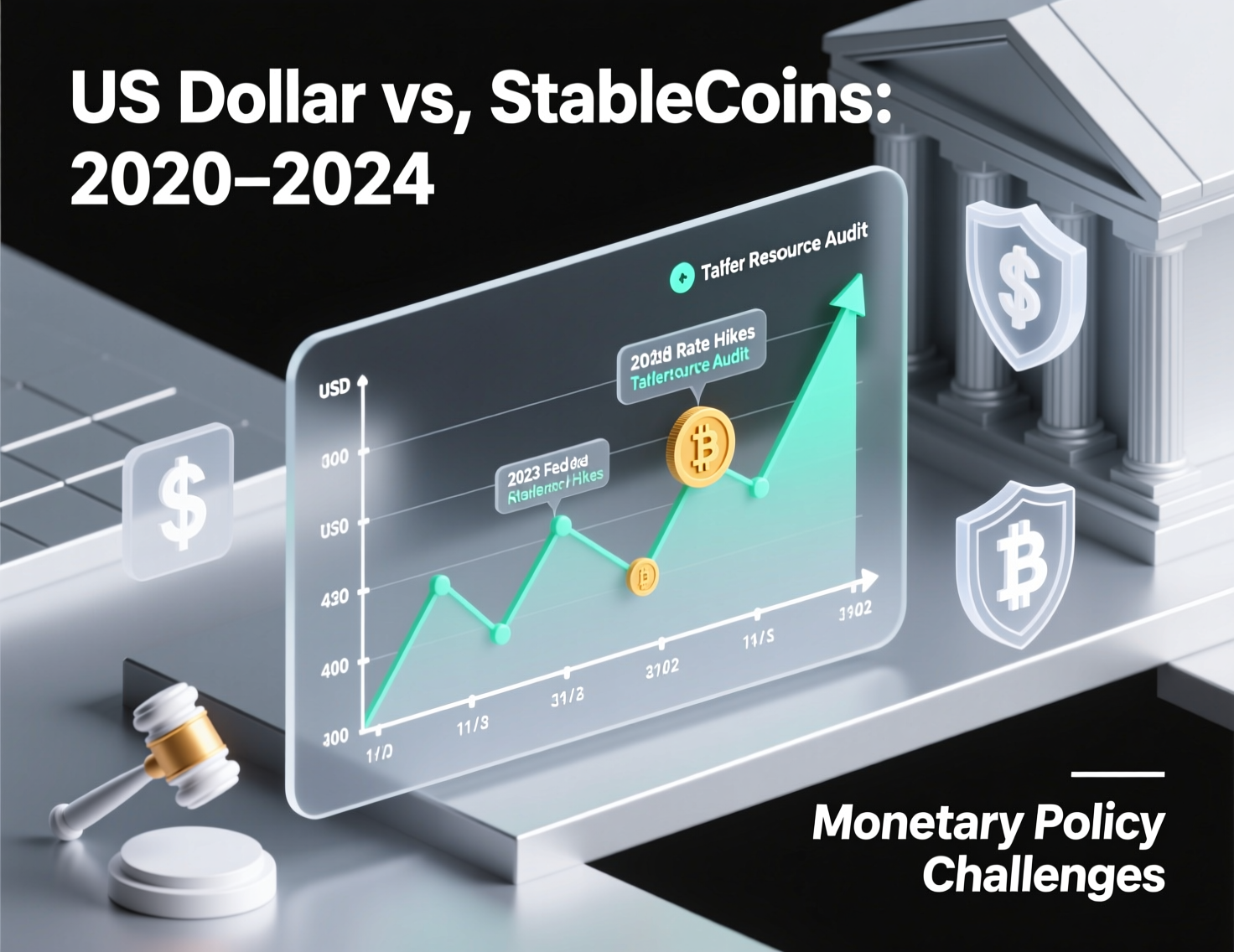

US dollar stablecoins to raise challenges for global monetary policy, India chief economic advisor says
India’s Chief Economic Adviser V. Anantha Nageswaran warned that the rapid growth of dollar-pegged cryptocurrencies could pose challenges for central banks worldwide in 2026. He said the expansion of these stablecoins may interfere with monetary policy transmission and reduce seigniorage revenue, potentially weakening national control over liquidity and currency flows.
Nageswaran added that India faces fewer risks due to its robust digital payments ecosystem, particularly the Unified Payments Interface (UPI), which limits local demand for dollar-linked tokens. His comments come as the market value of stablecoins exceeds $300 billion, reigniting global debate over how U.S. dollar-backed crypto assets could influence financial stability, cross-border capital movement, and the effectiveness of domestic monetary policy frameworks.
Why it matters: policy and market signals
Nageswaran warned that widespread use of dollar stablecoins may hamper interest-rate transmission and erode governments’ seigniorage. He also said stablecoins could increase competition for bank deposits, potentially reshaping intermediation. Global watchdogs have raised similar flags, pointing to liquidity and run risks that could transmit into traditional markets. Reuters+1
Scale of the trend (by the numbers)
Global stablecoin capitalization: ~$300–316bn (Oct. 2025).
Usage growth: record transfer volumes reported in Q3 2025.
These figures reflect stronger regulatory clarity in the U.S. and broader adoption across trading and payments.
UPI and India’s payments context
According to Nageswaran, India’s UPI an instant, low-cost domestic payments network reduces the marginal utility of stablecoins for retail payments in India versus regions without comparable rails. This aligns with policy discussions in India emphasizing CBDC pilots and cautious oversight rather than promoting private stablecoins.
Global risks from US dollar stablecoins monetary policy challenges
Transmission frictions
Stablecoins can create parallel liquidity channels that blunt rate changes.
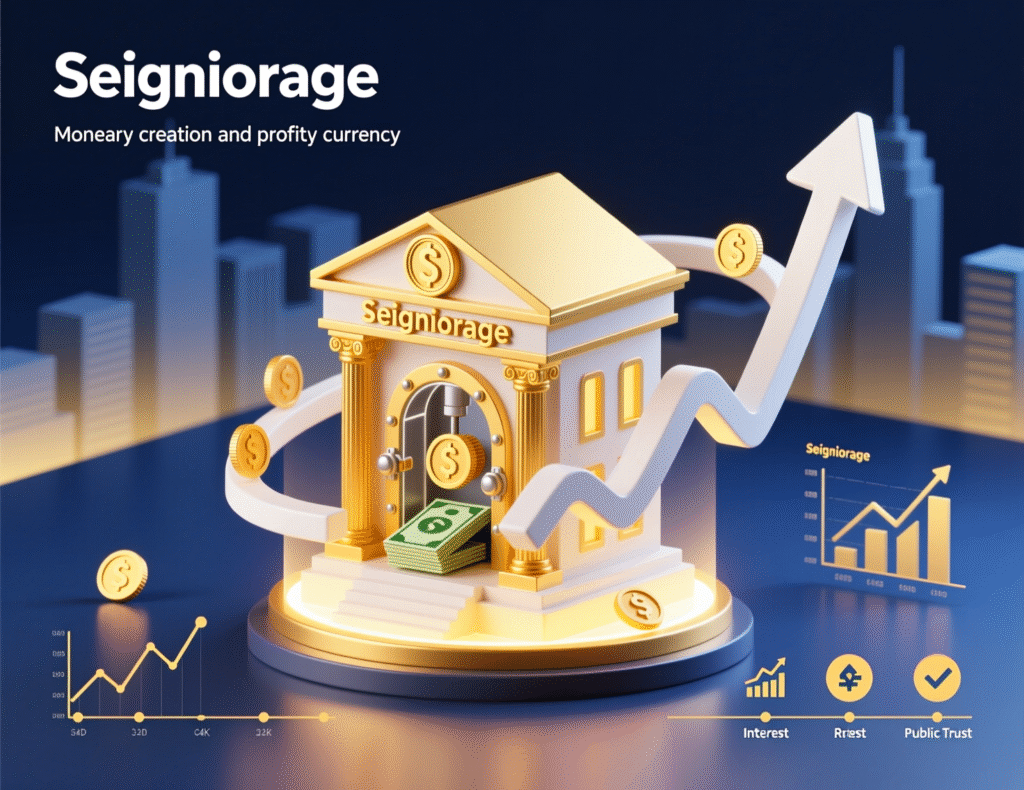
Seigniorage impacts
Greater use of private dollar tokens may divert value from sovereign money.
Run dynamics
Reserve liquidation under stress could trigger fire-sale feedback loops.
Monetary sovereignty
Heavy foreign-currency stablecoin use can spur de-facto dollarization, a concern for emerging markets.
Banking implications: deposits and competition
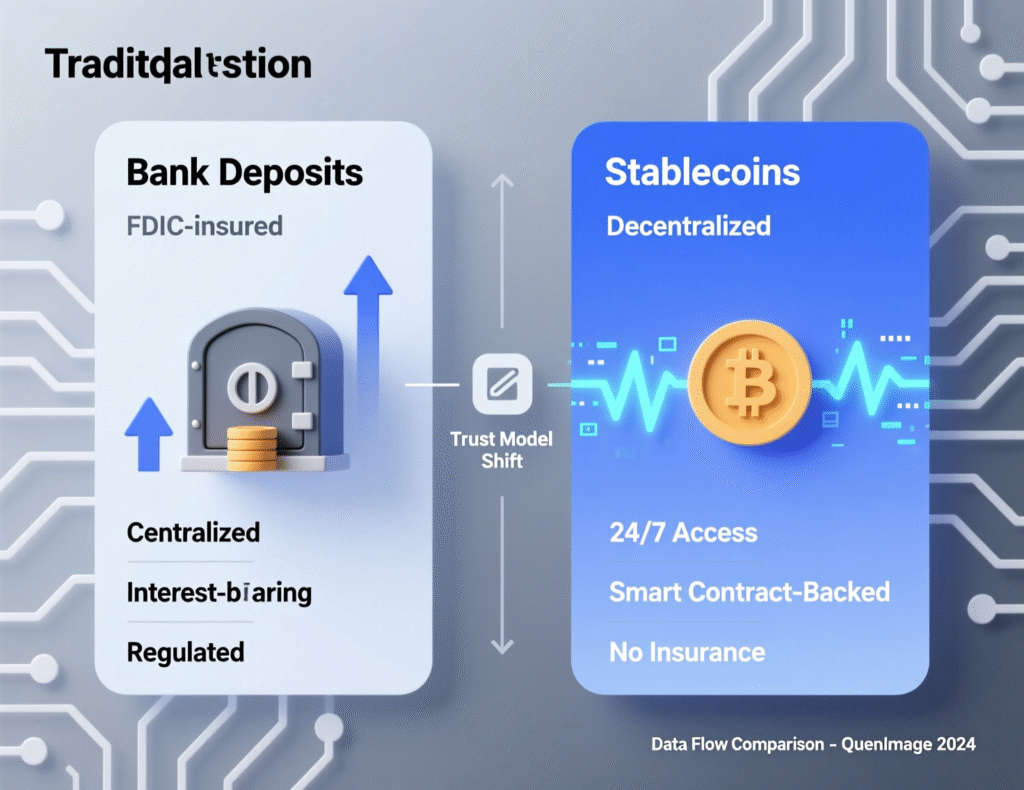
Banks may face funding pressure if deposits migrate to stablecoins offering perceived safety, yield, or programmability. Supervisors are studying bank-issued tokens and reserve standards to mitigate spillovers.
Context & Analysis
The CEA’s remarks echo recent BIS and ECB commentary that scaling stablecoins can weaken policy levers and stress money markets if reserves are concentrated in short-term sovereign paper. With market cap above $300bn and growing institutional interest, regulators are likely to prioritize reserve quality, disclosure, and interoperability with public rails to preserve monetary sovereignty especially in emerging markets.
Conclusion
India’s approach highlights a global shift toward strengthening public payment systems like UPI while maintaining cautious oversight of private digital currencies. Policymakers aim to balance innovation with financial stability, ensuring that domestic systems remain efficient and trusted even as dollar-based stablecoins expand globally.
As the use of private dollar tokens grows, regulators worldwide are working to define clear rules on reserves, transparency, and interoperability. These frameworks will determine whether stablecoins ultimately support the monetary system by improving cross-border efficiency or complicate it by undermining central bank control and weakening traditional monetary transmission channels in 2026.
FAQs
Q : What did India’s CEA say about stablecoins?
A : He warned they could challenge monetary policy transmission, seigniorage, and bank intermediation.
Q : Why does India see less need for stablecoins?
A : Because UPI provides instant, low-cost domestic payments that address many use cases stablecoins target.
Q : How large is the stablecoin market now?
A : Estimates put capitalization above $300bn as of October 2025.
Q : What are the main monetary risks?
A : Transmission leakage, seigniorage erosion, run/liquidity risks, and potential dollarization pressures.
Q : Do stablecoins help banks or compete with them?
A : Both: they can enable new services yet also pull deposits from banks, increasing competition.
Q : How might regulators respond?
A : With reserve quality rules, disclosures, and interoperability with public payment rails or CBDCs.
Q : Are there US dollar stablecoins monetary policy challenges specific to emerging markets?
A : Yes, there’s a higher risk of dollarization and capital flow volatility where domestic currencies are more vulnerable.
Facts
Event
India’s CEA warns rising dollar stablecoins may complicate global monetary policy
Date/Time
2025-10-29T18:18:00+05:00
Entities
V. Anantha Nageswaran (Chief Economic Adviser, Government of India); Reserve Bank of India (RBI); Unified Payments Interface (UPI); Bank for International Settlements (BIS); European Central Bank (ECB)
Figures
Stablecoin market cap ~$300–316bn (Oct. 2025)
Quotes
“The presence of a dollar stablecoin will bring with it its own challenges for monetary policy, monetary transmission and for seigniorage benefits of any country.” — V. Anantha Nageswaran
Sources
Reuters (story); CoinMarketCap (market cap)