
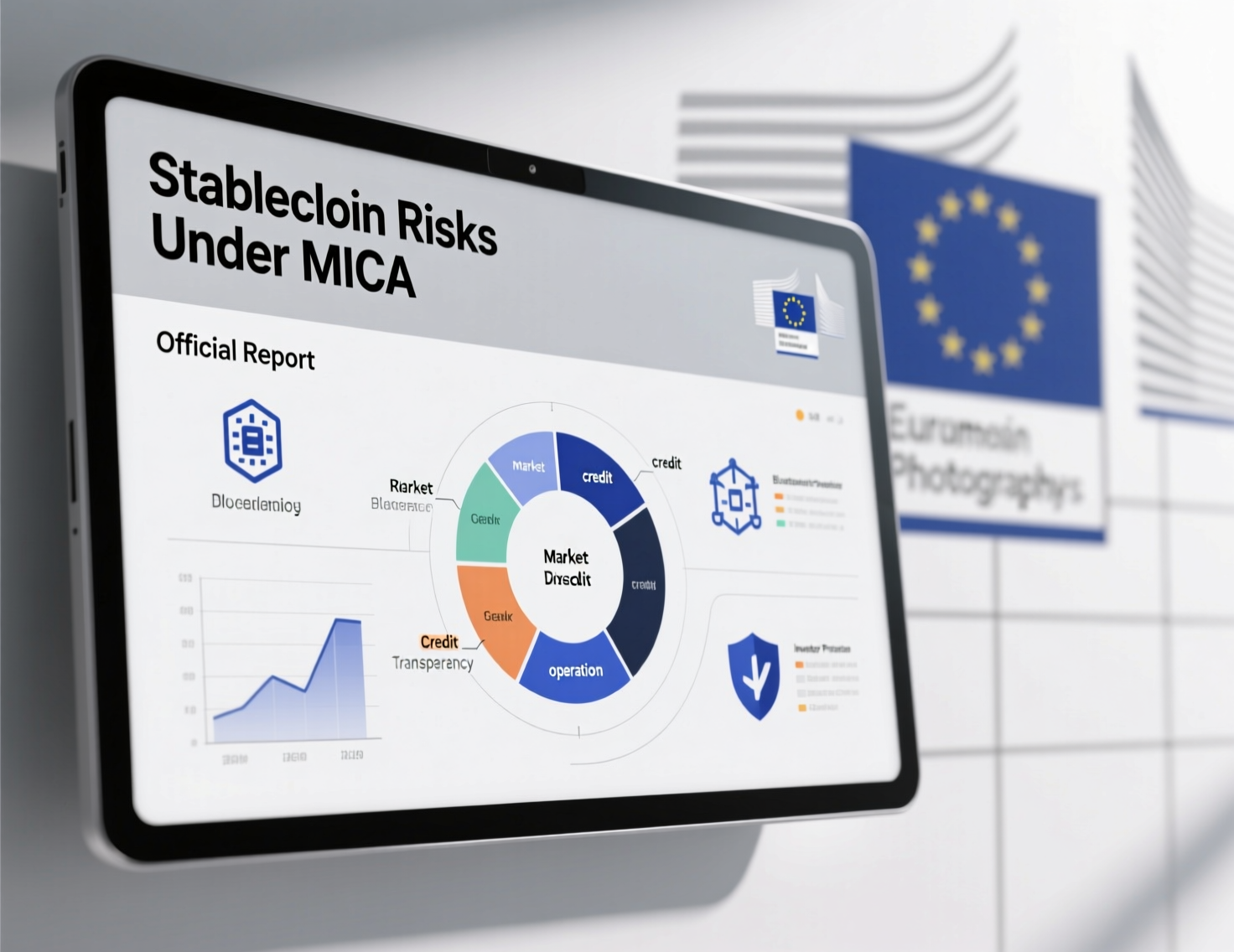

European Commission says existing rules address stablecoin risks
European Commission officials stated that the EU’s current crypto regulations are adequate to handle stablecoin-related risks under the Markets in Crypto-Assets (MiCA) framework, suggesting there’s no urgent need for new legislation. Their remarks come amid growing discussions on how to manage potential cross-border risks within the bloc’s digital asset system.
The response follows recent appeals from the European Central Bank (ECB) and the European Systemic Risk Board (ESRB), which urged tighter safeguards for “multi-issuance” stablecoins that involve both EU and non-EU entities. Meanwhile, several industry associations, including those representing major issuer Circle, have requested clearer guidance from Brussels on how such structures should operate under MiCA to ensure consistent supervision and compliance across jurisdictions.
What’s new
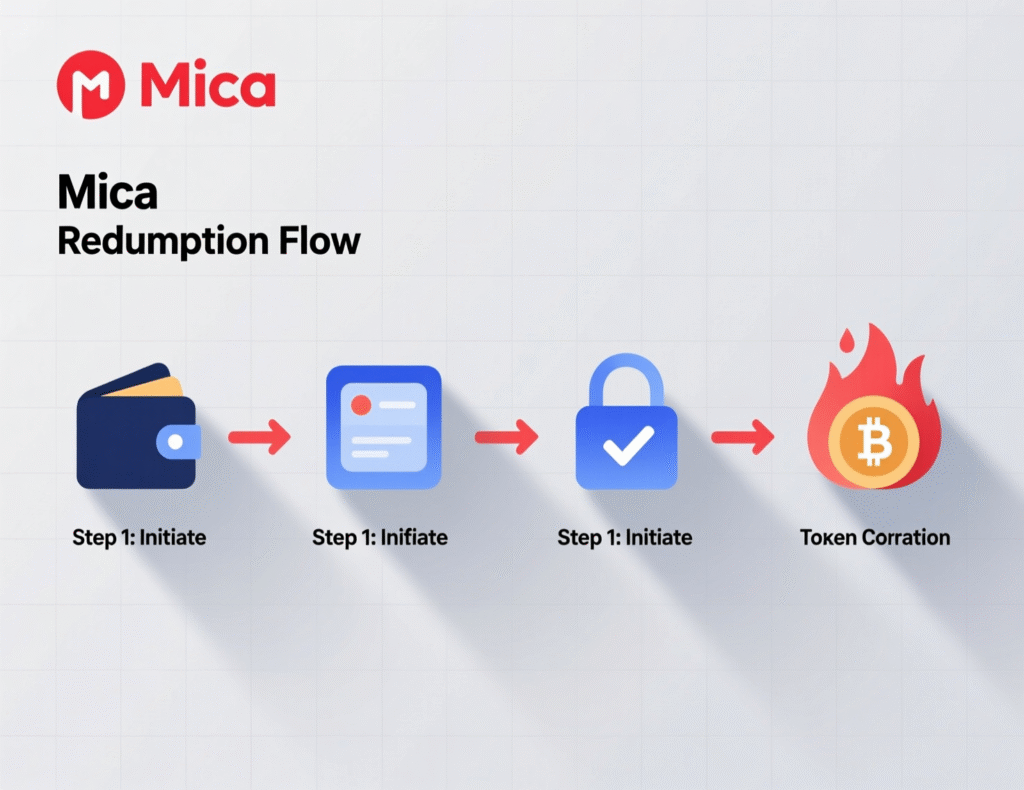
A Commission spokesperson told Reuters that MiCA provides a “robust and proportionate” framework for stablecoin risks and that the executive is working on timely clarification. The guidance request centers on whether tokens issued by a non-EU affiliate can be treated as interchangeable with those issued inside the bloc, and how redemptions should be handled across entities.
Why the ECB is worried
The ECB and ESRB have warned that allowing multi-issuance without limits could channel redemptions toward EU entities during stress, amplifying pressure on reserves held in the bloc. Policymakers say operational, liquidity and settlement frictions between affiliated issuers could heighten run risk during market shocks, even if individual entities are well capitalized.
Industry response
Stablecoin issuers contend that properly managed reserves and uniform redemption processes can mitigate run dynamics across jurisdictions. Six industry associations wrote to European Commissioner Maria Luis Albuquerque seeking guidance “confirming multi-issuance in principle” and clarifying implementation under MiCA.
Market context and dollar dynamics
Analysts note that roughly 99% of outstanding stablecoins are pegged to the U.S. dollar. Research from JPMorgan suggests expanding stablecoin usage could increase global demand for dollars, even as Europe calibrates safeguards for euro-area financial stability. That macro backdrop underscores why technical details such as cross-entity redemptions matter for EU oversight.
The road ahead
The Commission’s stance suggests near-term guidance under MiCA rather than fresh legislation. Any additional guardrails, if pursued, would likely flow from ESRB/ECB risk analyses and subsequent consultations with industry. Stakeholders should monitor forthcoming Commission guidance, potential Level-2/Level-3 materials, and national competent authority (NCA) interpretations.
Using exact keyword
Interpreting European Commission stablecoin risks under MiCA
Stakeholders should focus on redemption mechanics, reserve segregation, operational continuity between affiliated issuers, and disclosures that let users understand which legal entity ultimately owes them redemption.
Context & Analysis
Analysis: The Commission’s preference for guidance reflects a broader EU pattern—deploying MiCA’s existing toolkit while addressing edge cases via interpretative materials. If ESRB concerns persist, the Council/Parliament could later consider targeted amendments (e.g., caps, buffers, or explicit restrictions on cross-entity fungibility). For now, firms should assume compliance will be judged on prudential substance liquidity, governance, and clarity of claims rather than corporate structure alone.

Conclusion
For now, Brussels considers the MiCA framework sufficient to oversee stablecoin activity and related risks. Officials believe the existing rules provide enough flexibility to address evolving market practices without immediate legislative changes, though further clarification remains likely.
Upcoming guidance is expected to outline how “multi-issuance” and redemption mechanisms should operate within MiCA’s scope. Meanwhile, ongoing reviews by the European Central Bank (ECB) and the European Systemic Risk Board (ESRB) could shape future adjustments, especially if they identify gaps in financial stability protections or cross-border supervision standards across the EU’s growing digital asset market.