
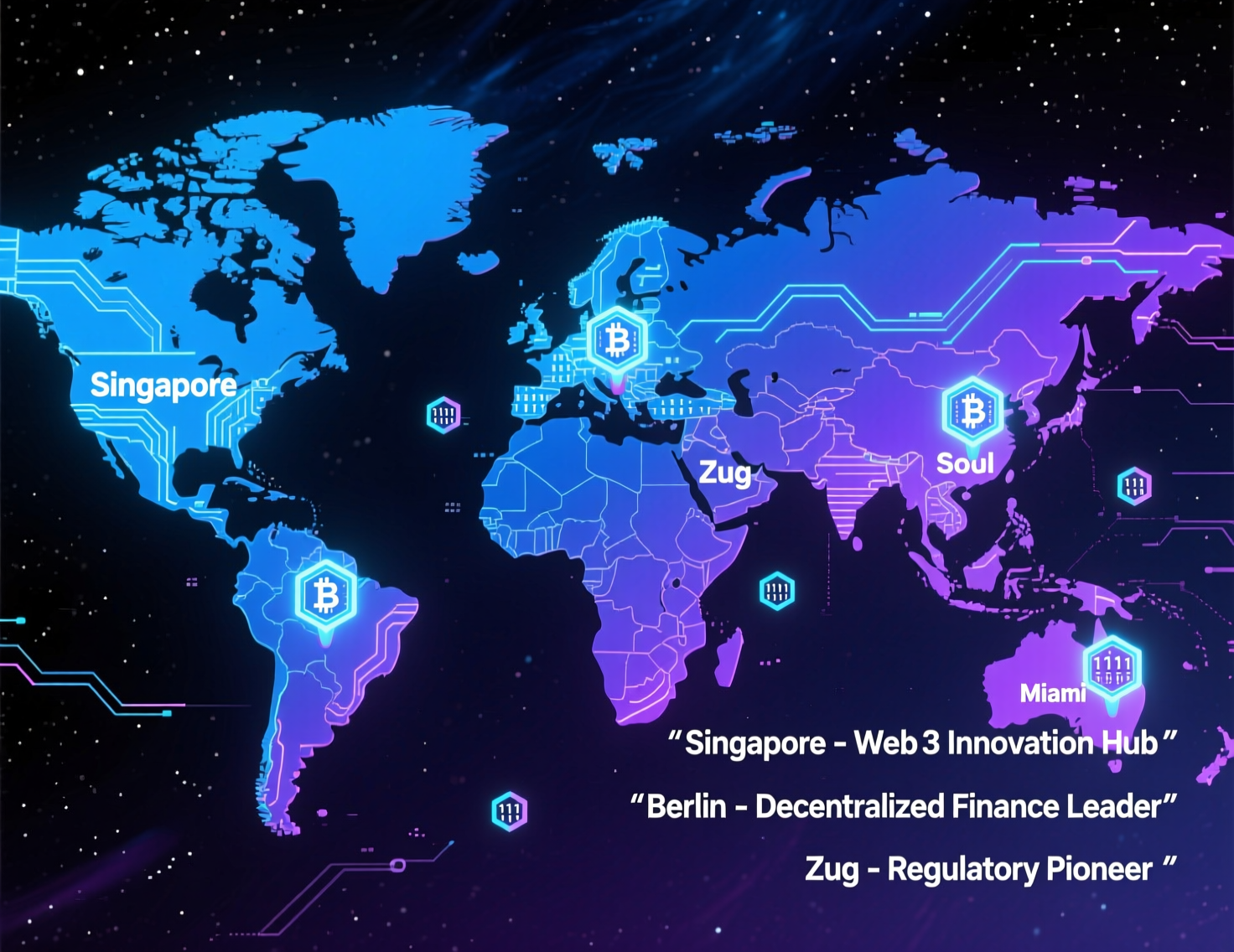

Emerging Crypto Hubs
If you’re choosing where to build or scale a Web3 or digital-assets company in 2025, the map is changing fast. A handful of emerging crypto hubs now combine clearer rules with serious capital, deep talent, and real adoption. In this guide, we compare 10 jurisdictions setting the pace on both regulation and innovation: the EU (MiCA), UK, Hong Kong, Singapore, UAE (Dubai & Abu Dhabi), Japan, South Korea, Switzerland, Brazil, the U.S., and El Salvador.
We highlight what’s live today (licensing, disclosures, product access), what’s launching next (stablecoin regimes, VASP rules), and the practical pros/cons for founders and funds. You’ll also find case studies, a localization cheat-sheet, and a “How-To” for picking the right base.
Why this matters: predictable licensing and market access drive lower compliance costs, faster time-to-market, and higher institutional participation. Markets with vague rules or “enforcement-first” approaches still create opportunities, but they also raise operational risk. Use this report to benchmark where your roadmap best aligns with the emerging crypto hubs driving the next cycle.
The EU (MiCA): Single Passport, Real Dates
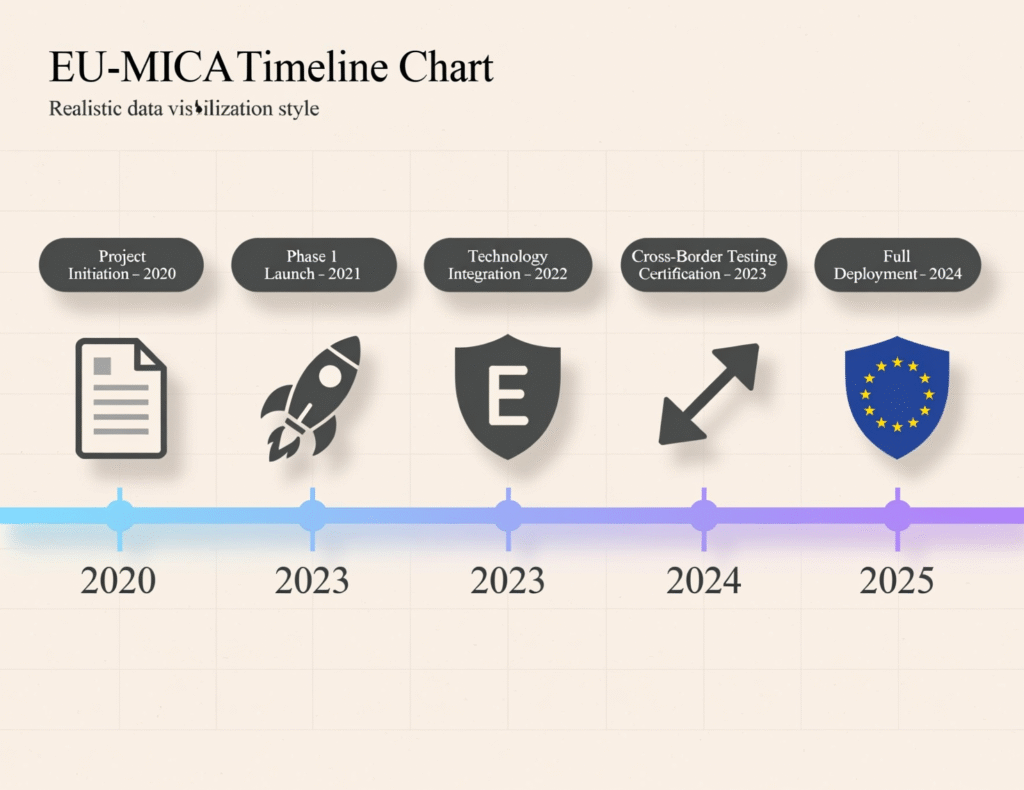
The EU’s MiCA entered into force in 2023, with key provisions for stablecoins applying from June 30, 2024, and full CASP authorization and passporting applying from December 30, 2024. Guidance and Level 2/3 measures continue rolling out through 2025.
Why it’s a hub
Predictable pan-EU licensing and true cross-border passporting.
Caveat
Some national nuances remain while ESMA centralization debates continue.
Founder take
If you want one license for 27 markets, MiCA is the most complete framework today among emerging crypto hubs.
United Kingdom: Building a Bespoke Regime
The UK published draft secondary legislation in April 2025 to fold cryptoasset activities into the FSMA perimeter, moving toward a comprehensive regime beyond the 2023 financial-promotions rules.
In 2025, the FCA also moved to allow crypto ETNs for retail within ISAs/SIPPs, though platform access varies and timing differs by product type.
Why it’s a hub
Strong fintech talent, common-law clarity, and a path to regulated market access.
Caveat
Staged roll-out; details on stablecoins and payment use are still evolving.
Hong Kong: Retail Access + Stablecoin Licensing
Hong Kong reopened to retail crypto trading via the SFC’s VASP regime and, on May 21, 2025, passed the Stablecoins Ordinance (effective Aug 1, 2025) to license fiat-referenced stablecoin issuers. Regulators also issued supplemental guidance for intermediaries in Oct 2025. Davis Polk+2hkma.gov.hk+2
Why it’s a hub:
Clear licenses, access to Asia capital, growing retail channels.
Caveat:
Strict compliance expectations and evolving approvals list.
Singapore: Early Clarity, Tight Risk Controls
MAS finalized its Stablecoin Regulatory Framework in 2023 and expanded the scope of regulated payment services in 2024 to strengthen AML/CFT and user-protection powers.
Why it’s a hub
Policy consistency, strong banking rails, pro-innovation sandboxes.
Caveat
Conservative retail exposure rules and rigorous conduct requirements.
UAE (Dubai & Abu Dhabi): Purpose-Built VA Rulebooks
Dubai’s VARA issued a unified Virtual Assets and Related Activities Regulations 2023, while ADGM/FSRA refined its virtual-asset framework in June 2025 (e.g., approvals, capital, fee schedules), maintaining prohibitions on privacy coins/algorithmic stables.
Why it’s a hub
Fast licensing, founder-friendly setup, strong capital flows.
Caveat
Fragmented free-zone vs on-shore complexity; strict marketing approvals.
Japan: Regulated Since 2016, Now Tokenization-Forward
Japan led early with PSA reforms (2016) and has continued iterative guidance; the FSA summarized the status of cryptoasset legal frameworks in April 2025.
Why it’s a hub
Clarity on exchanges, custody, and stablecoins; momentum in tokenized securities.
Caveat
Conservative listing/approval processes, but reliability is high.
South Korea: User-Protection Law Now Live
The Virtual Asset User Protection Act took effect July 19, 2024, tightening exchange duties, insurance/reserve requirements, and market-abuse rules; follow-on proposals raise bar for VASP operational resilience.
Why it’s a hub
Retail scale, sophisticated tech users, strong enforcement clarity.
Caveat
Strict compliance; marketing and listing standards are demanding.
Switzerland: The Original Tokenization Playbook
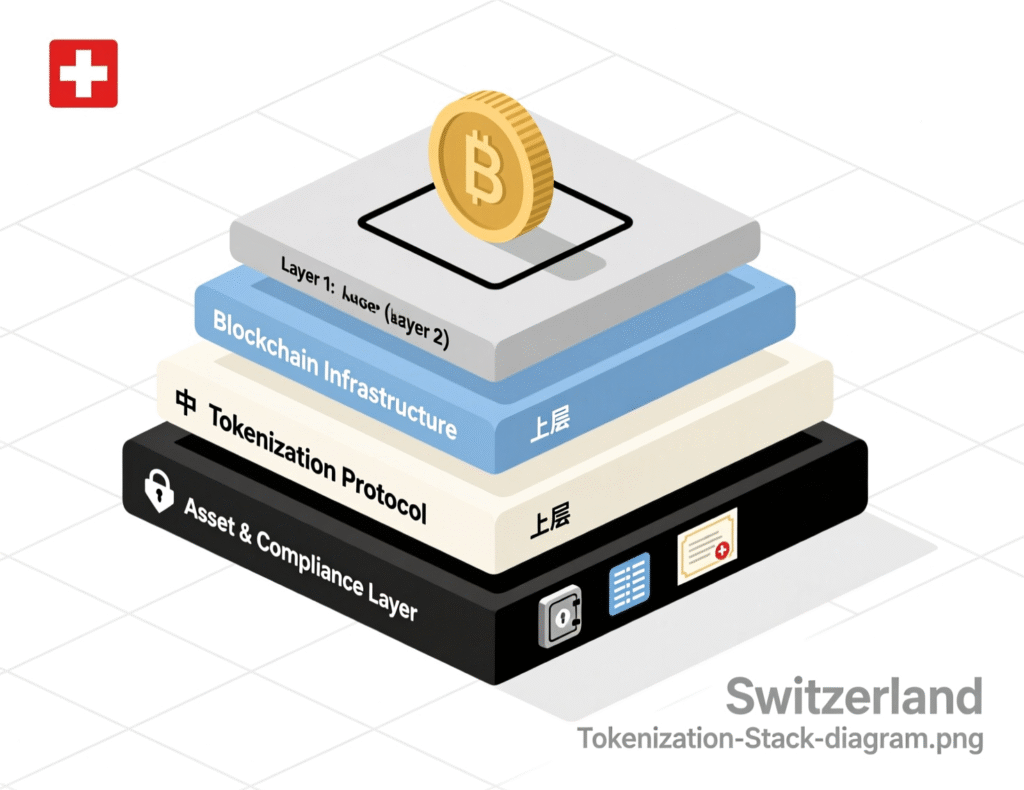
Switzerland’s DLT Act (in force since Aug 1, 2021) enabled DLT-securities and specialized trading venues; FINMA continues to refine disclosure/custody guidance (2023–2025).
Why it’s a hub
Mature banking stack for tokenization and crypto ETPs.
Caveat
Costs are higher; choose canton and license class carefully.
Brazil: VASP Rules Phasing In + CBDC Pilot
Brazil’s Law 14,478/2022 set the legal basis for crypto; the Central Bank phased detailed VASP rules and consultations through 2024–2025. The Drex CBDC pilot advanced, with architecture adjustments reported in 2025.
Why it’s a hub: large market, progressive central bank, payment rails innovation.
Caveat: timelines shifted; confirm licensing windows and supervisory checklists.
United States: Product Access via ETFs, Case-by-Case Rules
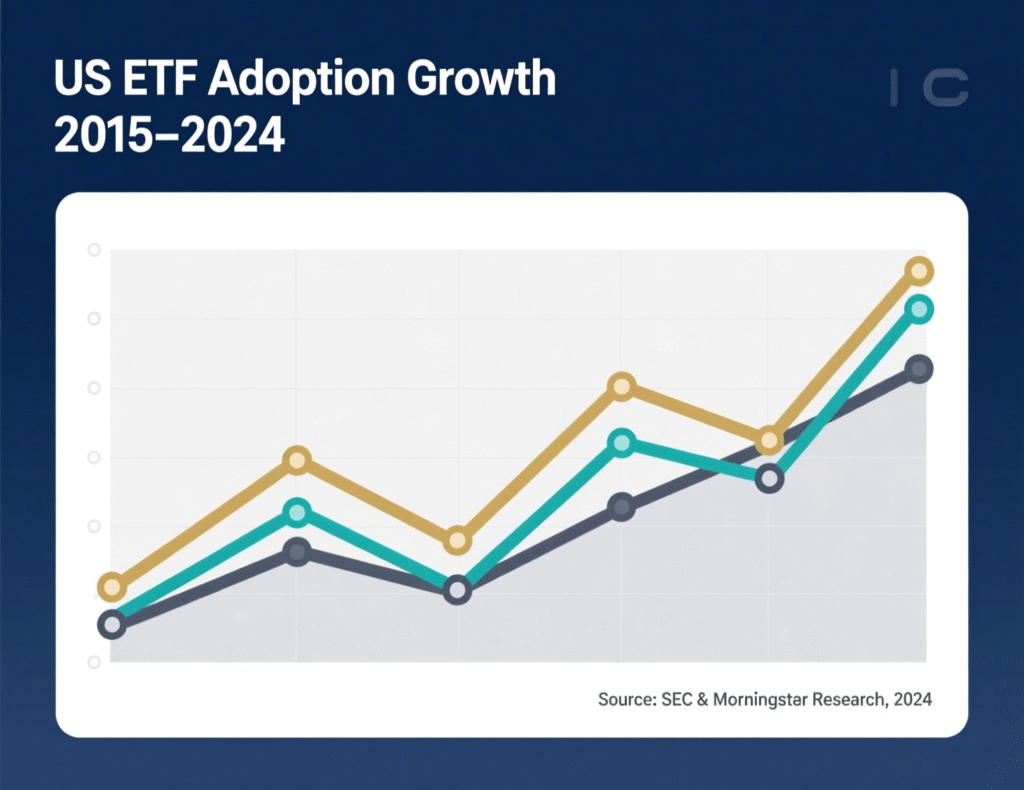
The SEC approved 11 spot Bitcoin ETPs on Jan 10, 2024, and spot Ether ETFs began trading July 23, 2024.
Why it’s a hub:
Deepest capital markets; public market products now mainstream.
Caveat:
Federal/per-state fragmentation and evolving enforcement create uncertainty.
El Salvador: Bitcoin Legal Tender + “Volcano Bonds”
El Salvador advanced a digital-securities framework and prepared “Volcano Bonds” for issuance in early 2024 after regulatory approval, positioning the country as a niche hub for bitcoin-centric finance. (Confirm current issuance status before execution.)
Why it’s a hub
Legal-tender status and symbolic brand value.
Caveat
Liquidity depth and institutional participation are still limited.
Case Study #1 Tokenized Funds in Switzerland (Short)
A digital asset manager chose Zug to tokenize fixed-income notes as DLT-Securities and list a feeder ETP on a Swiss exchange. Result: time-to-market < 9 months, strong bank-grade custody, and cross-border distribution into the EU via MiFID-aligned partners. (Framework: Swiss DLT Act + FINMA disclosures.)
Case Study #2 Asia Exchange Expansion via Hong Kong (Short)
A licensed brokerage used Hong Kong’s SFC regime to add retail access to selected virtual assets, while keeping institutional OTC in Singapore. Result: broadened client funnel and clearer marketing rules; stablecoin issuance strategy aligned to the 2025 Ordinance. How to Pick Your Hub (step-by-step)
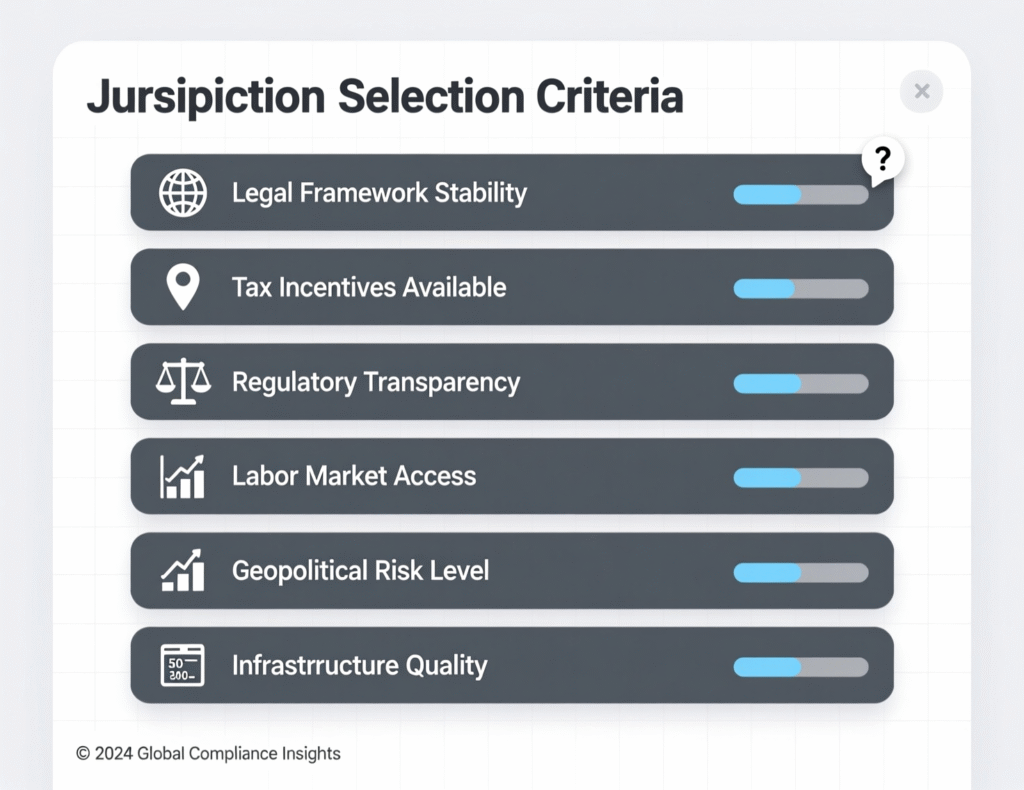
Map product scope
(spot vs derivatives, staking, stablecoins, tokenization).
Match license types
(CASP, VASP, VARA activity, PSA classes, broker-dealer, etc.).
Banking & custody
(local banks, global custodians, omnibus vs segregated).
Tax & corporate
(withholding, VAT/GST on fees, IP location).
Talent & visas
(engineers, compliance leads, founders).
Market access
(passporting, retail eligibility, ETPs/ETFs).
Runway risk
(policy durability, election cycles).
Execution
(local counsel + timeline gantt; budget buffers + contingency)
Concluding Remarks
Across 2025, a clear pattern has emerged: emerging crypto hubs pair enforceable rules with practical market access. The EU’s MiCA and Hong Kong’s stablecoin regime are live landmarks; Singapore, UAE, Japan, South Korea, Switzerland, Brazil, the U.S., and El Salvador each offer distinct strengths. Your best location depends on the products you ship, the customers you serve, and the licenses you can maintain.
Use our localization buckets and “How-To” to shortlist two candidates, then run a counsel-led gap analysis. With the right hub, you’ll cut compliance uncertainty, unlock talent and capital, and accelerate releases without sacrificing safety.
CTA
Need a jurisdiction short-list, timeline, and budget tailored to your stack? Contact us to get a 14-day go-to-market plan for your top two emerging crypto hubs.
FAQs
Q1) How do MiCA timelines affect a startup launching in the EU?
A : Stablecoin rules have applied since June 30, 2024; CASP authorization and cross-border passporting have applied since Dec 30, 2024. Plan 6–12 months for authorization, more if offering custody/trading.
Q2) How does the UK compare to the EU for crypto licensing?
A : The UK is building a bespoke framework (draft SI April 2025) plus retail access via crypto ETNs on certain timelines. The EU offers a single passport; the UK offers flexibility and common-law nuance.
Q3) How can a firm issue a stablecoin in Hong Kong?
A : From Aug 1, 2025, stablecoin issuers must be licensed under the Stablecoins Ordinance; intermediaries follow SFC/HKMA guidance. Start early with capital, reserves, and governance.
Q4) How does Singapore treat stablecoins?
A : The MAS framework (Aug 2023) sets high standards on value stability, reserve assets, and disclosure; PSA amendments (2024) expanded MAS powers for AML/CFT and user protection.
Q5) How do UAE free-zones differ (VARA vs ADGM)?
A : Dubai VARA has a dedicated activities rulebook; ADGM/FSRA defines “accepted virtual assets” and updated its regime in June 2025. Choose based on activity mix, counterparties, and bank partners.
Q6) How are U.S. ETFs changing distribution?
A : Spot Bitcoin ETPs (Jan 10, 2024) and Ether ETFs (trading from July 23, 2024) let institutions and retail access crypto in brokerage accounts, expanding capital pools.
Q7) How does Japan differ for exchange approvals?
A : Japan’s FSA has long-standing rules since 2016; listing approvals are conservative but predictable, with ongoing 2025 guidance.
Q8) How can a Korean exchange stay compliant under the new law?
A : By fulfilling reserve/insurance, segregation, and market-abuse controls under the July 2024 User Protection Act, plus further FSC operational proposals.
Q9) How do Brazil’s rules impact a U.S. exchange expanding there?
A : Law 14,478/2022 sets the base; BCB phases VASP regulation and consultations (2024–2025). Expect strong AML/KYC and authorization requirements.