

Crypto Portfolio Management Tips
Managing digital assets well isn’t about predicting moonshots it’s about building a plan you can stick with when the market zigs and zags. Crypto portfolio management ties your goals, risk limits, and rules together so you can grow steadily without losing sleep. In this guide, we’ll translate best practices asset allocation, rebalancing, position sizing, and securityinto concrete crypto portfolio management tips you can apply today. Research suggests crypto can diversify a traditional portfolio and that disciplined rebalancing can help deliver more consistent risk-adjusted outcomes, especially in volatile markets.
Not financial advice. Always do your own research and consider professional guidance in your jurisdiction.
What is crypto portfolio management?
Crypto portfolio management is the ongoing process of allocating your capital across digital assets (e.g., BTC, ETH, L2s, DeFi tokens, stablecoins), setting risk limits, and adjusting over time. It blends:
Allocation & diversification
Spreading exposure across assets/use-cases to reduce concentration risk.Rebalancing
Bringing allocations back to target when markets move.Risk controls & security
Defining max drawdowns, position caps, and safe storage.
Why crypto belongs (carefully) in a diversified portfolio
Academic and institutional analyses show that small crypto allocations can improve long-term portfolio efficiency (higher returns for a modest increase in volatility) due to crypto’s distinct risk drivers. One fund study found that adding 5% BTC to a 60/40 boosted returns while raising volatility by ~0.83%, far less than a naive estimate, thanks to diversification effects though frequent rebalancing was advised.
Core principles before you buy
Define objectives & horizon
Are you compounding for 5+ years or saving for a 12-month purchase? Your horizon dictates volatility tolerance and allocation.
Risk budget first
Cap single-asset weights (e.g., max 40% BTC, 25% ETH) and set a portfolio risk budget (e.g., target <25% peak-to-trough drawdown). Diversification across use-cases (money, smart-contract platforms, infrastructure, DeFi blue-chips, niche bets) smooths outcomes.
Automate good behavior
DCA (recurring buys), rules-based rebalancing, and alerts reduce emotion and overtrading. Tools and bots can help, but use reputable providers only.
Crypto Portfolio Management Tips (the playbook)
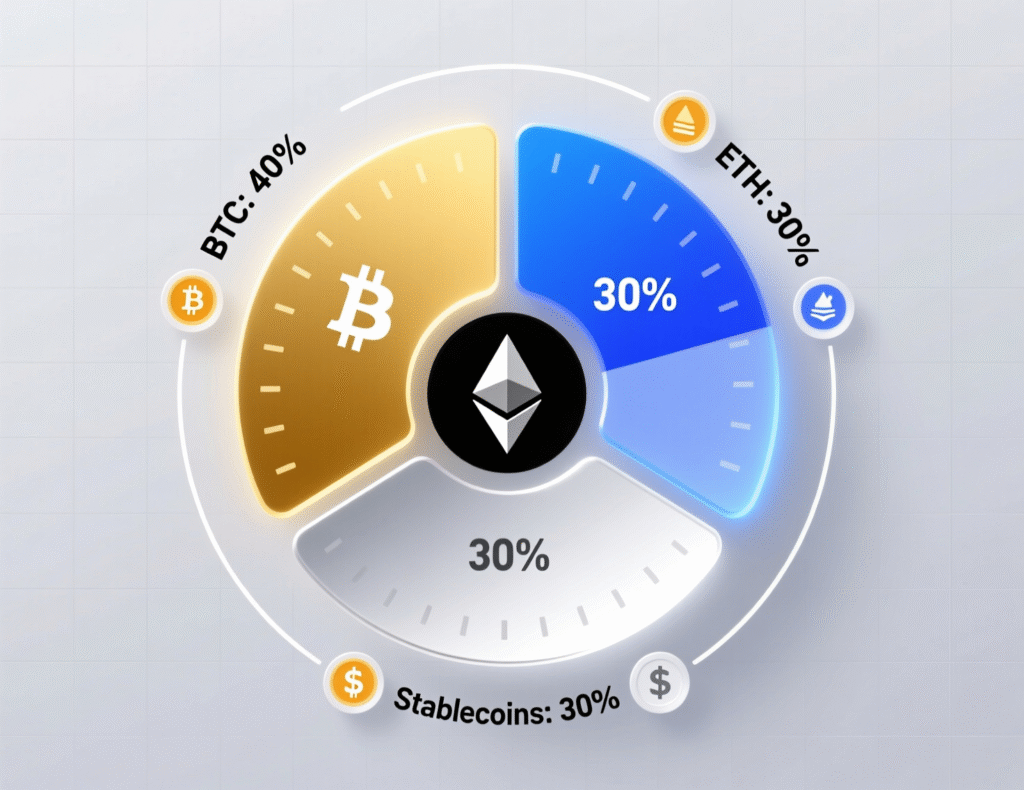
Start with a simple target allocation
A clean baseline (e.g., 50% BTC / 25% ETH / 20% Stablecoins / 5% “Explore”) is easier to maintain and explain to your future self. Adjust weights to reflect your conviction and risk.
Dollar-Cost Average (DCA) to reduce timing risk
Automate buys weekly/biweekly to average entry prices across cycles. In volatile markets, DCA helps behaviorally and operationally. (Many exchanges and wallets support recurring purchases.)
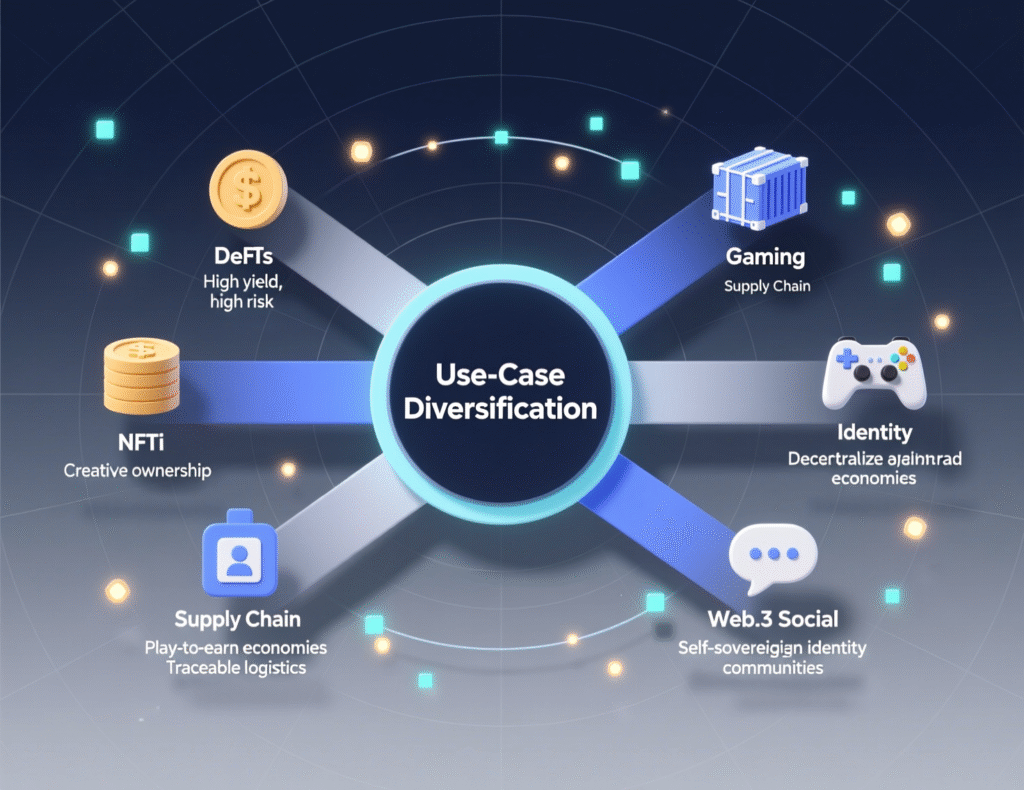
Diversify by use-case, not just ticker
Within a single asset class (crypto), diversify across monetary assets (BTC), smart-contract leaders (ETH), scaling/L2s, infrastructure (oracles, data, staking), DeFi blue-chips, and stablecoins used for liquidity and dry powder. Binance
Keep a Stablecoin buffer (10–30%)
Stablecoins can dampen volatility, fund buys during dips, and cover fees/taxes. Choose high-quality, well-capitalized options and understand issuer and chain risk.
Rebalance on a schedule or threshold
Two robust approaches:
Periodic (e.g., monthly/quarterly): Reset to targets on a calendar.
Threshold (e.g., rebalance when an asset drifts ±5–10% from target).
Rebalancing helps maintain risk discipline and may capture a “rebalancing premium” in volatile assets.
Set position caps and stop adding beyond them
Cap any single asset (e.g., BTC ≤50%, any alt ≤10%). Caps prevent outsize drawdowns if a thesis breaks.
Define sell rules before you buy
Examples: “Trim 25% if position doubles; exit if thesis catalyst fails; derisk 1–2 weeks before token unlocks.” Consistency beats impulse.
Track performance the right way
Monitor time-weighted returns, max drawdown, volatility, Sharpe (or Sortino), and hit-rate rather than just P&L. Review quarterly.
Tax-aware rebalancing & harvesting
Rules vary by country. Some jurisdictions allow tax-loss harvesting; others restrict “wash sales.” Always check local guidance (and keep meticulous records). Verify with local regulations and a professional tax advisor.
Separate long-term investing from short-term trading
Different objectives demand different rule-sets (and wallets). Mixing them muddies decisions and risk.
Security is a strategy: treat it like allocation
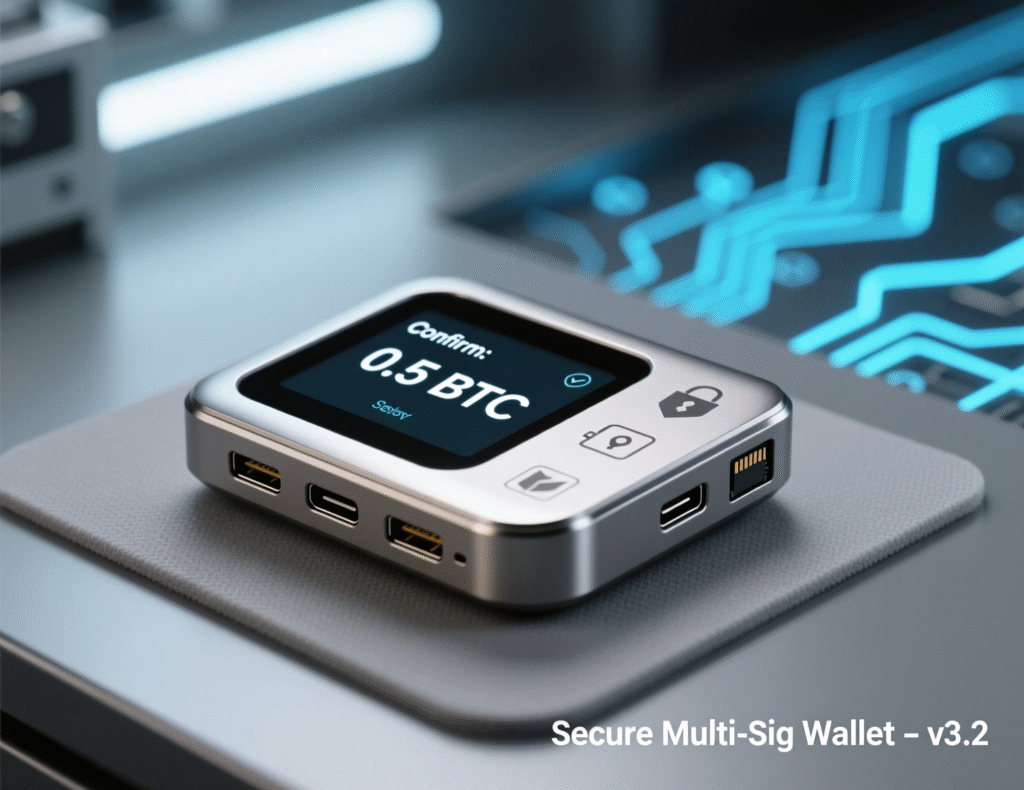
Hardware wallets or MPC for meaningful balances
Split keys/recovery phrases; test restores
Use allow-listing, multi-sig, and spend limits
Audit approvals/permissions in DeFi regularly
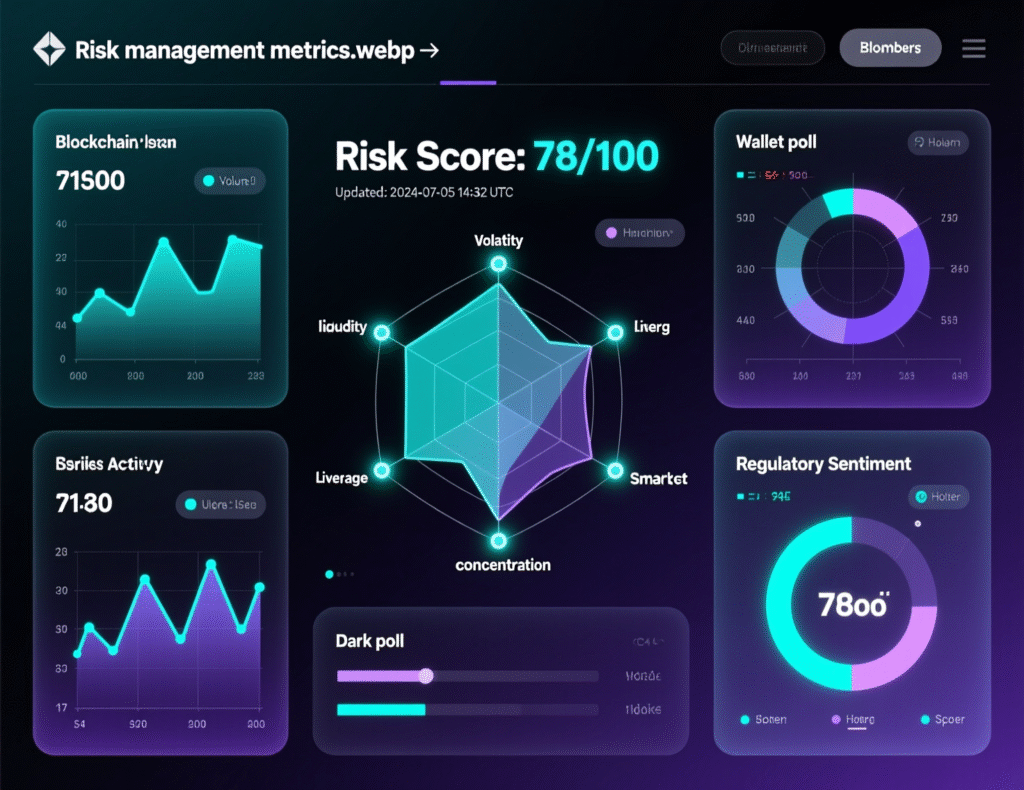
Use analytics & rules engines
Portfolio dashboards, rebalancing bots, and alerting can boost discipline. If you automate, understand how the bot makes decisions and set conservative limits.
Don’t over-diversify the long tail
Beyond 10–15 positions, incremental diversification benefits shrink while monitoring burden rises. Concentrate the “explore” sleeve in your best ideas.
Document your Investment Policy Statement (IPS)
Write 1 page: goals, target allocation, rebalancing rules, risk limits, allowed assets, and decision process. Revisit twice a year.
Scenario plan for drawdowns and euphoria
Pre-commit actions for −30%, −50% market drawdowns and +100% melt-ups (e.g., what you’ll sell/trim/add).
How to rebalance a crypto portfolio (step-by-step)
Set targets
(e.g., 50% BTC / 25% ETH / 20% stables / 5% explore).
Pick a method
monthly/quarterly periodic or ±10% threshold.
Check drift
Compare current vs. target weights weekly or via alerts.
Execute trades
Trim overweighted assets, add to underweights; mind fees/slippage.
Record
Log date, reason, before/after weights.
Iterate
Reassess targets semi-annually as your goals or market context change.
(Evidence supports disciplined rebalancing improving consistency in volatile assets.)
Sample allocations by risk profile (illustrative)
Tailor to your situation; use as starting points.
Conservative
35% BTC / 20% ETH / 35% Stablecoins / 10% ExploreBalanced
45% BTC / 25% ETH / 20% Stablecoins / 10% ExploreGrowth
50% BTC / 30% ETH / 10% Stablecoins / 10% Explore
These mixes lean on BTC/ETH for core exposure, stables for ballast, and a capped “explore” sleeve for asymmetric bets. Studies note crypto’s distinct risk profile can add diversification benefits to broader portfolios, especially at low weights.
Quick case studies
Case Study A: Threshold rebalancing saves the quarter
Maya runs a crypto portfolio management plan at 45% BTC, 25% ETH, 20% stables, 10% explore. After a 6-week alt rally, her explore sleeve grows from 10% to 16%. Her ±6% threshold triggers a rebalance: she trims explore to 10%, adds to BTC/ETH. When the rally snaps back, her drawdown is 3.5% smaller than if she had left the explore sleeve unchecked. (Illustrates discipline > prediction.)
Case Study B: Quarterly rebalancing captures volatility
Ken automates quarterly rebalancing. In Q1, BTC outperforms; in Q2, ETH leads; by Q3, both mean-revert. His periodic resets systematically “sell some strength/buy some weakness,” improving his risk-adjusted return vs. buy-and-hold over the year. (Consistent with research on rebalancing benefits in volatile markets.)
Common mistakes to avoid
No plan/IPS → emotions drive trades
Oversized single-asset risk (e.g., >70% in one coin)
Ignoring fees, slippage, and taxes during rebalances
Security debt (hot wallets for long-term funds; poor key hygiene)
Chasing narratives at cycle peaks
Tools to support your plan
Education & frameworks
Binance Academy (asset allocation, diversification), Coinbase Research (role in diversification).Rebalancing automation
Exchange/broker “rebalancing bots” and allocation tools.Strategy explainers
Guides on periodic vs threshold rebalancing.

To Sum Up
If you remember one thing from these crypto portfolio management tips, let it be this: markets reward consistency. Set your allocation, codify your rules, and rebalance with discipline. Diversify by use-case, cap positions, and treat security as part of strategy. Over time, a calm process can outpace hot-hand guessing. Ready to put your plan on paper? Draft your 1-page IPS today and start implementing it this week.
CTA: Want a printable IPS + rebalance checklist? Tell me your risk tolerance and top holdings I’ll generate a tailored template.
FAQs
Q : How do I start with crypto portfolio management if I’m a beginner?
A : Begin with goals (timeline, return target), pick a simple allocation (e.g., BTC/ETH/stables), automate DCA, and choose quarterly or threshold rebalancing. Keep an “explore” sleeve small (≤10%). Review quarterly and improve security (hardware wallet/MPC).
Q : How often should I rebalance a crypto portfolio?
A : Common choices are quarterly or thresholds at ±5–10% from target. Higher frequency increases costs; too little lets risk drift. Choose a schedule that matches fees and tax context, then stick to it.
Q : How can I diversify within crypto effectively?
A : Diversify by roles: BTC (monetary), ETH (smart contracts), L2s, infrastructure, DeFi blue-chips, and a capped explore sleeve. Add a stablecoin buffer for liquidity and risk control.
Q : How much crypto should be in a traditional 60/40 portfolio?
A : Evidence suggests small allocations (1–5%) can enhance returns with modest volatility impact if rebalanced frequently. Your risk tolerance and policy should drive the exact number.
Q : What are the biggest risks in crypto portfolio management?
A : High volatility, liquidity risk in small caps, custody/security failures, smart-contract risk, regulatory changes, and behavioral errors (FOMO/overtrading). Use position caps, security best practices, and rules.
Q : How does DCA help in crypto?
A : DCA spreads entry across time, reducing timing risk and emotional decision-making. It’s especially helpful in volatile markets and supports sticking to plan.
Q : How can I measure success beyond profits?
A : Track risk-adjusted metrics (volatility, max drawdown, Sharpe/Sortino), rebalance discipline, and hit-rate vs. plan quarterly and annually.
Q : How do taxes affect rebalancing?
A : Jurisdictions vary widely. Some allow loss harvesting; others apply anti-wash rules or specific holding-period taxes. Keep detailed records and get professional advice before large rebalances.
Q : How does automation help with crypto portfolio management?
A : Automation enforces your rules (DCA, alerts, rebalancing) and reduces emotion. Verify provider security and set conservative thresholds.