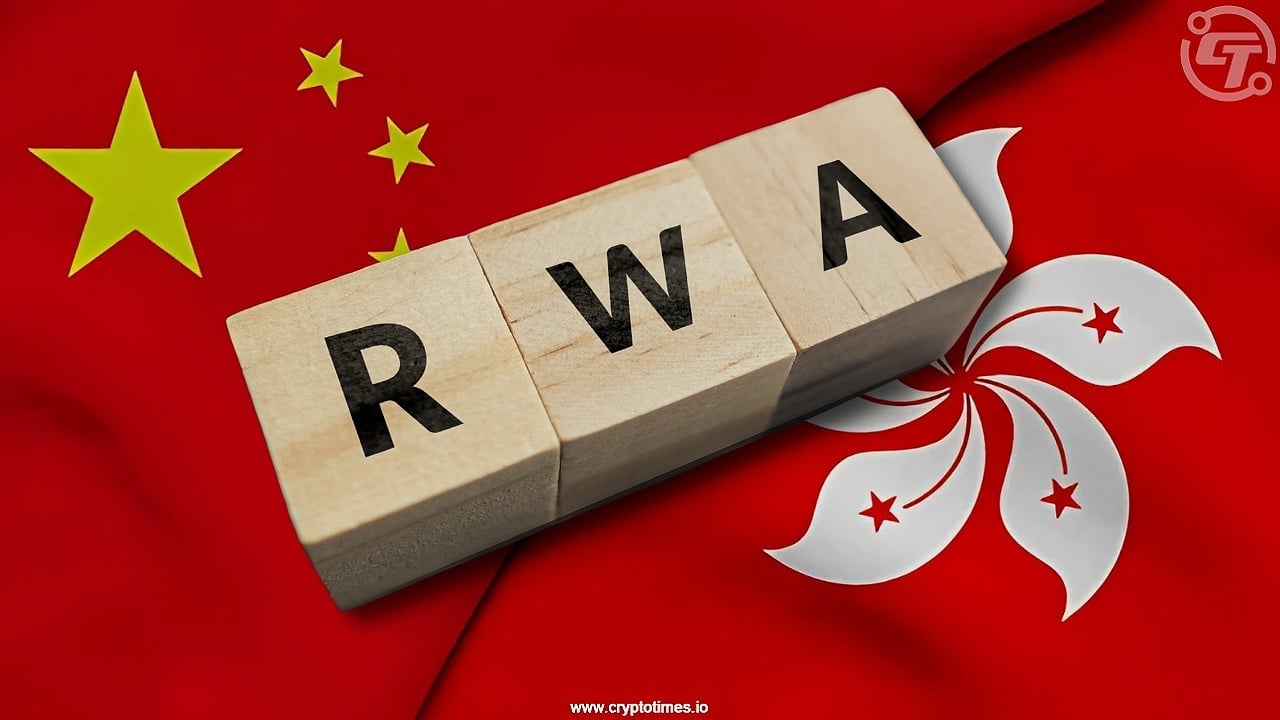

Exclusive: China asks brokers to pause real-world asset business in Hong Kong, sources say
China’s securities regulator has informally instructed several mainland brokerages to temporarily halt their real-world asset (RWA) tokenisation efforts in Hong Kong. The move comes as tokenised products gain momentum in the city’s financial market, drawing increasing interest from global and regional players. According to people familiar with the matter, the China Securities Regulatory Commission (CSRC) aims to take a more cautious stance while assessing potential risks tied to these innovative offerings.
The regulator’s decision underscores Beijing’s focus on ensuring stability and accountability as new financial technologies emerge. By calling for a pause, the CSRC intends to tighten risk management frameworks and verify that tokenisation projects are supported by legitimate businesses. This approach highlights China’s careful balancing act between encouraging innovation and safeguarding market integrity.
Why the pause matters now
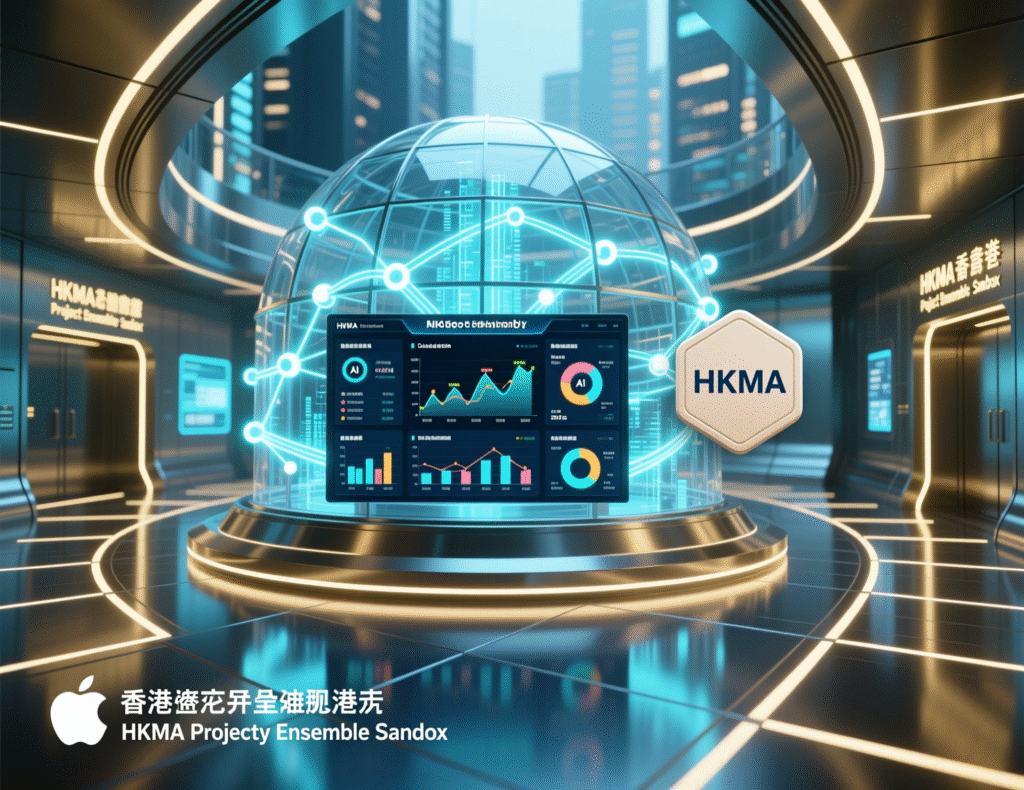
The guidance lands as Hong Kong positions itself as a digital-asset hub. In recent months, the Hong Kong Monetary Authority (HKMA) brought a licensing regime for fiat-referenced stablecoin issuers into force and is testing tokenisation use cases via Project Ensemble. The HKMA says existing conduct rules already cover how banks sell tokenised products to protect investors.
At the same time, the RWA sector has grown quickly: industry trackers estimate about $30 billion of tokenised real-world assets live on public chains, up sharply year-to-date.
What “China pauses RWA tokenisation in Hong Kong” means for firms
For Chinese brokers active or planning to be active in Hong Kong tokenisation, the informal guidance introduces near-term execution risk. Firms may need to halt launches, marketing, or onboarding related to RWA products while reassessing governance, disclosures, and on-/off-chain controls to satisfy both mainland and Hong Kong expectations. Reuters reported that shares of several Hong Kong-listed Chinese brokers slipped after the news.
China pauses RWA tokenisation in Hong Kong
June 2025
GF Securities (Hong Kong) launches “GF Token,” a daily-interest, daily-redeemable tokenised security in USD, HKD, and CNH, built with HashKey Chain.Aug–Sep 2025
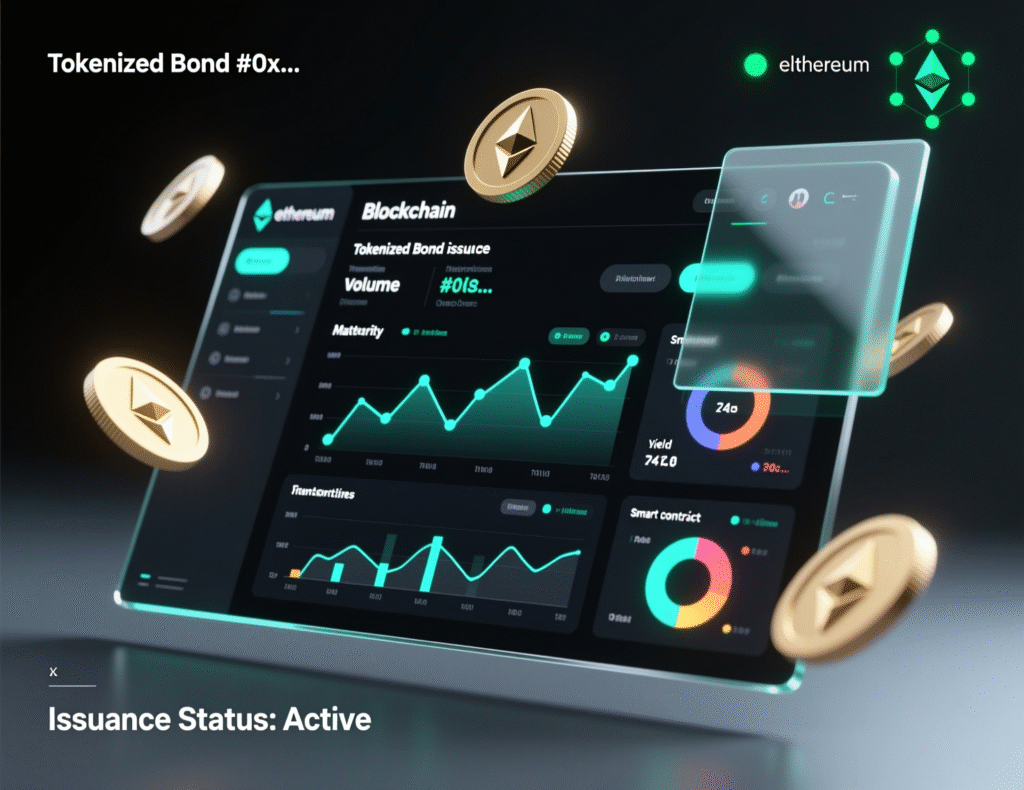
Shenzhen Futian Investment issues RMB 500mn (~$70m) tokenised digital bond on Ethereum, with support from China Merchants Bank International (CMBI).Aug 2025
HKMA/SFC advance the stablecoin regime; market participants invited to engage ahead of licensing. Hong Kong Monetary AuthoritySept 2025
Multiple sources tell Reuters the CSRC has urged a pause on RWA tokenisation business offshore in Hong Kong.
Market context
Beijing banned cryptocurrency trading and mining in 2021 and has maintained a cautious posture toward digital assets. The reported pause reflects a desire to keep risk in check as tokenisation moves from trials into live issuance and secondary trading offshore. By contrast, Hong Kong’s approach emphasises fit-for-purpose licensing, product governance and sandboxing to channel innovation into regulated rails.
Who is affected
Near-term implications are most acute for Chinese securities firms with Hong Kong units exploring tokenised notes, funds, or cash-management instruments. Recent examples include GF Securities (Hong Kong) and state-owned Futian Investment via CMBI; property developer Seazen Group also set up a Hong Kong institute to explore tokenisation.
<section id=”howto”> <h3>How to assess a Hong Kong RWA token project for compliance</h3> <ol> <li id=”step1″><strong>Step 1:</strong> Confirm whether the issuer and distributors hold required Hong Kong licences (e.g., SFC Type 1/4/9 as applicable) and fit within HKMA/SFC guidance.</li> <li id=”step2″><strong>Step 2:</strong> Review offering docs for asset backing, valuation, custody, redemption mechanics, and disclosure of smart-contract risks.</li> <li id=”step3″><strong>Step 3:</strong> Check whether token holders are limited to professional investors and whether suitability/appropriateness checks apply.</li> <li id=”step4″><strong>Step 4:</strong> Verify on-chain controls (whitelisting, transfer restrictions) and audit trails consistent with AML/CFT obligations.</li> <li id=”step5″><strong>Step 5:</strong> Map any mainland nexus to CSRC expectations and confirm that cross-border marketing is permitted.</li> </ol> <p><em>Note: Process may vary by product class and regulator. Confirm requirements with counsel before acting.</em></p> </section>
Context & Analysis
The CSRC’s informal “pause” underscores a classic dual-track dynamic: Hong Kong is building regulated plumbing for tokenisation while the mainland focuses on macro-prudential containment. Practically, this may compress near-term issuance from Chinese brokers but could boost quality by forcing stronger disclosures, audited asset backing, and clearer investor segmentation. Medium-term, if Hong Kong’s stablecoin and tokenisation regimes deliver early, well-governed wins (e.g., tokenised bonds and cash-equivalents), pressure may ease especially for institutional, closed-loop products.
Conclusion
Beijing’s call for a pause has introduced fresh hurdles for China-linked tokenisation projects in Hong Kong, despite the city’s progress in building clearer regulatory frameworks. The move reflects growing caution as authorities seek to manage the rapid rise of tokenised financial products while keeping oversight in line with market developments.
For firms, this means stricter scrutiny on asset backing, risk disclosures, and overall compliance. As legal reviews and sandbox experiments continue, tokenised bonds are expected to serve as the primary testing ground in the near term, providing regulators and market participants a controlled environment to gauge potential risks.
FAQs
Q : What did the CSRC tell brokerages?
A : Reuters reports the CSRC informally advised some mainland brokers to pause RWA tokenisation business in Hong Kong pending stronger risk controls.
Q : Why is Hong Kong still pushing tokenisation?
A : HK regulators see tokenisation as infrastructure for capital markets and are running a sandbox and a new stablecoin regime to channel activity into licensed venues.
Q : How big is the RWA market now?
A : About $30B of tokenised RWAs are live on public chains, according to RWA.xyz.
Q : Which deals illustrate activity despite the pause?
A : GF Securities (Hong Kong) launched “GF Token,” and Shenzhen Futian Investment issued a RMB 500mn tokenised bond on Ethereum via CMBI.
Q : Is the pause legally binding?
A : Sources describe the guidance as informal; duration and scope are unclear.
Q : Does this affect stablecoins?
A : Indirectly. Hong Kong’s new licensing regime governs fiat-referenced stablecoins; decisions will be case-by-case with a high approval bar.
Q : Will licensing be restricted to institutions?
A : Investor eligibility depends on product type and offering documents; many early tokenised products target professional investors only. (General market practice; see GF Token’s initial positioning.)