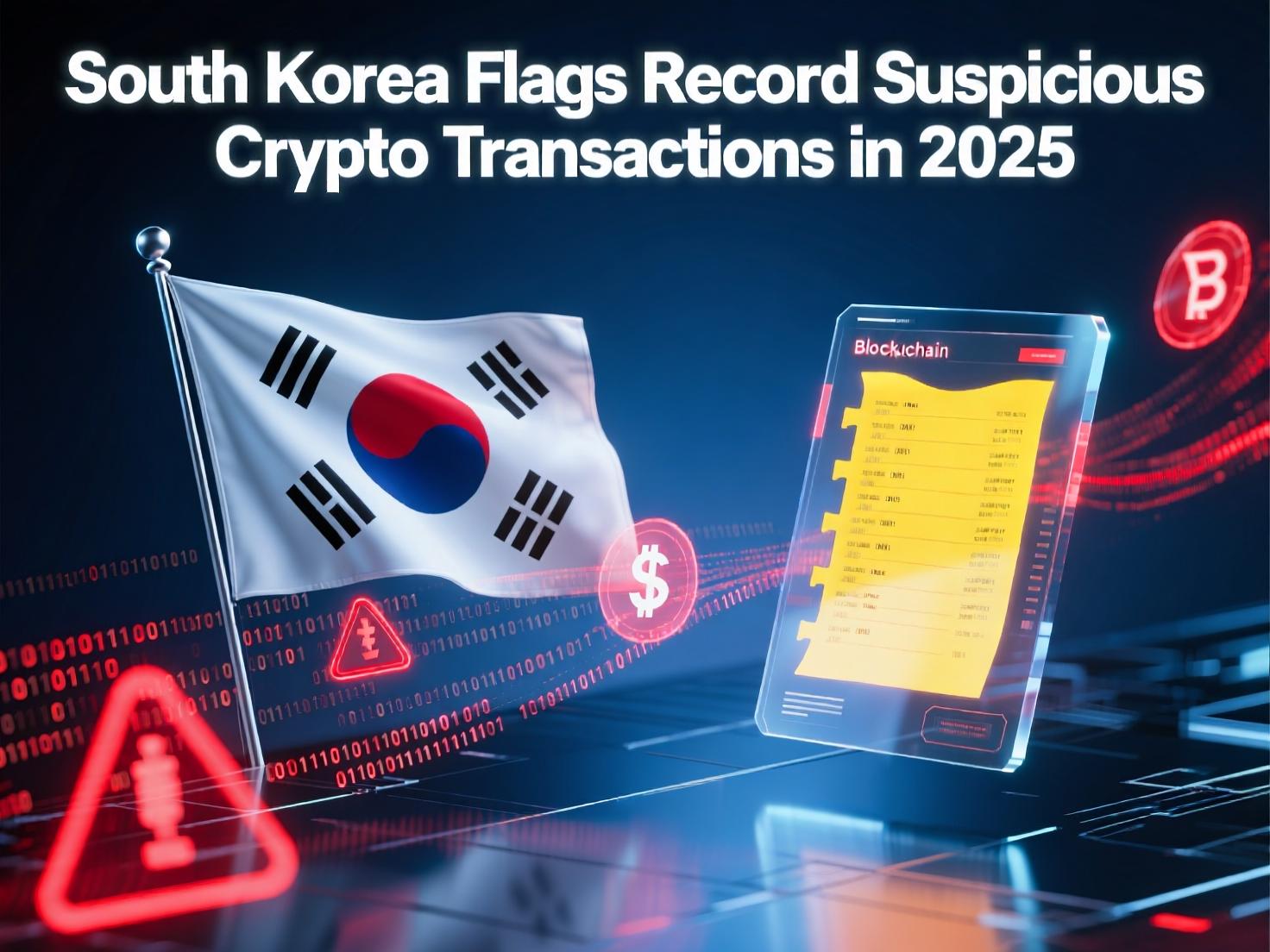

South Korea flags record suspicious crypto transactions in 2025: Report
South Korea is seeing a record surge in suspicious crypto activity this year, according to the Korea Financial Intelligence Unit (KoFIU). Between January and August 2025, virtual asset service providers (VASPs) filed 36,684 suspicious transaction reports (STRs). This figure has already surpassed the combined totals of 2023 and 2024, highlighting a sharp rise in red flags across the sector.
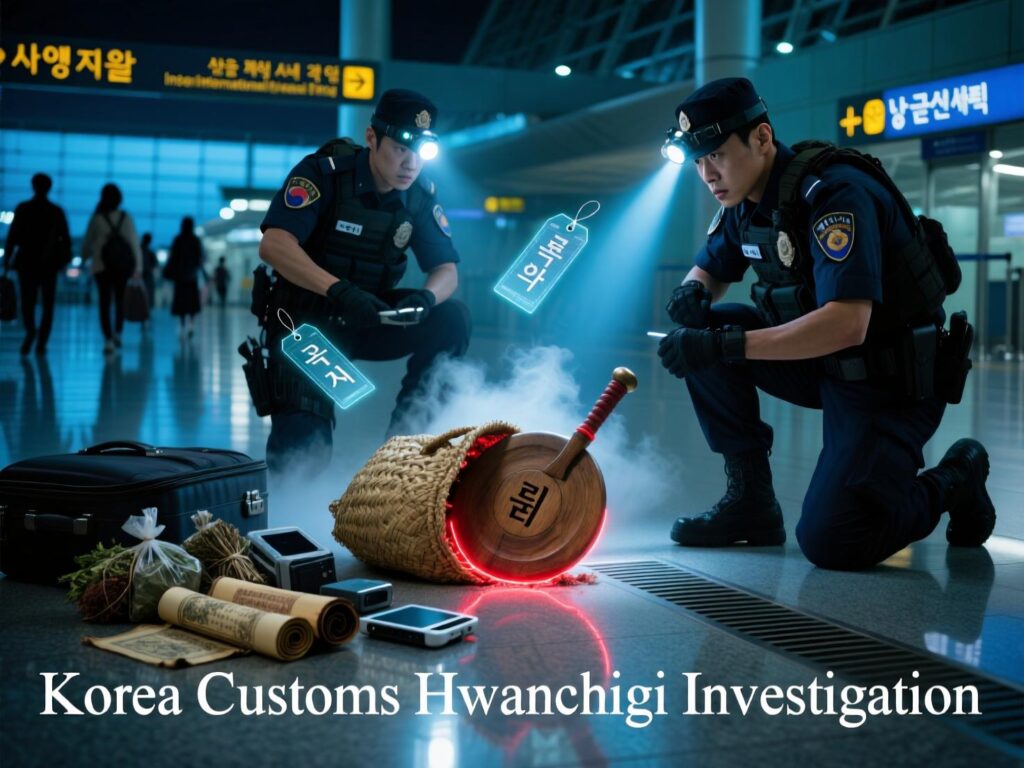
The increase comes as authorities intensify their monitoring of crypto flows, particularly around alleged hwanchigi schemes illegal remittance practices that exploit digital assets to move money overseas. Regulators have warned that the trend underscores growing misuse risks in the industry, prompting tighter oversight of exchanges and service providers. The data reflects South Korea’s determination to curb illicit activities while strengthening transparency in its rapidly expanding crypto market.
South Korea flags record suspicious crypto transactions in 2025
KoFIU data submitted to Rep. Jin Sung-joon shows 36,684 STRs in the first eight months of 2025. For comparison, South Korea logged 199 STRs in 2021, 10,000+ in 2022, 16,076 in 2023, and nearly 20,000 in 2024 illustrating a steep multi-year rise alongside growing retail participation. Korea Times
Why South Korea flags record suspicious crypto transactions in 2025 matters
STRs are a core AML tool in South Korea. Under KoFIU guidelines, financial institutions, casinos and VASPs must submit an STR when they reasonably suspect funds involve criminal proceeds, money laundering, or terrorist financing based on expertise and subjective judgment. In practice, these reports help authorities triage cases for investigation and potential referral to prosecutors.
Authorities target hwanchigi and stablecoins
From 2021 through August 2025, officials referred over ₩9.5 trillion (≈ $7.1b) in crypto-linked crimes to prosecutors, more than 90% tied to hwanchigi—unlicensed cross-border remittances that often route funds via offshore crypto platforms into domestic exchanges before cash-out in won. In May 2025, customs identified a ₩57.1 bn (~$42m) Tether (USDT) flow between South Korea and Russia. Lawmakers have urged KoFIU and the Korea Customs Service (KCS) to strengthen coordinated enforcement against disguised remittances.
EU’s MiCA caps daily stablecoin use
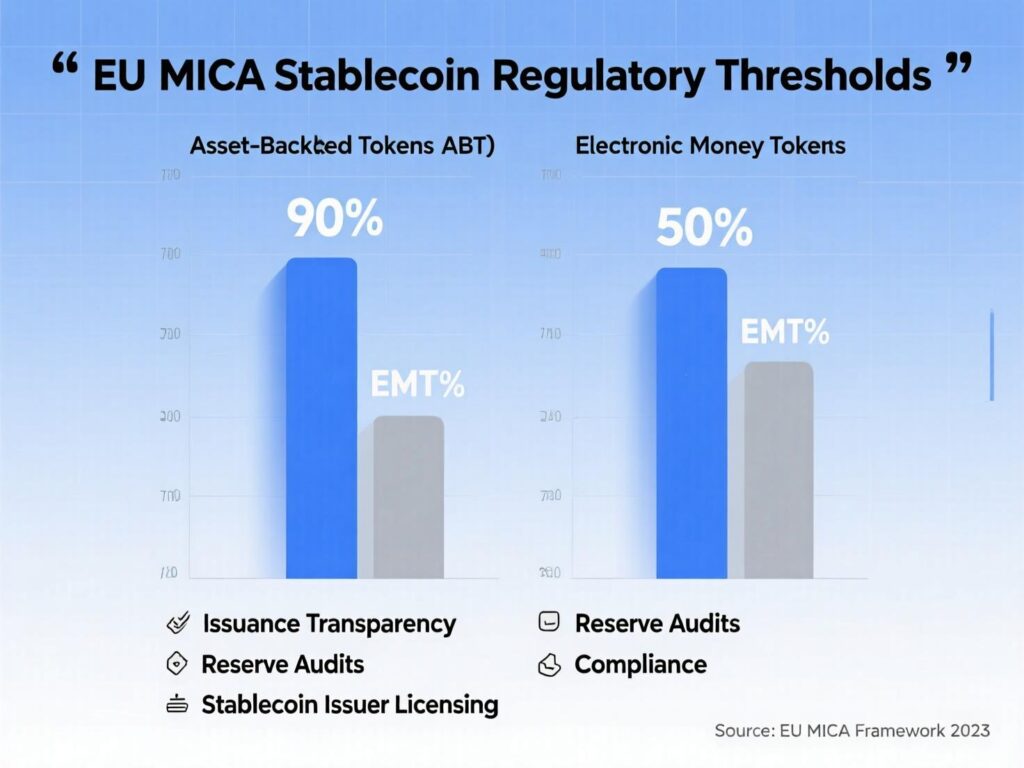
Regulators worldwide are responding to stablecoin growth. The EU’s Markets in Crypto-Assets (MiCA) framework requires authorization for issuers and sets triggers/caps: if an asset-referenced token or non-euro e-money token exceeds an average of 1 million transactions or €200 million in value per day within a currency area, issuers must curb usage until activity falls below thresholds, among other measures.
Maelstrom flags supply overhang for HYPE
In a separate development, Maelstrom the family office of BitMEX co-founder Arthur Hayes warned that Hyperliquid’s HYPE token enters a 24-month vesting phase on Nov. 29, distributing $11.9b worth of tokens and potentially leaving an estimated ~$410m monthly supply overhang after buybacks. Analysts expect heightened volatility through the unlock period. (Analysis)
<section id=”howto”> <h3>How to file an STR as a VASP in South Korea</h3> <ol> <li id=”step1″><strong>Step 1:</strong> Establish internal red-flag rules (unusual size/velocity, mixing services, sanctioned links).</li> <li id=”step2″><strong>Step 2:</strong> Verify customer identity and refresh enhanced due diligence for flagged accounts.</li> <li id=”step3″><strong>Step 3:</strong> Document grounds for suspicion (who/what/when/amounts/addresses) with supporting logs.</li> <li id=”step4″><strong>Step 4:</strong> Submit the STR to KoFIU via the prescribed reporting channel and format.</li> <li id=”step5″><strong>Step 5:</strong> Preserve records and monitor the account; consider freezing or restricting activity per policy/law.</li> </ol> <p><em>Note: Process may vary by institution and case type. Confirm current KoFIU requirements before acting.</em></p> </section>
Context & Analysis
The surge in STRs likely reflects both improved detection/reporting and rising crypto adoption, particularly stablecoin-denominated flows interacting with traditional FX rules. As the EU operationalizes MiCA, non-EU stablecoins used at scale may face functional limits in Europe—potentially nudging activity into regulated corridors or alternative rails. South Korea’s move toward 24/7 monitoring and specialized units suggests a continued enforcement-first posture.
Conclusion
South Korea has reported a record rise in suspicious crypto activity in 2025. Data from the Korea Financial Intelligence Unit (KoFIU) shows that between January and August, virtual asset service providers (VASPs) submitted 36,684 suspicious transaction reports (STRs). This number has already exceeded the combined totals of 2023 and 2024, signaling heightened concerns within the market.
The surge is linked to stricter oversight of crypto flows and alleged hwanchigi remittance schemes, where digital assets are misused to move funds abroad. Regulators stress that the trend highlights growing risks and the need for stronger compliance in the country’s crypto sector.
FAQs
Q : What triggered the surge in STRs?
A : Increased retail participation, better monitoring, and a rise in hwanchigi schemes drove more VASPs to file reports.
Q : What is an STR in South Korea?
A : A formal report filed when there are reasonable grounds to suspect money laundering, terrorist financing, or criminal proceeds.
Q : Which crypto assets are most implicated?
A : Authorities cite growing links to stablecoins used as cross-border payment rails.
Q : Did a specific case stand out in 2025?
A : Yes. Customs identified ₩57.1 bn (~$42m) in Tether (USDT) transfers between South Korea and Russia in May 2025.
Q : How does EU MiCA affect stablecoins?
A : Stablecoin activity breaching 1m transactions or €200m/day within a currency area triggers restrictions and oversight until activity is reduced.
Q : Does this mean crypto will be banned in South Korea?
A : No. The focus is on enforcement and compliance, not prohibition.
Q : Is the rise in STRs the same as proven crimes?
A : No. STRs are alerts, not determinations of guilt; they guide investigations.
Q : How does this relate to markets like HYPE?
A : Token-specific supply events (e.g., HYPE unlocks) can add volatility but are separate from AML reporting trends.