

Stocks Show Little Geopolitical Worry After $16 Trillion Rally
Equities surged to fresh records in 2025, with markets showing little concern over global tensions despite a historic \$16 trillion rally. The risk-on mood has become the defining story of the year, as investors continue to chase gains across major indexes. Optimism is being fueled by resilient corporate performance and the belief that stocks can weather simmering geopolitical risks.
Adding momentum, the Federal Reserve is widely expected to deliver a quarter-point rate cut this week. The move has strengthened confidence that easier monetary policy will help support earnings into year-end. While geopolitical pressures remain in the background, investors appear focused on growth and liquidity, suggesting that accommodative conditions will keep risk appetite strong in the months ahead.
Why ‘stocks show little geopolitical worry after $16 trillion rally’ matters
Investors are treating geopolitics as background risk unless it clearly hits macro or profits. The Fed’s 25 bps move to a 4.00%–4.25% funds range signaled a tilt toward growth support, helping keep volatility muted and indices near records. Gold’s march to fresh highs shows hedging demand, while oil’s slide eases inflation concerns.
“We’re very focused on geopolitical risks…but it’s the implication on consumers and currency…that impact company earnings.” Helen Jewell, BlackRock (EMEA CIO, Fundamental Equities). Bloomberg
Stocks show little geopolitical worry after $16 trillion rally
Equities
S&P 500, Nasdaq, and Dow recently notched record highs following the Fed cut. Small caps (Russell 2000) also posted a fresh record.Volatility
VIX has hovered around 2025 lows in recent weeks.Commodities
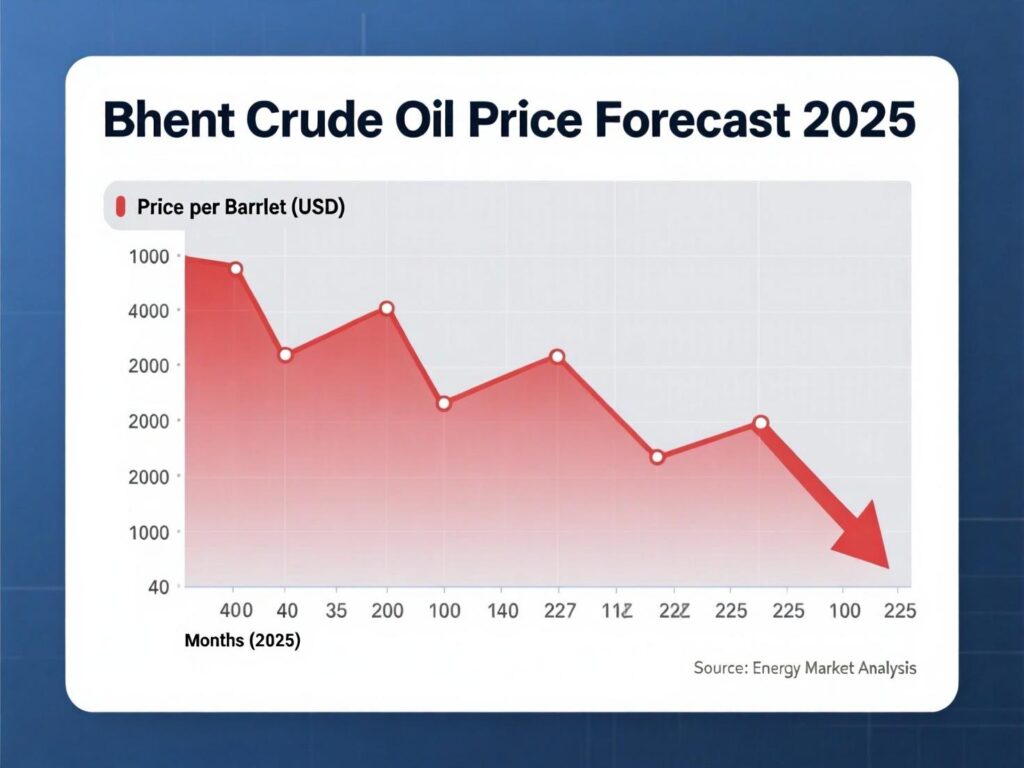
Spot gold hit a record near $3,685/oz this week; Brent closed around $66–$68.Crypto
Digital assets have generally firmed alongside the risk rally; Bitcoin set records in August and edged up after the cut, though moves were uneven across tokens.“Little has been priced into stocks on geopolitical risks.” Guillaume Jaisson, Goldman Sachs strategist.


Geopolitics in focus: What changed this week?
NATO airspace tension
Estonia reported a 12-minute incursion by Russian MiG-31s; NATO scrambled F-35s. Markets barely budged.Gaza ground operations:
Israel launched a major assault on Gaza City; humanitarian and political risks remain acute, but asset pricing impact has been limited so far.Japan politics
Prime Minister Shigeru Ishiba resigned, adding policy uncertainty; Japanese assets wobbled without broad contagion.France
PM François Bayrou’s government fell after a confidence vote, reinforcing Europe’s political fragility.“If turmoil does become a threat to economic activity, there is significant downside for equities because valuations are well above historical averages.” — Tim Murray, T. Rowe Price.
<section id=”howto”> <h3>How to manage portfolio risk during geopolitical flare-ups</h3> <ol> <li id=”step1″><strong>Step 1:</strong> Recheck exposure to energy, defense, and travel/leisure—sectors most sensitive to conflict or oil spikes.</li> <li id=”step2″><strong>Step 2:</strong> Stress-test earnings under higher oil and wider credit spreads; adjust position sizes accordingly.</li> <li id=”step3″><strong>Step 3:</strong> Add hedges selectively (e.g., index puts, gold allocation) rather than wholesale de-risking.</li> <li id=”step4″><strong>Step 4:</strong> Favor balance-sheet strength and pricing power in stock selection; trim names priced for perfection.</li> <li id=”step5″><strong>Step 5:</strong> Revisit cash and duration after central-bank moves; align with your risk budget and time horizon.</li> </ol> <p><em>Note: Process may vary by jurisdiction/provider. Confirm requirements before acting.</em></p> </section>
Context & Analysis
The 2025 pattern fits a long-running market habit: geopolitics rarely reprices risk unless it hits growth, inflation, or funding. April’s tariff shock was an exception, briefly driving a near-bear drawdown before policy signals steadied risk appetite. With policy rates now edging lower and earnings resilient, risk assets have a tailwind but rich multiples shrink the margin for error if oil spikes, sovereign yields jump, or trade frictions intensify again.
Conclusion
For now, markets are following a “watch, don’t panic” approach, keeping attention on interest rates, earnings, and consumer strength. This cautious optimism reflects confidence that supportive policy and steady spending can sustain momentum into the coming months.
However, this outlook could shift quickly if geopolitical tensions spill over into growth or trigger an energy shock. With valuations already stretched and expectations running high heading into Q4, any disruption could spark volatility. Investors remain alert to risks but are holding their positions as long as fundamentals appear resilient and central bank support stays in place.
FAQs
Q : Why are markets calm despite so many conflicts?
A : Because investors prioritize data that directly affects earnings and inflation; unless geopolitics changes those, pricing impact is muted.
Q : Did the Fed cut rates this week?
A : Yes. The FOMC lowered the funds rate by 25 bps to 4.00%–4.25% on Sept. 17.
Q : Are commodities signaling stress?
A : Gold hit a record; oil remains in the high-$60s for Brent—far from crisis levels.
Q : What could flip the narrative?
A : A jump in oil, sovereign-bond stress, or earnings downgrades could quickly tighten financial conditions and hit stocks.
Q : How did April’s tariff shock affect stocks?
A : Markets briefly plunged amid tariff headlines before recovering; it underscored policy risk sensitivity.
Q : Do investors really ignore geopolitics?
A : They monitor it but rarely reprice unless macro is threatened—hence limited sustained impact on indices.
Q : Does the rally feel overvalued?
A : Valuations are rich versus history, leaving limited room for disappointment if growth falters.