

PayPal’s $1.3B Stablecoin Expands to 9 New Blockchains With LayerZero Integration
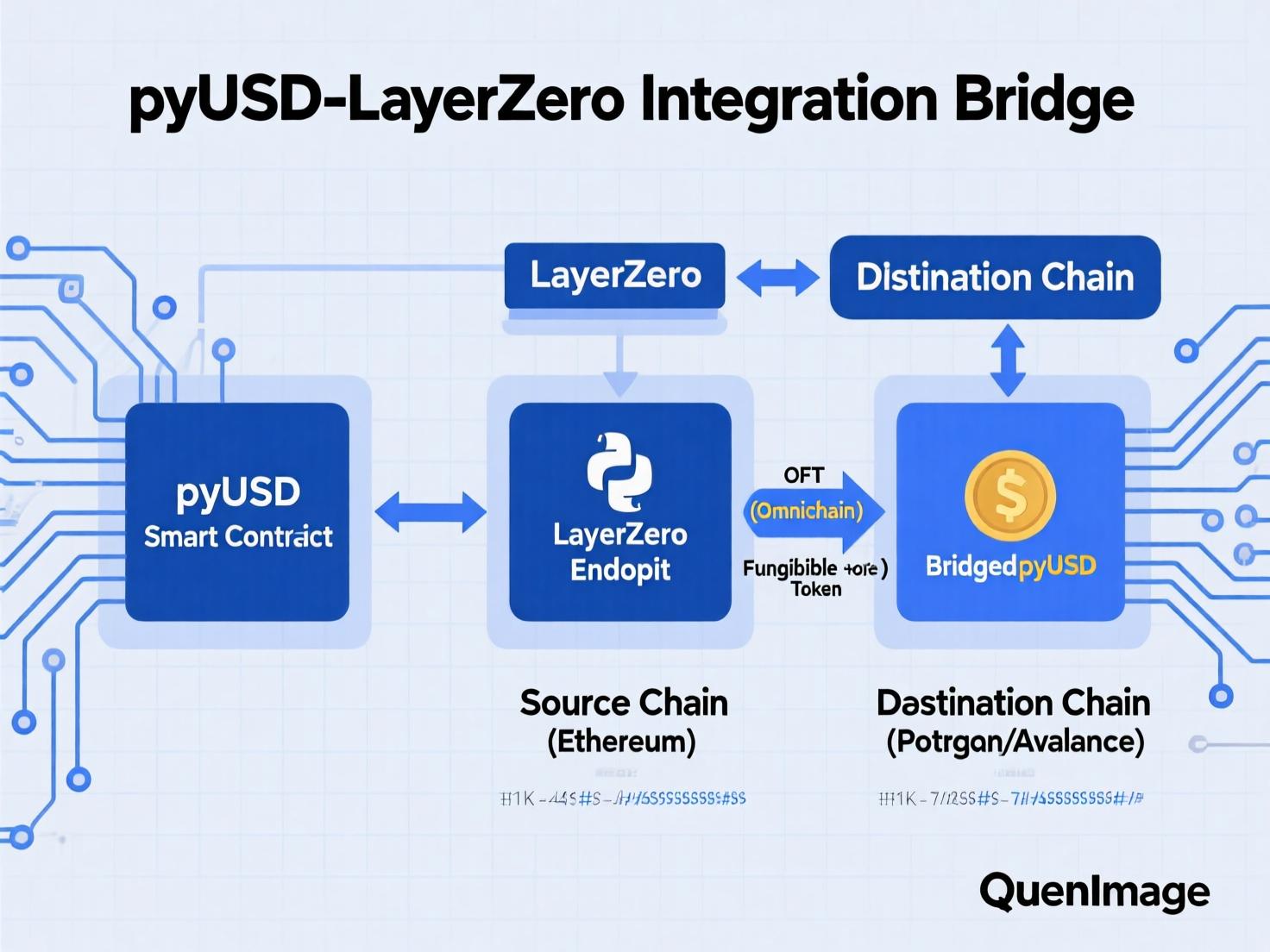
PayPal’s U.S. dollar stablecoin is expanding its reach with the LayerZero integration, introducing a permissionless version called PYUSD0. This upgrade brings PYUSD0 to nine additional networks through Stargate Hydra, giving users wider access and flexibility across multiple blockchains. By removing permissioned limitations, the integration enhances interoperability and adoption potential within the broader crypto ecosystem.
Despite being a wrapped version, PYUSD0 remains fully fungible with PYUSD, ensuring that value and stability are never compromised. Users can seamlessly transfer between supported chains while maintaining parity with the underlying stablecoin. This development positions PYUSD as a more versatile and widely usable digital dollar, paving the way for stronger participation in decentralized finance (DeFi) and broader Web3 applications.LayerZero
What the PYUSD LayerZero integration enables
LayerZero’s OFT-based extension deploys PYUSD0 to new chains while keeping it 1:1 with PYUSD. Users and developers can move dollar value across supported networks via Stargate Hydra, without relying on banking rails for settlement. LayerZero states this expands PYUSD beyond its native chains to a wider distribution network.
Networks covered by the PYUSD LayerZero integration
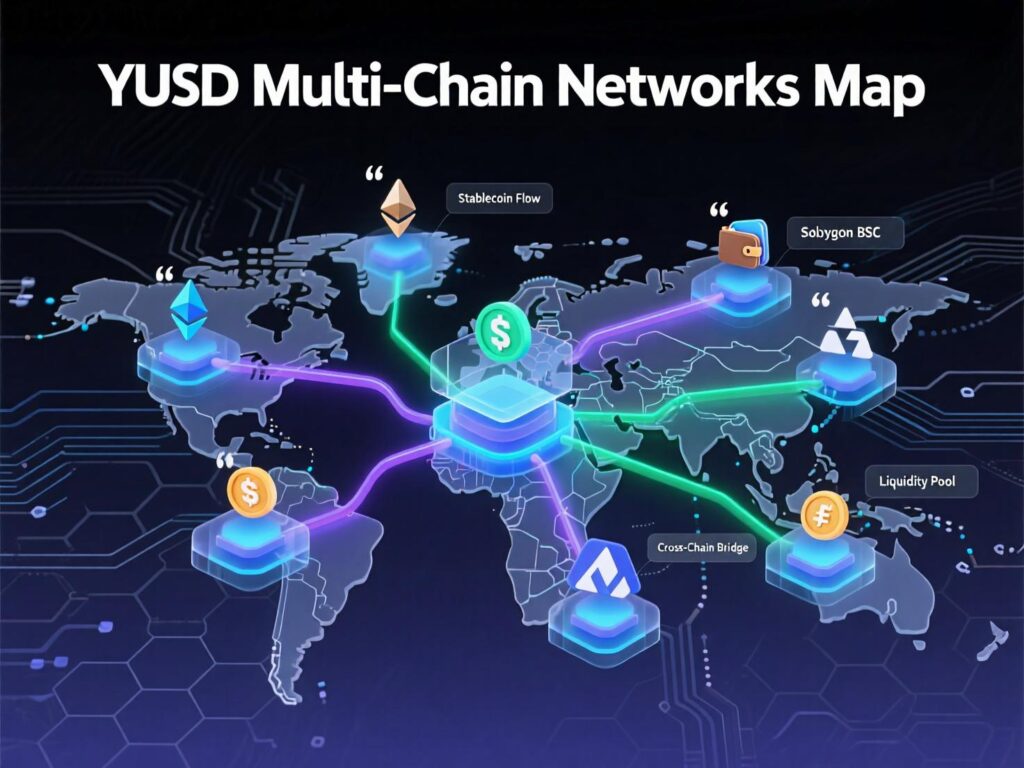
PYUSD0 is available on Abstract, Aptos, Avalanche, Ink, Sei, Stable and Tron. Existing permissionless versions on Berachain (BYUSD) and Flow (USDF) will automatically convert to PYUSD0 no user action required bringing the total to nine.
Where PYUSD is natively issued today
Prior to this expansion, PYUSD was natively deployed on Ethereum, Solana, Arbitrum and Stellar. Stellar availability was announced this week, rounding out the current native set before LayerZero’s distribution move.
Supply and market context
On-chain analytics platform RWA.xyz reports ~$1.32B PYUSD in circulation, reflecting significant growth since early 2025. The expansion aims to meet demand for a dollar-pegged stablecoin across more applications and geographies.
<section id=”howto”> <h3>How to move PYUSD across supported chains with Stargate Hydra</h3> <ol> <li id=”step1″><strong>Step 1:</strong> Connect a self-custody wallet that supports your source network (e.g., Ethereum, Solana, Arbitrum).</li> <li id=”step2″><strong>Step 2:</strong> Navigate to the official Stargate interface that supports PYUSD0 on your source chain.</li> <li id=”step3″><strong>Step 3:</strong> Select destination network (e.g., Aptos, Avalanche, Tron) and choose PYUSD/PYUSD0.</li> <li id=”step4″><strong>Step 4:</strong> Enter the amount, review fees and estimates, then confirm the transaction.</li> <li id=”step5″><strong>Step 5:</strong> Wait for finality, then verify your PYUSD/PYUSD0 balance on the destination chain in your wallet.</li> </ol> <p><em>Note: Interfaces, fees and supported chains can vary. Use official links and verify contract addresses before transacting.</em></p> </section>
Statements from stakeholders
“Innovations like this are essential for creating the seamless, interoperable financial infrastructure that users and developers demand,” said David Weber, Head of Ecosystem, PayPal USD, on the integration.
“Stablecoins are the killer app within the crypto ecosystem,” added Bryan Pellegrino, CEO of LayerZero Labs, framing cross-chain distribution as a step toward borderless finance.
Context & Analysis
Analysis: Interoperability reduces fragmentation risk for stablecoins by making liquidity portable. By formalizing PYUSD0 as a permissionless, fungible extension, PayPal and LayerZero are betting that standardized cross-chain UX can accelerate adoption—especially on networks where fiat on-ramps are scarce. Native issuance on major chains (Ethereum/Solana/Arbitrum/Stellar) paired with permissionless distribution elsewhere could balance compliance with reach, though bridge and endpoint security remain ongoing considerations.
Conclusion
LayerZero’s Hydra rollout is expanding PayPal’s PYUSD stablecoin, making it more useful across apps and regions while maintaining a single, fungible dollar unit. This ensures smooth transfers across multiple blockchains without losing parity, giving users a stable and consistent digital dollar experience. With broader accessibility, PYUSD is positioned to play a stronger role in the cross-chain ecosystem.
The focus now shifts to the next milestones. Wallet integrations will make PYUSD easier to use, while improved on/off-ramp coverage across new chains will boost adoption. Strengthening liquidity depth in DeFi venues will be key to enabling seamless trading and lending.
FAQs
Q : What is PYUSD0?
A : PYUSD0 is a permissionless, LayerZero-enabled version of PYUSD that is 1:1 interchangeable with PYUSD.
Q : Which networks are included in this expansion?
A : Abstract, Aptos, Avalanche, Ink, Sei, Stable and Tron; Berachain and Flow community tokens auto-upgrade to PYUSD0.
Q : Is PYUSD still natively issued on major chains?
A : Yes. PYUSD remains natively issued on Ethereum, Solana, Arbitrum and Stellar.
Q : Does the PYUSD LayerZero integration affect redemption or peg stability?
A : No. PYUSD/PYUSD0 maintain a 1:1 USD peg with backing held in cash and equivalents via Paxos; LayerZero only extends distribution.
Q : How does this change user experience?
A : Users can move dollar value to more chains using Stargate, accessing apps and markets that previously lacked PYUSD liquidity.
Q: What is the current PYUSD supply?
A : Approximately $1.32B as of today, per RWA.xyz.
Q : Is there risk in using bridges like Stargate Hydra?
A : Yes. Smart contract and network risks remain; users should verify official interfaces and consider custody best practices.