The Future of Web3 Social Platforms
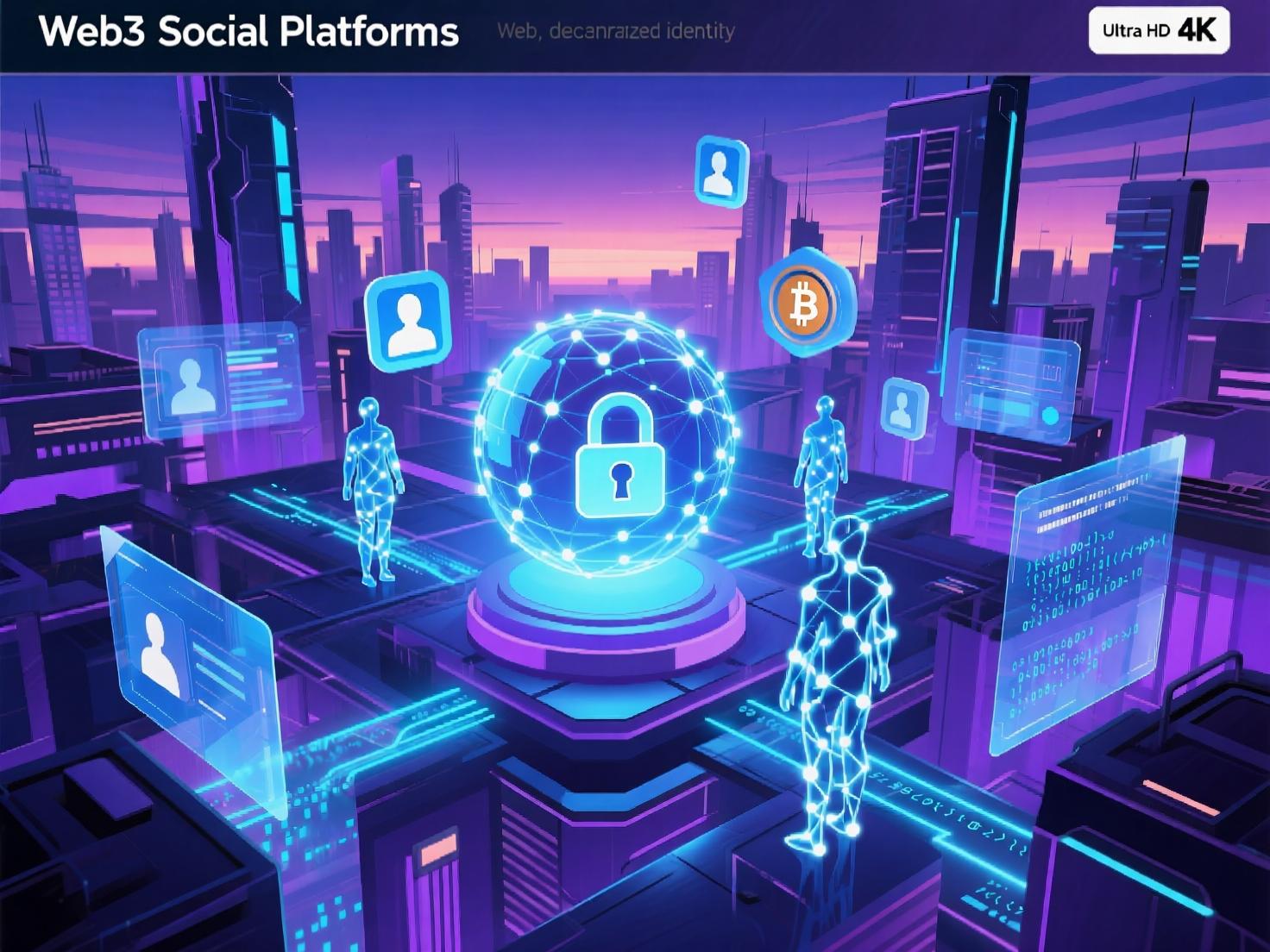
Web3 social platforms are moving from hype to product-market fit experiments. In 2024–2025, we saw breakthroughs in mini-apps/frames, federation, and embedded wallets that make on-chain actions feel almost like Web2. Farcaster’s Frames (mini-apps inside posts) catalyzed a spike in engagement in early 2024 and continue to evolve; Bluesky’s AT Protocol opened federation so anyone can run a server; and social-centric L2s like Cyber launched to scale on-chain social graphs and actions. Coinspeaker+2Bluesky+2
In this guide, we map where Web3 social platforms are headed next covering product patterns, growth channels, monetization models, and the stack (identity, wallets, protocols). You’ll also find real examples (Farcaster, Lens, DSCVR, Friend.tech), plus concrete playbooks to ship and grow.
TL;DR: Expect the winners to (1) compress time-to-value with embedded wallets, (2) keep experiences in-feed via mini-apps, and (3) align incentives through portable identities & assets rather than isolated networks.
Where We Are Now: Signals That Matter
Frames/Mini-apps as a UX bridge.
Farcaster introduced Frames in January 2024: interactive cards that let users mint, tip, claim, or transact without leaving the feed. Teams are preparing Frames v2/expanded specs to strengthen the platform’s mini-app ecosystem.Federation goes mainstream. Bluesky opened federation in Feb 2024—anyone can host data and run their own server, signaling a durable move toward protocol-level social.
Dedicated social scaling.
Cyber (ex-CyberConnect) launched a social L2 in May 2024, optimized for social graphs and on-chain actions at consumer scale.Lens V2 + Open Actions.
Lens’ Open Actions allow smart-contract interactions directly from posts (e.g., minting) across apps built on Lens. In Feb 2024, Lens also moved into a more permissionless phase, widening the dev surface.Beyond blockchains:
The protocol layer. Nostr and AT Protocol show how decentralized social can work without a chain, focusing on keys, relays, and federation. Expect increased interoperability between chain-based and protocol-only stacks.
Why UX Is Finally (Almost) Good Enough
Account Abstraction (ERC-4337) and embedded wallets reduce sign-up friction, enable gas sponsorship, and support passkeys or social logins—critical for non-crypto-native audiences. Apps can now onboard users without seed phrases and still preserve non-custodial control, which unlocks social flows like tips, subscriptions, and mints in a single tap.
What this means for builders:
Default to embedded or smart wallets with passkey/OAuth sign-ins to compress the first-action time.
Use paymasters to sponsor gas for the first N actions (tip, mint, follow).
Batch on-chain calls in background; never force users to context-switch to another app.

In-Feed Mini-Apps
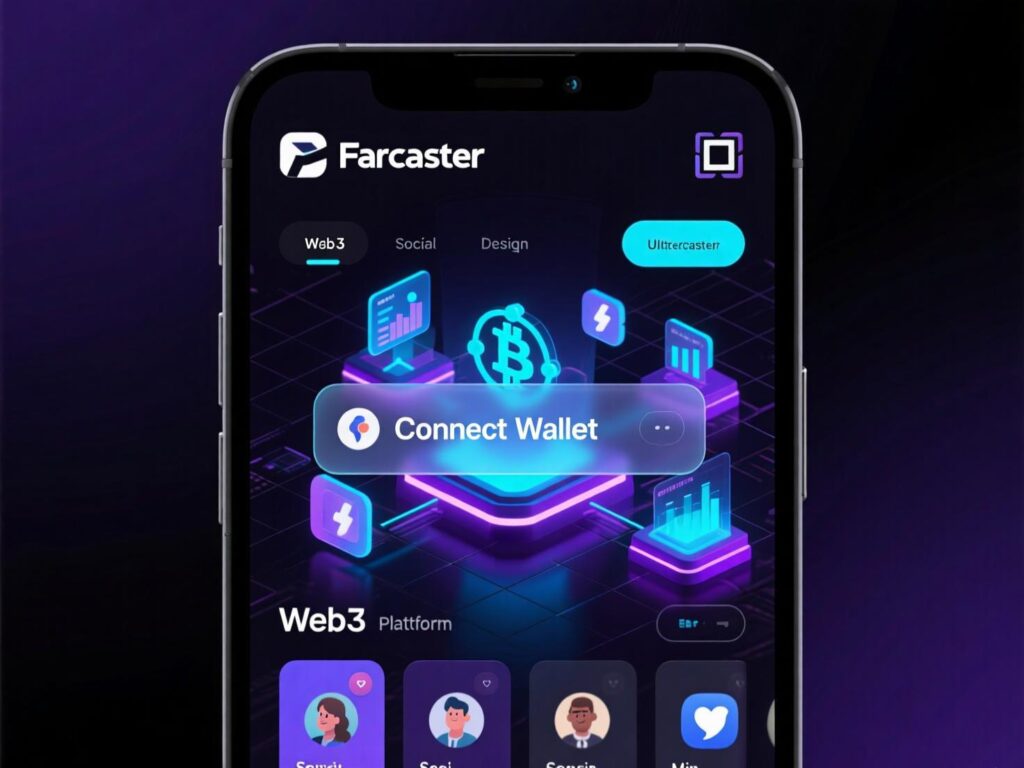
The shift from “link out” to “act in-feed” is sticky: mint an NFT, tip a creator, claim a token, or answer a survey inside the post. Farcaster’s Frames accelerated this pattern; DSCVR’s Canvas shipped a similar embedded-app framework; teams that keep users in-flow are seeing better retention and monetization.
How to build it well:
Design atomic actions: tip, vote, claim, mint, join.
Make mini-apps stateless by default; hydrate with user session behind the scenes.
Guardrails: rate limits, safe defaults on approvals, and post-action receipts.
Case snapshot:
Farcaster Frames → Spikes in participation around mints/drops, and continued evolution toward richer “mini-apps” in 2025.
DSCVR Canvas → Lets devs turn any web app into an embedded social experience, driving 1M+ monthly unique visitors by late 2024 (company figures).
Federation & Portability
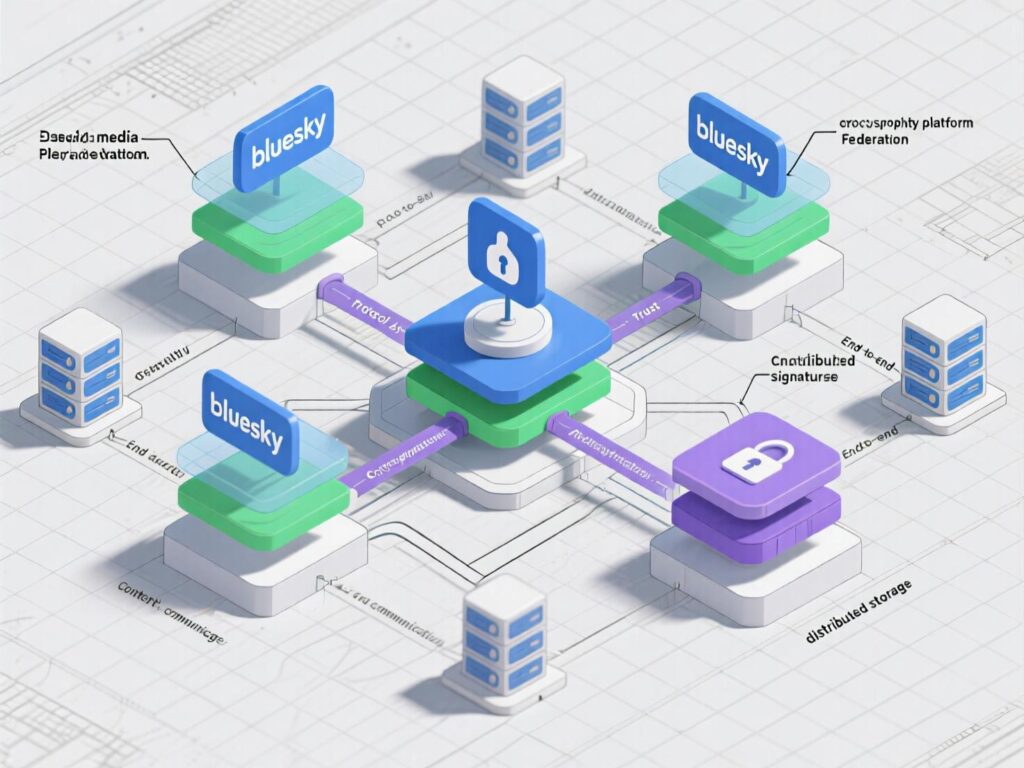
The “platform vs. protocol” debate is resolving into protocol-first experiences with multiple front-ends. Bluesky’s AT Protocol is now federated; communities can host their own data and move between clients. Expect Web3 social platforms to coexist with AT-style networks, share identity primitives (DIDs/SIWE), and interop via bridges and mirrors.
Builder tips:
Support DIDs and SIWE so profiles remain portable.
Publish a graph export and import path (CSV/JSON + DID docs).
Consider hybrid deployments (protocol + chain) where economic actions are on-chain, while posts/feeds use decentralized protocols.
Social L2s & Cheap, Abundant Writes
Content and graph writes are high-volume and low-value per action; they need cheap, fast lanes. The rise of social L2s (e.g., Cyber) and off-chain data layers with verifiable bridges allows feeds to remain snappy while keeping economic actions on-chain. The winning stacks will minimize on-chain footprints for chatter, and reserve blockspace for ownership & money flows.
From Creator Tips to On-Chain Clubs
What’s working (and likely to stick):
In-post commerce:
mints, pay-to-unlock, shoppable collectibles. (Lens Open Actions)Tipping & patronage with sponsored gas for first-time tippers.
Clubs/communities with token-gated utilities (Friend.tech’s “Clubs” direction, despite mixed reception, validated demand for group-based utility).
Programmatic quests (claimables, streaks) embedded via mini-apps.
Less durable (as primary model):
Pure speculation on “social tokens” without clear utility.
One-off airdrops without retained creators or users.


SEO/AEO for Generative Engines + Protocol Distribution
Search & AEO:
Generative engines (including AI answers) reward structured content and clear entities. Publish canonical docs for your protocol, Mini-app/Frame SDKs, and FAQPage schema. Use Article schema with author/date; add HowTo for builders. (See schema examples below.)
Protocol distribution:
Build for channels, not just “global feeds.” Create topic hubs and embedded actions that convert lurkers into participants in two taps. For Farcaster, experiment with Frames + channel-specific drops; for Lens, ship Open Actions tuned to the creator vertical (music, gaming, art).
Tech Stack: Identity, Wallets, Data
Identity:
DIDs and SIWE provide portable login and profile binding across apps.Wallets:
ERC-4337 + embedded wallets (passkeys) enable one-click social actions and safe recovery.Data:
Favor protocol feeds (AT, Nostr) or hub-style services with export tools; keep economic state on EVM/SVM/L2s.
Real-World Examples (Brief)
Farcaster + Frames (2024 →)
The mini-app model proved people will transact in-feed mints, votes, claims if friction is low. Teams are formalizing v2 specs and richer capabilities through 2025.
Friend.tech v2 (May 2024)
Rolled out clubs and a token; launch turbulence showed that UX clarity and expectation-setting are essential when mixing social and token incentives.
DSCVR Canvas (Jul 2024)
Embedded app framework to turn any web app into a social unit; company reports growth to ~1M monthly uniques shortly after launch.
Lens Open Actions
Composable smart-contract actions inside posts practical rails for in-context commerce and engagement.
The Next 24 Months: What to Expect
Convergence of stacks.
Web3 social platforms will borrow from the fediverse (portability, federation) while keeping on-chain economic primitives for value transfer and provenance.Wallet-native growth.
Social accounts become wallet-backed by default passkeys, session keys, and gas sponsorship standardize.AI-assisted feeds with provenance.
Expect AI ranking and summarization with on-chain proof for origin and rights.Regulation & reputation layers.
Compliant on-ramps + verifiable reputation (attestations) emerge to curb spam and scams without re-centralizing.
Action Playbook (For Founders/PMs)
Onboarding:
Embedded wallet + passkey login; sponsor first 3 actions.
Activation:
Ship a mini-app that delivers an immediate outcome (claim, tip, mint). Measure TTFW (time-to-first-win).
Retention:
Weekly rituals in channels/clubs (quests, drops) + creator revenue share.
Monetization:
In-feed commerce via Open Actions/Frames; gated clubs for power users.
Portability:
Adopt DIDs/SIWE; document export/import paths; mirror key content to federated protocols.

Conclusion
Web3 social platforms are entering their execution era. The stack DIDs, embedded wallets, mini-apps, and social L2s has matured enough to compete on UX, not just ideology. Winners will compress time-to-value, keep actions in-feed, and align incentives via portable identities and assetsnmwhile borrowing the best of federation. If you’re building, now is the time to ship wallet-native, protocol-friendly social experiences that let communities own not just their audience but their outcomes.
CTA: Want a GEO/SEO content & product plan for your Web3 social app? Book a strategy sprint to map titles, schema, and in-feed conversion flows for your next launch.
FAQs
Q : How do Web3 social platforms differ from traditional networks?
A : Web3 social platforms use wallets, Decentralized Identifiers (DIDs, W3C standard), and often blockchains to give users ownership of identity, social graph, and media. They enable in-feed actions such as mints and tips, plus federation and portability not available in closed Web2 silos. Examples include AT Protocol federation and Lens Open Actions. Schema expander: Mention DIDs (W3C) and Sign-In with Ethereum (SIWE) as common identity rails.
Q : How can creators make money on Web3 social platforms?
A : Creators earn through in-post commerce like mints and pay-to-unlock, tips with gas sponsorship, gated communities, and revenue sharing models. Lens Open Actions and Frames-style mini-apps power these flows. Examples include limited NFT drops and exclusive channel memberships. Schema expander: Include examples like limited NFT drops or channel memberships.
Q : How does federation affect growth?
A : Federation allows communities to host their own servers and data, giving them freedom to migrate between clients. This reduces platform risk and builds trust, though it adds operational overhead. Bluesky’s AT Protocol enabled federation in 2024. Schema expander: Link to your instance docs and data export guides.
Q : How does account abstraction improve UX?
A : ERC-4337 enables passkeys, gasless actions, transaction batching, and recovery flows essential for mainstream users. Embedded wallets make this seamless. Paymasters and session keys further simplify the process. Schema expander: Reference paymasters and session keys.
Q : How can brands use Web3 social platforms safely?
A : Brands can start with gated communities, claimable rewards, and mini-app activations. Safe practices include requiring wallet sign-in, limiting approvals, and sponsoring first actions to reduce friction. Schema expander: Add a brand safe-list and event-based drops.
Q : How do Web3 social platforms handle moderation?
A : Protocols like AT support community-driven moderation with portable blocks and feeds. Chain-based apps combine on-chain identity with client-side rules and allowlists. Schema expander: State your moderation policies and escalation paths.
Q : How to measure success on Web3 social platforms?
A : Track metrics like Time to First Write (TTFW), action rate per session (mints/tips), channel retention, and Creator RPM (revenue per thousand impressions/actions). Schema expander: Include dashboards and Dune/Neynar endpoints.
Q : How can developers add in-feed mini-apps?
A : On Farcaster, developers can build Frames; on DSCVR, they can use Canvas. Keep mini-app actions atomic, safe, and instantly rewarding. Schema expander: Provide your SDK and sandbox links.
Q : How do decentralized protocols like Nostr fit in?
A : Nostr uses public/private keys with relays (no blockchain) to provide censorship-resistant messaging and social interactions. It can interoperate with wallet identities to enable value flows. Schema expander: Map your identity bridge strategy.