World Liberty Financial Token Holds Steady as Community Backs Buyback-and-Burn Plan
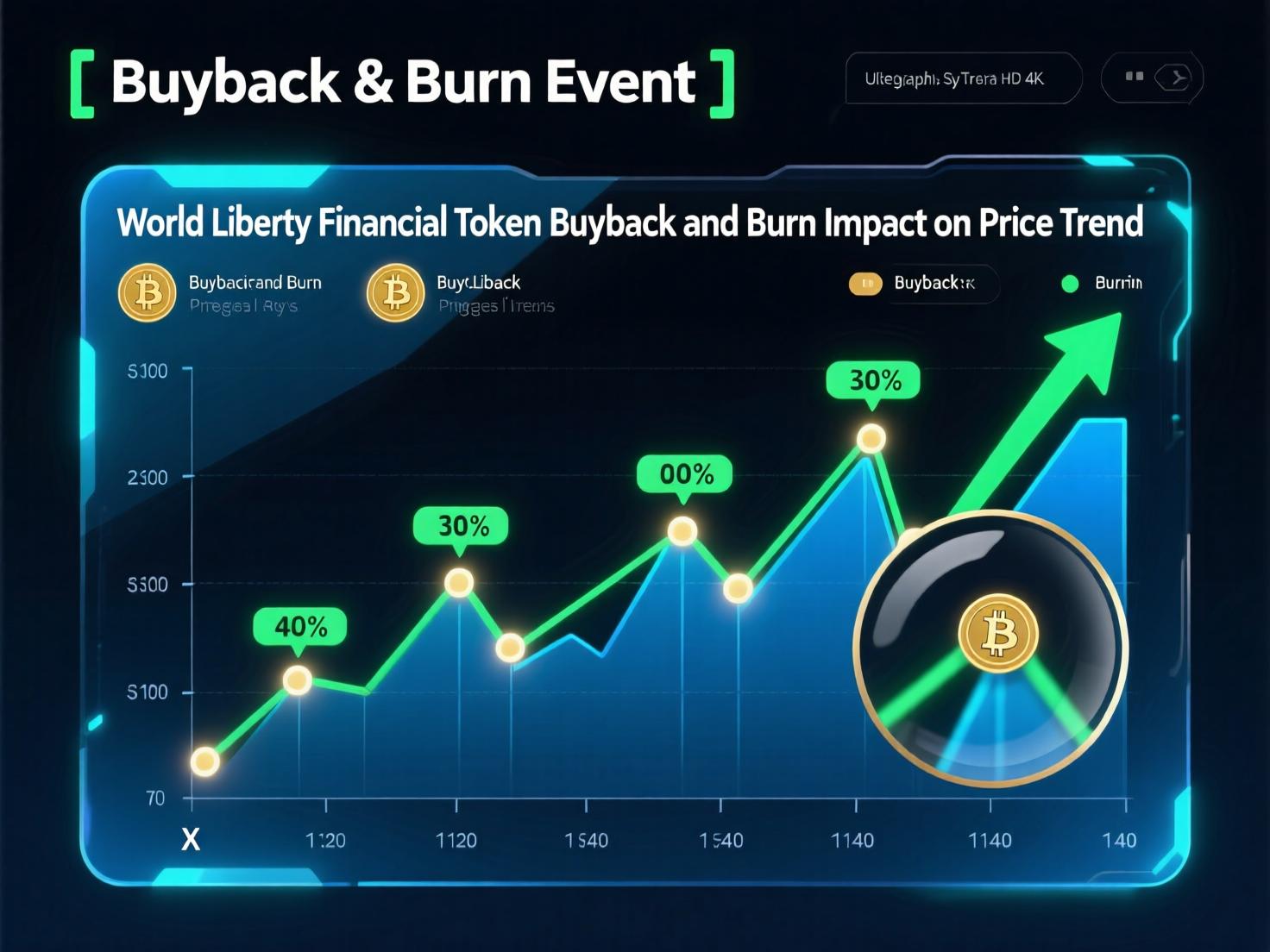
WLFI saw a steady climb this week as community confidence grew around a new deflationary proposal. The plan redirects liquidity fees toward token buybacks and permanent burns, reducing circulating supply over time. This shift aims to create a sustainable model that rewards long-term holders while easing early concerns that followed the project’s launch.
Backed by an overwhelming “yes” vote from the community, the move has sparked renewed momentum. WLFI’s price has held firm near the $0.20 level, signaling stability and investor support. With market sentiment turning positive, the narrative is now evolving from short-term volatility to a stronger focus on scarcity and value preservation, positioning WLFI as a project with long-term growth potential.
By the numbers
Price: ~$0.20, +0.2% (24h), +7.8% (7d)
Market cap: ~$5.4B
Volume (24h): ~$480M
Since launch: down ~35%
Vote: 99.48% in favor; >1.3B votes cast; turnout at 135% of required quorum; vote ends September 19
Why the community moved
The approved World Liberty Financial token buyback and burn is designed to convert protocol-owned liquidity fees directly into open-market purchases of WLFI that are then sent to a burn address. Backers say the shift aligns token utility with value accrual, allowing trading activity to directly influence supply reduction. For a project that saw heavy volatility after launch, a mechanical path to scarcity is the thesis many holders wanted.
How it works across chains
Under the plan, 100% of protocol-owned liquidity fees generated on Ethereum, BNB Smart Chain, and Solana will be aggregated and used to buy WLFI on the open market before being permanently burned. By committing all such fees to the World Liberty Financial token buyback and burn, the protocol anchors its deflationary push in on-chain activity rather than discretionary treasury decisions.
What supporters are watching
Fee throughput:
Higher DEX activity could amplify burn velocity.Market depth:
Executing buys with minimal slippage will matter as volumes spike.Transparency:
Clear reporting of fees accrued, WLFI purchased, and tokens burned will determine credibility.
A vote with near-total consensus
More than 99.48% of participating votes backed the measure, a landslide that sets the tone for governance going forward. The formal voting window closes on September 19, but the result is effectively locked in. Proponents argue that tying burns to usage is simple, predictable, and aligns with a proven deflationary narrative popularized by Ethereum’s fee-burn design though WLFI’s mechanism is purpose-built for its own liquidity economics.
Market context and what’s next
WLFI remains a Trump-affiliated token and has been scrutinized since debut. The token is still down roughly 35% since launch, but weekly gains alongside the governance outcome suggest sentiment is stabilizing. If volumes persist, the World Liberty Financial token buyback and burn could incrementally reduce circulating supply and keep attention on on-chain fundamentals rather than headline risk.
In the near term, traders will watch:
Burn cadence:
How often purchases/burns are executed.Net supply trajectory:
Whether burns outpace emissions/unlocks.Cross-chain execution:
Smooth coordination across Ethereum, BNB Smart Chain, and Solana.

Bottom line
The World Liberty Financial token is preparing to implement its buyback and burn proposal, aiming to reshape its post-launch volatility into a long-term scarcity story. By reducing circulating supply through consistent burns, WLFI hopes to build stronger market confidence and reward committed holders over time.
If trading activity continues to rise and the burn mechanism operates effectively, the strategy could deliver the stability investors have been seeking. Transparent reporting will remain a key factor, ensuring the community sees clear results from the initiative and reinforcing trust in WLFI’s evolving growth model.